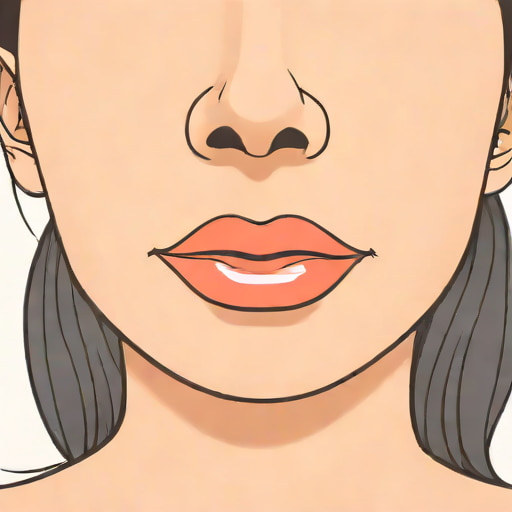
A cleft chin, often referred to as a dimpled chin, is a natural facial feature that occurs when there is a visible indentation in the center of the chin. While many people consider it a distinctive and attractive trait, some individuals may wish to reduce or eliminate the appearance of a cleft chin for aesthetic reasons. Fortunately, there are several methods to address this concern, ranging from non-invasive cosmetic procedures to surgical options. Understanding how a cleft chin forms and the techniques available for altering its appearance is essential for making informed decisions about treatment. This guide explores effective ways to get rid of a cleft chin, including professional interventions, exercises, and temporary cosmetic solutions.
Understanding the Cleft Chin
A cleft chin is caused by the underlying structure of the jaw and the attachment of the mentalis muscle, which can create a pronounced dimple in the center of the chin. Genetics play a major role in whether a cleft chin is present, meaning it is often inherited from family members. The depth and visibility of the cleft can vary widely, with some people having a subtle indentation and others a more prominent dimple.
Why Some People Choose to Alter Their Cleft Chin
- Personal aesthetic preference or self-consciousness
- Desire for a smoother chin contour
- Improving facial symmetry
- Professional or social appearance concerns
- Enhancing makeup application or contouring effects
Non-Surgical Options
For those seeking less invasive solutions, there are several non-surgical approaches to reduce the appearance of a cleft chin. These methods can offer temporary improvements or subtle changes without the need for surgery.
Dermal Fillers
Dermal fillers are injectable substances, often made of hyaluronic acid, that can be used to smooth out the indentation in the chin. Fillers add volume to the cleft area, creating a more even chin surface. The procedure is minimally invasive, typically performed in a dermatologist’s or cosmetic surgeon’s office, and results can last from several months to over a year, depending on the type of filler used.
Botox Injections
Botox can be used to relax the mentalis muscle, which contributes to the cleft appearance. By reducing muscle activity, the dimple can appear less prominent, providing a smoother look. This treatment is temporary, usually lasting three to six months, and may require repeated sessions for consistent results.
Makeup Techniques
While not a permanent solution, makeup can effectively reduce the visual impact of a cleft chin. Contouring the area with foundation, concealer, and shading techniques can create the illusion of a smoother chin. This method is non-invasive, affordable, and provides flexibility to experiment with different looks.
Exercises for the Chin
Certain facial exercises may help strengthen and tone the chin muscles, potentially minimizing the prominence of a cleft over time. Although results are generally subtle and gradual, exercises can contribute to overall facial firmness and improved contour.
Chin Press Exercise
- Press your tongue against the roof of your mouth while keeping your lips closed
- Tighten the muscles under your chin and hold for five to ten seconds
- Repeat 10-15 times daily to help tone the area
Jaw Stretch Exercise
- Open your mouth as wide as possible without discomfort
- Hold for five seconds, then relax
- Repeat 10-15 times to strengthen the chin and jaw muscles
Surgical Options
For more permanent results, surgical procedures are available to reshape or remove a cleft chin. These methods involve professional evaluation and should be performed by a licensed plastic surgeon or cosmetic specialist.
Chin Implant Surgery
Chin implants can be used to fill the dimple and create a more uniform chin shape. This procedure involves placing a biocompatible implant over the cleft to smooth the contour. Recovery typically takes several weeks, and results are long-lasting, offering a permanent solution for those seeking significant change.
Fat Grafting
Fat grafting, or fat transfer, involves taking fat from another part of the body and injecting it into the cleft area. This technique adds volume and can reduce the depth of the dimple. It is minimally invasive compared to traditional surgery, but multiple sessions may be necessary to achieve the desired effect.
Direct Surgical Correction
In some cases, surgeons may recommend a direct approach, which involves adjusting the underlying muscle and tissue to flatten the cleft. This procedure requires careful planning and expertise, as the goal is to create a natural-looking result without compromising facial function.
Considerations Before Choosing a Method
Before deciding how to address a cleft chin, it is important to consider several factors, including personal goals, budget, risk tolerance, and desired longevity of results.
Consultation with Professionals
Seeking advice from a dermatologist, cosmetic surgeon, or aesthetic specialist ensures that the chosen method is safe and suitable for your anatomy and needs. Professionals can provide guidance on expected outcomes, recovery time, and potential risks.
Assessing Risks and Side Effects
All procedures, whether surgical or non-surgical, carry some risks. Fillers may cause temporary swelling or bruising, while surgical options involve longer recovery and potential complications. Understanding these risks helps make an informed decision and manage expectations.
Budget Considerations
Non-surgical options like Botox or dermal fillers typically require ongoing maintenance, while surgery provides a more permanent solution but involves a higher upfront cost. Evaluating your budget against desired results helps determine the best approach.
Getting rid of a cleft chin can be achieved through multiple approaches, depending on individual preferences and goals. Non-surgical options such as dermal fillers, Botox injections, and makeup offer temporary or subtle improvements, while exercises may contribute to muscle toning and facial firmness. For more permanent results, surgical interventions including chin implants, fat grafting, or direct surgical correction are available. Consulting with professionals, understanding potential risks, and considering cost and maintenance are essential steps in selecting the best method. By carefully evaluating these factors, individuals can effectively reduce or eliminate the appearance of a cleft chin and achieve a more balanced, smooth facial contour that enhances confidence and overall appearance.