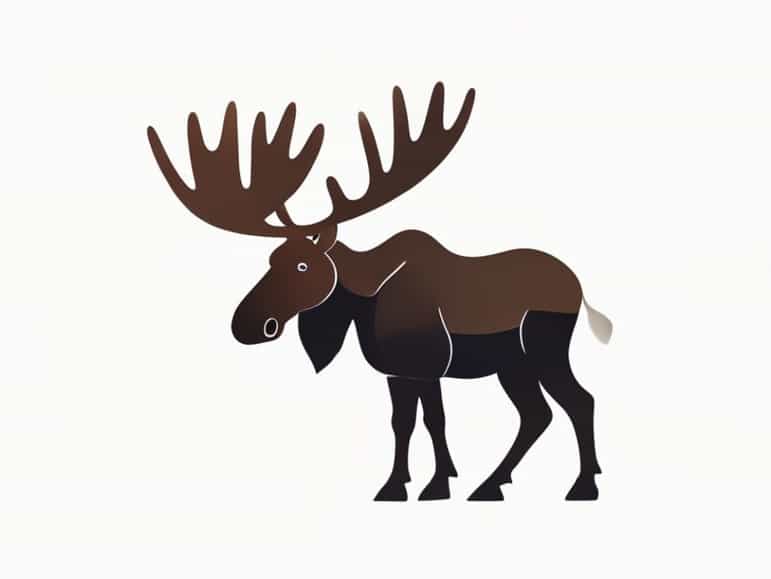
Moose are among the largest members of the deer family and are renowned for their impressive size, long legs, and broad antlers. Native to North America and northern Eurasia, these magnificent animals inhabit forests, wetlands, and tundra regions. Many people are curious about how much a moose weighs because their sheer size can be difficult to imagine. Understanding the average weight of moose, the differences between males and females, and the factors that influence their mass provides insight into the biology, ecology, and behavior of these majestic creatures.
Average Weight of Moose
The weight of a moose can vary greatly depending on age, sex, habitat, and subspecies. Adult male moose, also known as bulls, are typically larger than females, known as cows. On average, adult male moose weigh between 800 and 1,500 pounds (360 to 680 kilograms). In exceptional cases, large bulls can weigh over 1,600 pounds (725 kilograms), particularly in regions with abundant food and optimal living conditions. Female moose are generally smaller, with average weights ranging from 600 to 800 pounds (270 to 360 kilograms).
Weight Differences Between Subspecies
Moose are classified into several subspecies, and their weight can vary accordingly. The Alaskan moose, for example, is one of the largest subspecies, with bulls often exceeding 1,500 pounds (680 kilograms) and standing over 6.5 feet (2 meters) at the shoulder. Eastern moose, found in regions like Maine and New Brunswick, are somewhat smaller, with adult males averaging 1,000 to 1,200 pounds (450 to 545 kilograms). European moose, also known as Eurasian elk, have similar sizes but are generally slightly lighter than their North American counterparts.
Factors That Influence Moose Weight
Several factors contribute to the variation in moose weight, including age, diet, health, and environmental conditions.
Age and Maturity
Young moose, or calves, are significantly lighter than adults. At birth, moose calves typically weigh between 25 and 35 pounds (11 to 16 kilograms). They gain weight rapidly in their first year, reaching approximately 300 to 400 pounds (135 to 180 kilograms) by the time they are one year old. Full adult weight is usually reached around the age of four to five years, depending on subspecies and food availability.
Diet and Nutrition
Moose are herbivores that primarily feed on leaves, twigs, bark, aquatic vegetation, and shrubs. Access to abundant, high-quality food sources directly affects their weight and overall health. In regions with plentiful vegetation, moose are able to build larger fat reserves and maintain higher body weight, which is essential for surviving harsh winters. Conversely, moose in areas with limited food supply may weigh less and be more vulnerable to disease or predation.
Seasonal Weight Changes
Moose weight can fluctuate seasonally. During the summer and fall, moose gain significant weight as they consume large amounts of vegetation to build fat reserves for the winter. Bulls, in particular, put on extra weight in preparation for the rutting season, when they engage in mating competitions that require strength and endurance. In winter, moose may lose 10% to 20% of their body weight due to limited food availability and increased energy expenditure in cold conditions.
Weight of Moose Antlers
While not part of overall body weight, moose antlers are significant contributors to their size and appearance. Male moose grow large, palmate antlers that can weigh between 40 and 60 pounds (18 to 27 kilograms). In some cases, exceptionally large bulls can have antlers exceeding 80 pounds (36 kilograms). Antler growth requires substantial energy and nutrients, which can influence overall body weight and health, especially during the summer growing season.
Comparison Between Males and Females
One of the most noticeable differences between male and female moose is size and weight. Bulls are larger, heavier, and more robust than cows, largely due to muscle mass and antler development. Females lack antlers and are generally lighter, reflecting different biological roles, such as reproduction and calf-rearing. Weight differences are also apparent in skeletal structure, with males having broader shoulders and more muscular necks.
Moose Weight in Relation to Other Deer Species
Moose are the heaviest members of the deer family. Compared to elk, white-tailed deer, and mule deer, moose are significantly larger. While adult male elk may weigh between 700 and 1,100 pounds (320 to 500 kilograms), and white-tailed deer rarely exceed 300 pounds (136 kilograms), moose bulls commonly surpass 1,000 pounds (450 kilograms). This immense size enables moose to navigate deep snow, swim in lakes, and forage on high branches that smaller deer cannot reach.
Ecological and Behavioral Implications of Weight
The large weight of moose affects their behavior, habitat use, and ecological interactions. Their massive size allows them to push through dense forests and access food sources unavailable to smaller herbivores. It also influences predator-prey dynamics, as adult bulls are rarely targeted by predators due to their size and strength. Weight also plays a role in thermoregulation, as larger body mass helps retain heat in cold environments while requiring sufficient food intake to maintain energy balance.
Moose are among the largest terrestrial mammals in North America and Europe, with adult bulls typically weighing between 800 and 1,500 pounds (360 to 680 kilograms), while females range from 600 to 800 pounds (270 to 360 kilograms). Subspecies, age, diet, health, and seasonal changes all influence their weight, with the largest moose found in Alaska and parts of Canada. Moose calves begin life at 25 to 35 pounds (11 to 16 kilograms) and gain weight rapidly during the first few years. Male antlers add significant weight and require considerable energy and nutrients to develop. Compared to other deer species, moose are the heaviest and most powerful, which affects their behavior, survival, and ecological role. Understanding how much a moose weighs provides insight into their biology, growth patterns, and adaptations to the environment, highlighting the remarkable nature of these iconic animals.