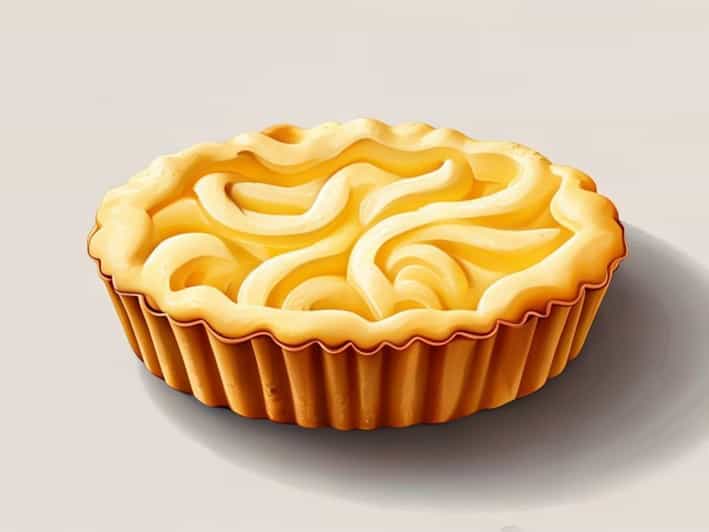
Blind baking shortcrust pastry is an essential technique in baking that ensures your pastry base is cooked properly and maintains its shape before adding any wet fillings. Whether you are making a tart, quiche, or pie, understanding how long to blind bake shortcrust pastry is crucial for achieving a crisp, evenly baked crust. This process helps prevent soggy bottoms, uneven cooking, and collapsing pastry, making it a key skill for both beginner and experienced bakers. By mastering blind baking, you can elevate the quality and appearance of your baked creations.
What is Blind Baking?
Blind baking, also known as pre-baking, is the process of baking a pastry crust without any filling. This technique is particularly useful for pies and tarts with wet or custard-based fillings that do not require as long in the oven as the pastry itself. Blind baking helps the pastry firm up, reducing shrinkage and ensuring it remains crisp and flaky after the filling is added.
Why Blind Bake Shortcrust Pastry?
Shortcrust pastry is made from flour, fat (usually butter), and water. It is tender and crumbly, which makes it perfect for sweet and savory dishes. However, because it is rich in fat, it can shrink or become soggy if baked with a wet filling from the start. Blind baking serves several purposes
- Prevents Soggy BottomsEnsures the pastry base stays crisp when a moist filling is added.
- Maintains ShapeStops the pastry from shrinking or puffing excessively in the oven.
- Even CookingGuarantees that the crust cooks through without over-browning or undercooking.
Preparing Shortcrust Pastry for Blind Baking
Proper preparation is essential to achieve the best results when blind baking. Follow these steps to prepare your shortcrust pastry
Step 1 Roll Out the Pastry
Roll out your shortcrust pastry to fit your tart or pie tin. The thickness should be even, typically around 3-5 mm, to ensure consistent baking.
Step 2 Line the Tin
Carefully place the rolled-out pastry into the tin, pressing it gently into the corners and trimming excess edges. Prick the base of the pastry with a fork to allow steam to escape and prevent bubbles from forming during baking.
Step 3 Add Baking Weights
Line the pastry with parchment paper or aluminum foil and fill it with baking weights such as dried beans, rice, or specialized ceramic baking beans. The weights prevent the pastry from puffing up and help it maintain its shape.
How Long to Blind Bake Shortcrust Pastry
The exact time for blind baking shortcrust pastry depends on whether you are partially or fully blind baking. Both methods have their applications
Partial Blind Baking
Partial blind baking is used when the pastry will be baked further with the filling. It firms up the crust without fully cooking it. For shortcrust pastry
- Preheat the oven to 180-200°C (350-400°F).
- Line the pastry with parchment and add baking weights.
- Bake for 10-15 minutes until the edges are just starting to turn golden.
- Remove the weights and bake for an additional 5-10 minutes, depending on the recipe, to ensure the base is firm but not fully browned.
Full Blind Baking
Full blind baking is done when the crust needs to be completely baked before adding the filling, such as in custard tarts or cream pies. For shortcrust pastry
- Preheat the oven to 180-200°C (350-400°F).
- Line the pastry with parchment and add baking weights.
- Bake for 15-20 minutes until the edges are golden.
- Remove the weights and parchment, then bake for another 5-10 minutes until the base is fully cooked and lightly golden.
Signs That the Pastry is Ready
Knowing how to tell when your shortcrust pastry is properly blind baked is important
- The edges are golden brown and firm.
- The base is dry to the touch and slightly firm.
- The pastry holds its shape without sagging or puffing.
Tips for Successful Blind Baking
Following these tips can improve your blind baking results
Chill the Pastry
After lining the tin, chill the pastry in the refrigerator for 15-30 minutes. Cold pastry reduces shrinkage and helps maintain shape during baking.
Use Proper Weights
Make sure the baking weights cover the pastry base evenly. This prevents bubbles and ensures an even crust.
Monitor Baking Time
Ovens can vary, so check your pastry regularly to prevent over-browning. Adjust the baking time according to the size of your tin and thickness of the pastry.
Brush with Egg Wash
For certain recipes, brushing the base lightly with a beaten egg before adding a wet filling can help create a barrier, keeping the pastry crisp.
Allow to Cool
After blind baking, allow the pastry to cool slightly before adding fillings. This prevents the pastry from becoming soggy and ensures it holds its shape.
Common Mistakes to Avoid
Blind baking can be tricky, but avoiding common mistakes improves your results
- Not pricking the base – can lead to bubbles and uneven baking.
- Skipping baking weights – may cause the pastry to puff or shrink.
- Baking at too high a temperature – edges may burn while the base remains undercooked.
- Using uneven thickness – thinner areas may overcook and thicker areas remain soft.
Blind baking shortcrust pastry is a fundamental baking technique that ensures a crisp, evenly cooked base for tarts, pies, and quiches. The baking time depends on whether you are partially or fully blind baking, typically ranging from 10 to 30 minutes at 180-200°C (350-400°F). Using proper preparation techniques, such as lining with parchment, adding baking weights, chilling the pastry, and monitoring the baking process, will result in a perfect crust every time. Mastering blind baking not only improves the texture and appearance of your pastry but also enhances the overall quality of your baked creations, ensuring that both sweet and savory dishes turn out beautifully.