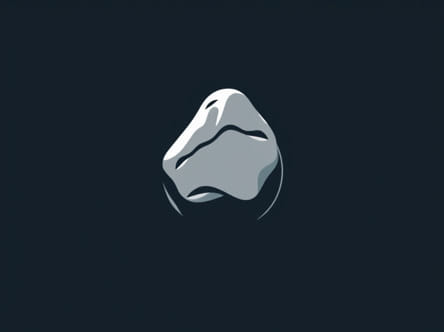
Many people who experience abdominal discomfort or digestive problems may wonder about the appearance of gallstones and how they form inside the body. Gallstones are small, hardened deposits that develop in the gallbladder, a tiny organ located beneath the liver. Their look can vary depending on their size, composition, and number. Understanding how a gallstone looks like, what influences its shape, and how it can be detected is an important step in learning more about gallbladder health and possible complications. Since gallstones are not visible from the outside, medical imaging and descriptions give us a clearer picture of their true form and characteristics.
General Appearance of Gallstones
Gallstones can look very different from one person to another. They often appear as small stones or pebbles, but their surface texture, color, and size can vary widely. Some gallstones are smooth and round, while others have a rough, jagged, or crystalline surface. The differences in appearance are usually caused by the substances that make up the stones, such as cholesterol, bile salts, and calcium.
Colors of Gallstones
The color of gallstones can reveal what they are made of. Some of the common shades include
- Yellow or GreenOften linked to cholesterol stones, which are the most common type. They usually contain hardened cholesterol and bile pigments.
- Dark BrownThese stones may form due to infection or blockage in the bile ducts. They often contain more bilirubin, a pigment from broken-down red blood cells.
- BlackThese stones are usually smaller and harder, made mainly from bilirubin and calcium salts. They are sometimes seen in people with liver disease or certain blood disorders.
In some cases, gallstones can even appear mixed in color, with layered structures showing how they developed over time.
Size and Shape of Gallstones
The size of gallstones can range from tiny grains, like sand, to larger stones several centimeters wide. Some people may have a single large gallstone, while others develop multiple smaller ones that look like gravel. The shape can be round, oval, or irregular. Large gallstones are often smoother because they roll around inside the gallbladder, while smaller ones may remain rough and sharp.
Texture and Surface
The surface of a gallstone depends on how it was formed. Smooth stones are common when they are made mostly of cholesterol, as the waxy texture tends to harden into rounded forms. On the other hand, pigment stones with more calcium may appear rough, brittle, or crystalline. When viewed closely under medical examination, some stones may even look layered, almost like the rings of a tree, showing different stages of their development.
Gallstones Inside the Gallbladder
When gallstones are inside the gallbladder, they usually cluster together in a pool of bile. Sometimes they stay unnoticed for years, as not all gallstones cause symptoms. However, when the stones move or block the bile ducts, they can trigger sharp pain known as biliary colic. This pain often starts in the upper right side of the abdomen and can spread to the shoulder or back. While the physical look of gallstones is important, their movement and effect on digestion are what usually lead people to seek medical help.
How Gallstones Are Seen in Medicine
Since you cannot see a gallstone with the naked eye unless it is removed during surgery, doctors rely on imaging techniques to detect them. Ultrasound is the most common tool, allowing doctors to see stones as small bright objects inside the gallbladder. Sometimes, X-rays, CT scans, or MRI scans are used to reveal their size and shape. After removal, gallstones may be examined directly, confirming their appearance and composition.
Examples from Medical Descriptions
Doctors and surgeons often describe gallstones as looking like pebbles, marbles, or gravel. In some cases, they may be compared to clay, wax, or resin due to their texture. Patients who have had gallstones removed sometimes describe them as hard, smooth, and surprisingly small considering the pain they caused. Others may describe them as rough fragments resembling tiny crystals or broken glass.
What Influences the Look of Gallstones
The appearance of gallstones is influenced by several factors, including
- DietHigh cholesterol diets may produce yellowish cholesterol stones.
- Medical conditionsLiver disease or blood disorders can lead to darker pigment stones.
- Duration of formationStones that have been present longer may appear layered, with alternating bands of different substances.
- Number of stonesMultiple stones often look smaller and rougher, while single stones can grow larger and smoother over time.
Gallstones vs. Other Body Stones
Comparing gallstones to kidney stones can help people understand their differences. While both are hardened deposits, gallstones usually form from cholesterol and bile components, whereas kidney stones are made of minerals like calcium and uric acid. Gallstones often look waxier or more resin-like, while kidney stones tend to look crystalline and sharper. This distinction helps doctors in identifying and treating them properly.
Why Appearance Matters
Knowing how a gallstone looks like can help doctors diagnose the type of stone and recommend treatment. For example, cholesterol stones may sometimes be dissolved with medication, while harder pigment stones usually require surgical removal. Understanding their look also helps patients recognize the seriousness of gallbladder problems and seek timely medical advice.
Gallstones are small but complex formations that can vary greatly in look, size, and texture. They may appear yellow, green, brown, or black, with surfaces ranging from smooth and shiny to rough and brittle. Their size can be as tiny as a grain of sand or as large as a golf ball, depending on how they form. While gallstones remain hidden inside the body, modern imaging and surgical procedures allow us to know exactly how they look. More importantly, learning about their appearance helps patients understand gallbladder health and the need for proper medical care when symptoms arise.