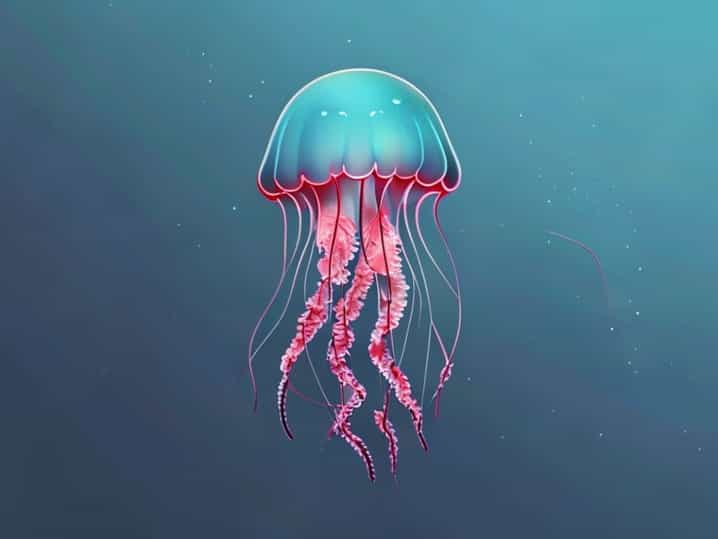
Jellyfish are fascinating marine creatures, known for their delicate, translucent bodies and graceful movements in the water. However, they are also equipped with specialized stinging cells called nematocysts that can inject venom into humans, causing pain, irritation, or more serious reactions. Many beachgoers and swimmers are curious about how jellyfish stings occur, how to recognize them, and what steps to take to prevent or treat them. Understanding how jellyfish stings happen is crucial for enjoying the ocean safely while respecting these unique creatures and their natural defense mechanisms.
What Causes a Jellyfish Sting?
Jellyfish stings are caused by contact with their tentacles, which contain thousands of microscopic nematocysts. These specialized cells are designed to capture prey and defend against predators. When triggered, a nematocyst releases a small, barbed thread that injects venom into the skin. This venom can cause a range of reactions, from mild redness and irritation to severe pain, depending on the species of jellyfish and the sensitivity of the individual. A sting does not require a jellyfish to bite or actively attack; simply brushing against its tentacles is enough to trigger the nematocysts.
Mechanism of the Sting
- Nematocysts are tiny, venom-filled capsules located on the tentacles.
- When triggered by touch, the nematocyst fires a microscopic harpoon-like thread.
- The thread penetrates the skin, injecting venom into the tissues.
- The venom causes pain, swelling, redness, and in some cases, systemic reactions.
- Multiple stings or stings from dangerous species can lead to more severe symptoms.
How People Get Stung
There are several common ways people come into contact with jellyfish and get stung. Most stings occur accidentally when swimmers, snorkelers, or divers are in close proximity to jellyfish in the ocean. Even jellyfish that appear to be floating harmlessly or dead on the shore can still sting, as nematocysts can remain active for hours. Understanding how these encounters happen helps reduce the risk of stings and allows individuals to take preventive measures.
Common Scenarios for Jellyfish Stings
- Swimming or wading in areas where jellyfish are present.
- Accidental brushing against tentacles while snorkeling or diving.
- Contact with jellyfish washed up on the shore or floating in shallow water.
- Touching jellyfish in aquariums or marine exhibits without protective gear.
- Inadvertently stepping on jellyfish in the water or on the beach.
Factors That Increase the Risk of Stings
Several factors can increase the likelihood of getting stung by a jellyfish. These include environmental conditions, the presence of certain jellyfish species, and human behavior. For example, warm coastal waters often attract jellyfish, and some species, such as the box jellyfish or Portuguese man o’ war, are particularly venomous. Swimmers who are unaware of jellyfish warnings, enter the water at the wrong time, or ignore safety measures are more prone to stings. Awareness of these factors can help reduce the risk of encounters with stinging jellyfish.
Risk Factors
- Swimming during jellyfish blooms or in areas with high jellyfish populations.
- Entering the water without protective clothing, such as rash guards or wetsuits.
- Ignoring local warnings or safety advisories about jellyfish presence.
- Touching or attempting to handle jellyfish out of curiosity.
- Being unaware of species that are especially venomous or dangerous.
Symptoms of a Jellyfish Sting
The symptoms of a jellyfish sting vary depending on the species and the extent of the sting. Mild stings may cause red, itchy welts, while more severe stings can result in intense pain, swelling, nausea, and even difficulty breathing. Some venomous species, such as the box jellyfish, can cause life-threatening reactions if immediate treatment is not sought. Recognizing the signs of a sting is important for prompt and effective response.
Common Symptoms
- Red or purple welts along the area of contact.
- Sharp or burning pain at the sting site.
- Itching, swelling, or irritation around the affected area.
- Muscle cramps, nausea, or vomiting in severe cases.
- Dizziness, difficulty breathing, or irregular heartbeat in extremely venomous stings.
Prevention of Jellyfish Stings
Preventing jellyfish stings is always preferable to treating them afterward. Swimmers should be aware of the presence of jellyfish in their area and take appropriate precautions. Protective clothing, such as full-body swimsuits or stinger suits, can greatly reduce the risk of stings. It is also important to avoid touching jellyfish, whether alive or dead, and to swim in designated safe zones monitored by lifeguards during jellyfish season.
Preventive Measures
- Check local beach advisories for jellyfish warnings before entering the water.
- Wear protective clothing such as rash guards, wetsuits, or stinger suits.
- Avoid swimming in areas with visible jellyfish or floating tentacles.
- Do not attempt to touch, handle, or move jellyfish in the water.
- Follow guidelines from local authorities and lifeguards for safe swimming areas.
Treatment of Jellyfish Stings
If stung by a jellyfish, it is essential to respond quickly to minimize pain and prevent complications. Immediate first aid typically involves rinsing the area with vinegar or saltwater to neutralize nematocysts, removing any tentacle remnants carefully, and avoiding fresh water, which can trigger further venom release. Pain relief may be achieved with ice packs, over-the-counter analgesics, or antihistamines. In severe cases, medical attention is necessary to address potential allergic reactions or venomous stings from dangerous species.
First Aid Steps
- Rinse the sting area with vinegar or saltwater to deactivate nematocysts.
- Carefully remove any tentacle pieces with a pair of tweezers or gloves.
- Do not rub the area, as friction can increase venom absorption.
- Apply ice packs or cold compresses to reduce pain and swelling.
- Seek medical attention immediately for severe pain, difficulty breathing, or signs of systemic reaction.
Getting stung by a jellyfish is a common risk for anyone swimming in oceans where jellyfish are present. Stings occur when the nematocysts in jellyfish tentacles release venom into the skin, often through accidental contact. While many stings are mild and manageable with first aid, some species can cause serious or life-threatening reactions. Understanding how stings happen, recognizing symptoms, taking preventive measures, and knowing proper treatment are all essential for safe and enjoyable ocean activities. By respecting jellyfish and following safety guidelines, swimmers can reduce the risk of painful encounters and better appreciate these unique marine creatures in their natural habitats.