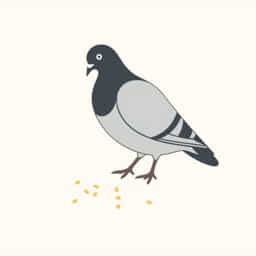
When observing pouter pigeons at feeding time, one might notice a curious behavior: they often puff up their chests and form a round, almost ball-like posture as they peck at food. This feeding style is especially noticeable in breeds like the English Pouter, famous for their enlarged, inflatable crop and chest. Understanding how pouter pigeons eat involves exploring their anatomy, feeding mechanism, and behaviors that set them apart from other pigeon types.
Anatomy of the Pouter Pigeon
Specialized Body Shape
Pouter pigeons are bred for their exaggerated chest or crop, a flexible pouch of the esophagus used to store food. The enlarged crop allows these birds to ingest large quantities of seed at once. When feeding, they often inflate this region and adopt a rounded shape, making their chest and body appear almost spherical as they pick up grains. This behavior is visible in videos of the England Pouter, where the bird forms a ball shape while eating
Beak and Feeding Structure
Pigeons, including pouters, have short, powerful beaks designed for pecking and swallowing seeds. Their tongue helps channel food down into the esophagus, and the crop allows temporary storage so they can feed quickly before processing the seeds later.
Feeding Behavior and Patterns
Seed-Based Diet
Like other pigeons, pouter pigeons are granivorous and primarily feed on seeds and grains. Their diet may also include small amounts of plant matter or insect larvae as a protein supplement
Feeding Posture and Movement
Pouters exhibit unique feeding posture: they puff their chest and inflate their crop while pecking through seed. This ball-like stance may help them store food quickly and reduce competition. When very hungry, pigeons of various breeds run and peck rapidly in areas where food is clumped, sometimes raising and half-spreading their wings to balance and access grain
Step-by-Step Feeding Process
1. Locating Food
Pouter pigeons forage on flat surfaces such as coop floors, ground, or feeding trays. They may forage individually or in a flock, often following more experienced birds (‘producers’) who first identify food sources
2. Pecking and Ingestion
The pigeon pecks at seeds, securing them with its beak and guiding them down its throat. The crop temporarily stores the grains before they enter the digestive tract.
3. Crop Inflation
As the pigeon eats, it may inflate its crop with air or food, puffing out the chest. This allows rapid ingestion and storage of large amounts of seeds. It also serves as a visual display among other pigeons, linked to their ornamental breeding goals.
4. Post-Ingestion Processing
After feeding, the bird may rest and allow the stored food to move gradually into the rest of the digestive system. Seeds are softened and gradually digested in the proventriculus and gizzard.
Health and Nutritional Considerations
Balanced Diet
Providing a blend of grains, legumes, and seeds ensures that pouter pigeons receive essential nutrients proteins, fats, and vitamins. Specialized pigeon feed is recommended over random scraps or human food
Hydration and Water Intake
Pigeons drink by dipping their beaks directly into water and sucking without tilting their heads back a key difference from many other birds Access to clean water supports crop function and digestion.
Potential Issues
- Overinflated crops can sometimes lead to impaction or infection, especially if grains swell before digestion.
- Low activity combined with heavy feeding may risk obesity or fatty liver in ornamental birds.
- Clean feeding environments are important to prevent mold or bacterial growth in uneaten seeds.
Feeding Pouter Pigeons in Captivity
Feeding Setup
Provide flat trays or floor space where grains are evenly spread, allowing pigeons to walk and peck. Watch for competitive behavior and ensure all birds get access.
Feeding Frequency
Pouters benefit from scheduled feeding sessions plus free access to clean water. Providing food multiple times a day can suit their meal-storage behavior, allowing them to fill their crop in short bursts.
Observation Tips
Watch pouter pigeons during feeding. Their characteristic chest inflation and circular posture are indicators of proper engagement. If a pigeon fails to inflate its crop or appears listless, it may signal illness or poor appetite.
Why Is Pouter Feeding Behavior Unique?
Selective Breeding and Ornamentation
Pouter pigeons were selectively bred over centuries for their enlarged crop and distinctive posture. Their feeding behavior aligns with these features highlighting both the aesthetic puffed chest and their ability to store food rapidly before processing.
Behavioral Function
This behavior may confer advantages in group feeding situations. By inflating and consuming quickly, a bird limits competition and ensures it can return to digest without pressure from peers.
Summary of Key Points
- Pouter pigeons eat seeds and grains like other pigeons but inflate their crop and chest while feeding.
- They store food in their crop, enabling rapid ingestion before digestion.
- Unique posture puffed chest and rounded shape makes their feeding behavior visually distinct.
- Proper nutrition, clean water, and feeding setup are essential for health.
- Behavior is a result of both anatomy and selective breeding for ornamental traits.
Feeding behavior in pouter pigeons is a fascinating combination of innate pigeon biology and selective breeding. Their ability to inflate their chest and crop while eating reflects both function and breed identity. By knowing how pouter pigeons eat where they feed, how they peck, and why they inflate their crop you can better care for these birds, appreciate their unique form, and support their health and well-being. Observing them at feeding time reveals not just a meal ritual, but a display of anatomical adaptation and behavioral elegance unique among fancy pigeon breeds.
: