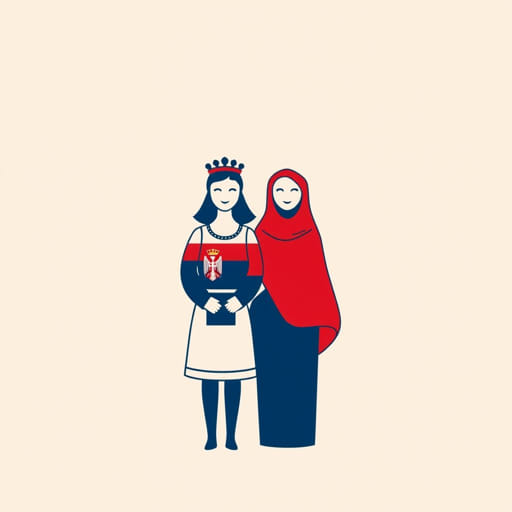
Understanding Serbian people requires more than just reading about their history or visiting their cities. It involves getting to know their character, lifestyle, traditions, and values. Serbians are known for their strong sense of community, deep respect for family, and a warm, welcoming attitude that often surprises first-time visitors. They are proud of their cultural heritage and resilient in the face of challenges, with a social culture that combines joy, loyalty, and a touch of Balkan bravado.
Hospitality and Warmth
The Spirit of Welcoming Guests
One of the most defining traits of Serbian people is their hospitality. Visitors often comment on how open and generous Serbians are, especially when inviting guests into their homes. Whether you are a tourist, a stranger, or a friend of a friend, it is not unusual to be welcomed with food, drinks, and heartfelt conversation. Offering rakija (a traditional fruit brandy) is often the first step in making someone feel at home.
This hospitality is not just cultural it is emotional. Serbians take pride in making others feel like family. Meals are shared with abundance, stories are exchanged freely, and laughter is encouraged. Social bonds are important, and the act of gathering whether for a coffee or a full meal is a cherished part of everyday life.
Strong Family Values
The Importance of Kinship
Family plays a central role in Serbian society. It is common for multiple generations to live under one roof, and respect for elders is deeply ingrained. Children are raised with close involvement from parents, grandparents, and extended family members, creating tight-knit family units.
- Major life decisions often involve family input.
- Celebrations and holidays are family-centered.
- Family support networks remain active throughout adulthood.
This emphasis on family contributes to a strong sense of belonging and identity. Even Serbians who have emigrated abroad often maintain close connections with relatives and return home for important events.
Resilience and National Pride
Shaped by History
The history of Serbia is marked by conflict, empire, resistance, and survival. From the Ottoman occupation to the Yugoslav wars, the Serbian people have endured immense challenges. These experiences have forged a national identity based on resilience, pride, and independence.
Many Serbians feel a strong connection to their history and culture. National holidays, traditional music, and folk dances are celebrated with enthusiasm. Despite political changes and economic struggles, there is a prevailing spirit of perseverance. This determination often comes through in everyday conversations, humor, and a readiness to speak openly about the past.
Cultural Identity and Traditions
Celebrations and Customs
Serbian culture is rich in tradition. Orthodox Christianity plays a significant role in shaping holidays and rituals. One unique Serbian tradition is ‘Slava,’ a family celebration of a patron saint. Each household honors a specific saint annually, with feasting, prayer, and gatherings that can last for days.
Folk music and traditional dances, like the kolo, are performed at weddings and festivals. Serbian traditional dress, while not worn daily, is still displayed with pride during cultural events. Even younger generations often participate in preserving these customs, especially in rural areas.
Food and Festivity
Serbian cuisine is hearty and flavorful, influenced by Mediterranean, Hungarian, Turkish, and Slavic tastes. Grilled meats, bread, cheese, and vegetables are staples. Meals are not rushed they are events. Eating together is a way to bond, discuss, and enjoy life.
- Äevapi: Grilled minced meat served with flatbread and onions.
- Sarma: Cabbage rolls filled with rice and meat.
- Pita: Savory pastries often filled with cheese or potatoes.
Sharing food is an act of love, and cooking is often a source of pride. Homemade specialties are common, and many Serbians still follow traditional recipes passed down through generations.
Personality Traits of Serbian People
Direct Communication
Serbians are often described as direct and honest. They speak their minds and appreciate when others do the same. This straightforwardness can sometimes be mistaken for rudeness by outsiders, but within Serbian culture, it is a sign of sincerity and strength.
People value authenticity. Rather than sugarcoating opinions, Serbians prefer open discussion even on difficult topics. This attitude contributes to strong friendships and trustworthy relationships.
Humor and Wit
Humor is a major part of Serbian social life. Even during hard times, Serbians find ways to laugh, joke, and lighten the mood. Their humor can be sharp and self-deprecating, often laced with irony. This ability to find joy amidst struggle is one of the most admired traits of the Serbian people.
Modern Serbia and Its Youth
Blending Tradition and Modernity
Young Serbians today are navigating a complex world. While many embrace modern lifestyles, technology, and global trends, they also carry the values and traditions of their heritage. Education is important, and many students are multilingual and internationally aware. At the same time, they maintain close ties to family and participate in cultural customs.
Music, fashion, and art are thriving among the younger generation. In cities like Belgrade and Novi Sad, creative industries and nightlife scenes showcase a vibrant modern Serbia. However, there remains a strong undercurrent of cultural pride and respect for the past.
Challenges Facing the Youth
Economic uncertainty and emigration are real concerns for Serbian youth. Many talented individuals leave the country in search of better job opportunities, contributing to a brain drain. Despite these challenges, young Serbians are resilient and resourceful, seeking ways to build a better future within and outside their homeland.
Interactions with Foreigners
Friendly but Curious
Serbians are generally very welcoming to foreigners. Tourists often note the friendliness of locals and the willingness to help, even when language barriers exist. At the same time, Serbians are naturally curious about other cultures and often ask direct questions to learn more about visitors.
Respect is mutual foreigners who show interest in Serbian culture and history are often rewarded with deeper connections, better service, and genuine friendships. Knowing a few words in Serbian or showing appreciation for local customs goes a long way in creating positive impressions.
Serbian people are complex, proud, and deeply rooted in their cultural identity. They value hospitality, family, honesty, and resilience. While they continue to adapt to the modern world, they carry with them a powerful heritage shaped by history, tradition, and a deep connection to community. Whether through a shared meal, a lively conversation, or a heartfelt celebration, getting to know the Serbian people offers a window into a culture that is as enduring as it is enriching.