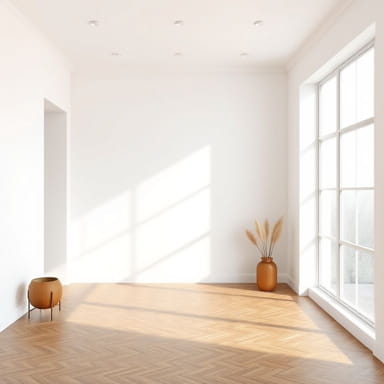
When designing or renovating a building, one important aspect that is often considered in detail is how the floors are outfitted inside. The flooring not only provides a surface to walk on but also contributes to the style, comfort, and functionality of the space. From subfloor preparation to the final decorative layer, every element plays a significant role in the complete outfitting of interior floors. Whether it’s a home, office, or commercial property, the choice and method of floor outfitting have a direct impact on durability and aesthetic appeal.
Understanding Floor Outfitting
Floor outfitting refers to the process of preparing, constructing, and finishing a floor within a building. This involves several stages and materials, each of which serves a different purpose depending on the type of building and the intended use of the space. A properly outfitted floor enhances insulation, supports structural integrity, and complements the overall interior design.
Stages of Floor Outfitting
To understand how floors are outfitted inside, it’s essential to look at the sequential steps involved in the process. These stages generally include:
- Subfloor preparation
- Insulation and moisture barriers
- Installation of underlayment
- Laying the finished floor material
- Sealing and finishing touches
Subfloor Preparation
The subfloor is the foundation on which the finished flooring will be laid. It could be concrete, plywood, or another structural surface. Proper preparation of the subfloor ensures a level and stable base, which is critical to prevent problems like squeaks, dips, or cracks in the finished floor. This step may involve leveling compounds, patching, and cleaning to create the perfect foundation.
Insulation and Moisture Control
Depending on the building’s location and function, insulation may be added to the subfloor. This helps improve thermal efficiency and sound dampening. Additionally, in areas prone to moisture such as basements, kitchens, or bathrooms a moisture barrier is often installed. These barriers protect the flooring from water damage and mold growth, enhancing the floor’s longevity.
Installing Underlayment
Underlayment is a thin layer placed between the subfloor and the final floor covering. It smooths out minor imperfections and provides added insulation or soundproofing. Different types of underlayment are available for specific flooring materials foam underlayment for laminate, cork for acoustic insulation, or rubber for sports floors.
Choosing and Installing Floor Coverings
The most visible and tactile part of floor outfitting is the floor covering itself. It determines the look, feel, and function of the room. Popular choices include:
- Hardwood Flooring: Offers timeless beauty and durability. Installed via nailing, stapling, or gluing.
- Laminate Flooring: Cost-effective and easy to install, often clicked together using tongue-and-groove systems.
- Vinyl and LVT: Waterproof and versatile, ideal for kitchens and bathrooms.
- Tile Flooring: Ceramic or porcelain tiles are set in thin-set mortar and grouted.
- Carpeting: Provides warmth and softness, usually stretched and secured with tack strips.
The installation technique varies based on the material. Floating floors require less permanent fixation, while tiles and hardwoods may need adhesives or mechanical fastening.
Special Considerations in Floor Outfitting
There are a few unique factors that influence how floors are outfitted indoors. These factors include the room’s usage, environmental conditions, and architectural style.
Commercial vs. Residential Floors
In commercial spaces, floors must withstand heavy foot traffic, equipment loads, and routine cleaning. Therefore, materials like commercial-grade vinyl, epoxy-coated concrete, and heavy-duty tiles are common. In residential settings, aesthetics and comfort are often prioritized, leading to the use of hardwood, laminate, or carpet.
Soundproofing and Insulation
Multi-story buildings, especially apartments and offices, benefit from soundproofed floors. Special underlayments, floating floors, and acoustic insulation help reduce impact noise and echo. Floor outfitting in such settings may also involve padding materials beneath the top layer to absorb sound and increase comfort.
Floor Outfitting for Wet Areas
Bathrooms, kitchens, and laundry rooms require water-resistant materials. These areas often feature:
- Waterproof vinyl planks or sheets
- Ceramic or porcelain tiles with sealed grout
- Concrete with waterproof coatings
The floors in these rooms must be sealed properly to prevent water seepage into the subfloor.
Trends and Modern Techniques
Modern floor outfitting has evolved with trends and innovations in materials and design. Homeowners and businesses now seek sustainability, efficiency, and style in one package. Here are a few notable developments:
- Eco-Friendly Materials: Bamboo, reclaimed wood, and cork are gaining popularity for their low environmental impact.
- Heated Floors: Radiant floor heating systems are embedded under tile or stone for added comfort in colder climates.
- Digital Layout Tools: Software is often used to plan and visualize floor installations in advance.
- Modular Flooring: Systems like interlocking tiles or panels make for easy DIY installation and replacement.
Custom Design and Aesthetic Choices
Interior design preferences heavily influence flooring choices. Patterns such as herringbone wood, checkerboard tiles, or textured concrete can add character to a space. Interior designers work closely with contractors to select the right colors, finishes, and transitions between rooms for a cohesive look.
Maintenance and Durability
Once the floor is fully outfitted, maintaining it becomes essential for long-term performance. Different materials require different levels of care:
- Hardwood: Needs regular sweeping and periodic refinishing.
- Tile: Should be cleaned with mild detergents, and grout lines resealed occasionally.
- Carpet: Requires vacuuming and deep cleaning to prevent dust accumulation.
- Vinyl: Easy to maintain with mopping and minimal care.
Proper maintenance not only preserves appearance but also prevents damage that can lead to costly repairs or replacements.
Understanding how floors are outfitted inside helps in making informed decisions whether you’re building new, renovating, or simply upgrading a room. From subfloor to surface, each layer matters and contributes to the overall comfort, appearance, and durability of the space. With a wide range of materials, techniques, and innovations available today, floor outfitting can be customized to meet both practical needs and personal style. A well-outfitted floor is the foundation of a beautiful and functional interior.