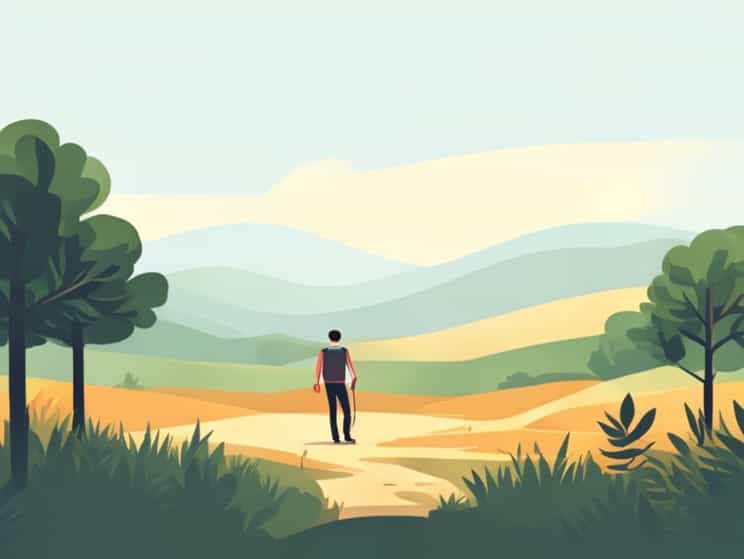
Going for aimless walks in the countryside is an experience that feels increasingly rare in a world driven by schedules, notifications, and constant goals. Unlike purposeful hikes or planned routes, these walks have no destination and no pressure to achieve anything. They are about moving slowly, observing quietly, and allowing thoughts to wander as freely as feet do along country paths. For many people, wandering through fields, lanes, and quiet villages offers a gentle return to simplicity and a deeper connection with both nature and oneself.
The Meaning of Aimless Walking
Aimless walking does not mean walking without value. It simply means walking without a fixed objective, route, or time limit. In the countryside, this practice becomes especially meaningful because the environment encourages calm observation rather than urgency.
Instead of tracking distance or speed, the walker pays attention to changing light, the sound of birds, or the feeling of the ground beneath each step. This approach transforms walking from exercise into a mindful experience.
Why the Countryside Is Ideal for Aimless Walks
The countryside offers open spaces, natural rhythms, and fewer distractions. Unlike cities, where traffic and noise demand constant attention, rural landscapes invite slowing down.
Fields, forests, rivers, and small roads create an environment where it feels natural to wander without direction. The absence of crowds allows walkers to move at their own pace and follow curiosity rather than maps.
Natural Features That Enhance the Experience
- Rolling hills and open meadows
- Quiet footpaths and country lanes
- Seasonal changes in plants and wildlife
These features make every walk feel unique, even if the same area is explored repeatedly.
Mental Benefits of Aimless Walks
One of the strongest reasons people seek aimless walks in the countryside is for mental well-being. Without goals or time pressure, the mind can relax and process thoughts naturally.
This form of walking often leads to clarity and creative thinking. Ideas emerge without effort, and worries lose their intensity when placed against the vastness of the natural world.
Reducing Stress and Anxiety
Slow movement and natural surroundings help calm the nervous system. Many people find that stress levels drop quickly during countryside walks.
- Lower mental tension
- Improved mood
- Greater emotional balance
The absence of digital distractions plays a major role in this effect.
Physical Health Without Pressure
Aimless walking still provides physical benefits, even though it is not structured exercise. Gentle movement improves circulation, supports joint health, and encourages better breathing.
Because there is no performance goal, people are more likely to listen to their bodies and walk in a way that feels comfortable and sustainable.
Connection With Nature
Going for aimless walks in the countryside strengthens the bond between humans and nature. Without rushing, walkers notice small details that often go unseen.
The texture of tree bark, the patterns of clouds, or the movement of insects become sources of quiet fascination. This attention builds appreciation and respect for the natural world.
Seasonal Awareness
Regular aimless walks allow people to observe seasonal changes closely.
- Spring blossoms and new growth
- Summer warmth and long evenings
- Autumn colors and falling leaves
- Winter stillness and bare landscapes
These changes add depth and meaning to the walking experience.
Emotional Reflection and Personal Insight
Aimless walking creates space for reflection. Without the need to reach a destination, thoughts unfold naturally. Memories surface, questions form, and emotions are processed gently.
Many people find that difficult decisions become clearer during long, unstructured walks. The rhythm of walking supports introspection without forcing conclusions.
Social and Cultural Roots of Wandering
Throughout history, wandering has been valued by writers, philosophers, and artists. Walking without purpose was often seen as a way to think deeply and observe society from a distance.
In rural settings, walking has traditionally been part of daily life rather than a planned activity. Aimless walks reflect this older relationship with land and movement.
Letting Go of Productivity Culture
Modern life often emphasizes efficiency and measurable outcomes. Aimless walks challenge this mindset by offering value without productivity.
By walking without goals, people learn to appreciate experiences that cannot be quantified. This shift can improve overall life satisfaction.
Learning to Be Present
Aimless walking encourages presence rather than performance.
- Less focus on time
- Greater sensory awareness
- Acceptance of slowing down
This presence often carries into other areas of life.
Practical Tips for Aimless Countryside Walks
Although aimless walks require little planning, a few simple choices can enhance the experience.
Wearing comfortable shoes, leaving digital devices behind, and choosing safe, accessible areas helps maintain relaxation.
How to Start
- Choose a familiar rural area
- Walk without a time limit
- Follow curiosity rather than paths
The goal is to remain open rather than directed.
Why Aimless Walks Feel Restorative
The restorative power of aimless walks in the countryside lies in their simplicity. They remove pressure, expectations, and constant stimulation.
In this simplicity, people often rediscover a sense of calm that is difficult to find elsewhere.
The Lasting Impact of Regular Wandering
Over time, regular aimless walks can change how people relate to their environment and themselves. Patience increases, observation deepens, and appreciation for small moments grows.
This practice encourages a slower, more thoughtful way of living.
Going for aimless walks in the countryside is more than a leisurely activity; it is a quiet form of renewal. By stepping away from destinations and expectations, walkers open themselves to reflection, calm, and connection with nature. These unplanned journeys offer mental clarity, physical comfort, and emotional balance. In a fast-paced world, the simple act of wandering through rural landscapes without purpose becomes a meaningful reminder that not everything valuable needs a goal.