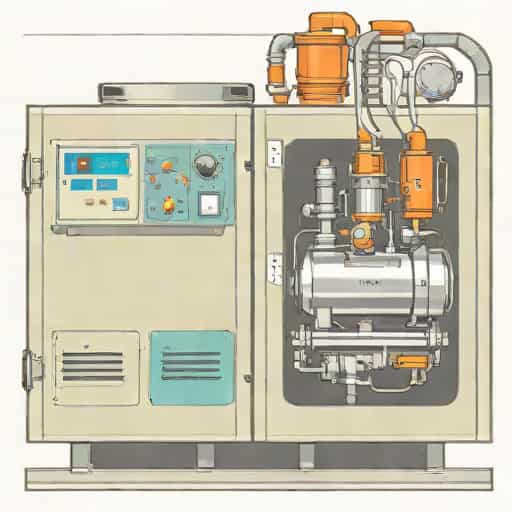
Refrigeration systems are an essential part of modern life, providing the cooling necessary for food storage, air conditioning, and industrial processes. At the heart of these systems lies the compressor, a critical component that ensures the refrigerant circulates properly and maintains the desired temperature. Without the compressor, a refrigeration system cannot function efficiently, as it is responsible for creating the pressure difference needed for heat transfer. Understanding the function of a compressor in a refrigeration system is key to appreciating how these systems operate and why proper maintenance is crucial for performance and energy efficiency.
Understanding the Role of the Compressor
The compressor is often referred to as the heart of the refrigeration system. Its primary role is to compress the refrigerant gas, increasing its pressure and temperature so that it can release heat in the condenser. By doing so, the compressor allows the refrigerant to flow continuously through the system, enabling heat absorption in the evaporator and heat release in the condenser. Essentially, the compressor drives the refrigeration cycle, making it possible for the system to provide cooling effectively.
How a Compressor Works
The operation of a compressor involves several key steps
- IntakeLow-pressure refrigerant vapor enters the compressor from the evaporator.
- CompressionThe compressor compresses the refrigerant, increasing its pressure and temperature.
- DischargeHigh-pressure, high-temperature refrigerant is pushed into the condenser.
Through this process, the compressor converts mechanical energy into the energy required to circulate the refrigerant and maintain the refrigeration cycle.
Types of Compressors in Refrigeration Systems
There are several types of compressors used in refrigeration systems, each with unique features and applications. The choice of compressor depends on factors such as system size, desired efficiency, and type of refrigerant. Some common types include
Reciprocating Compressors
Reciprocating compressors use pistons driven by a crankshaft to compress the refrigerant. They are widely used in small to medium-sized refrigeration systems. Their advantages include simplicity, reliability, and the ability to handle varying loads efficiently. However, they may produce more noise and vibration compared to other types.
Rotary Compressors
Rotary compressors operate using a rotating mechanism, such as a roller or vane, to compress the refrigerant. They are often found in small refrigeration units and air conditioners. These compressors are quieter and more compact, making them suitable for domestic and commercial applications where space and noise are considerations.
Scroll Compressors
Scroll compressors consist of two spiral-shaped scrolls, one stationary and one orbiting. The orbiting scroll compresses the refrigerant by trapping it in pockets and gradually reducing the volume. Scroll compressors are known for their efficiency, reliability, and smooth operation. They are commonly used in medium to large air conditioning and refrigeration systems.
Centrifugal Compressors
Centrifugal compressors use a rotating impeller to impart velocity to the refrigerant, which is then converted into pressure. These compressors are typically used in large industrial refrigeration systems and chillers. They offer high efficiency at large capacities but require precise maintenance and operation.
Functions of the Compressor in the Refrigeration Cycle
The compressor serves several critical functions in a refrigeration system, making it indispensable for effective cooling. These functions include
Increasing Refrigerant Pressure
One of the main functions of the compressor is to raise the pressure of the refrigerant vapor. By increasing the pressure, the refrigerant’s boiling point also rises, allowing it to release heat efficiently in the condenser. Without this pressure increase, the refrigerant would not be able to transfer heat properly, and the refrigeration system would fail to cool effectively.
Maintaining Refrigerant Flow
The compressor ensures continuous circulation of the refrigerant throughout the system. By creating a pressure difference between the evaporator and the condenser, it drives the flow of refrigerant from the low-pressure side to the high-pressure side. This continuous flow is essential for sustaining the refrigeration cycle and maintaining the desired cooling effect.
Enabling Heat Exchange
Through its role in compressing the refrigerant, the compressor enables efficient heat exchange in both the evaporator and condenser. In the evaporator, the low-pressure refrigerant absorbs heat from the surroundings, while in the condenser, the high-pressure refrigerant releases heat to the environment. The compressor ensures that the refrigerant reaches the necessary pressure and temperature levels for these processes to occur.
Supporting Energy Efficiency
A well-functioning compressor contributes significantly to the overall energy efficiency of a refrigeration system. Modern compressors are designed to operate with minimal energy consumption while maintaining optimal performance. Proper selection, maintenance, and operation of the compressor can reduce energy costs and extend the lifespan of the refrigeration system.
Common Issues and Maintenance Tips
Despite its importance, compressors can face issues that affect system performance. Some common problems include
- Overheating due to insufficient lubrication or high ambient temperatures
- Leaks in the refrigerant lines affecting pressure levels
- Electrical faults that prevent the compressor from starting or running smoothly
- Wear and tear on moving parts, leading to reduced efficiency
Regular maintenance, such as checking refrigerant levels, inspecting electrical connections, and ensuring proper lubrication, can help prevent these issues and keep the compressor running efficiently.
Signs of Compressor Failure
Recognizing early signs of compressor failure can prevent more serious system damage. Common indicators include
- Unusual noises, such as rattling or humming
- Reduced cooling performance or uneven temperatures
- Frequent cycling on and off
- Excessive energy consumption
Addressing these signs promptly can save time, money, and avoid complete system failure.
The compressor is the central component of any refrigeration system, performing essential functions that enable the system to provide reliable and efficient cooling. By compressing the refrigerant, maintaining flow, enabling heat exchange, and supporting energy efficiency, the compressor ensures the entire system operates effectively. Understanding its role, types, and maintenance needs is crucial for anyone working with or using refrigeration systems. Proper care of the compressor not only enhances system performance but also prolongs its lifespan, making it an indispensable part of modern cooling technology.