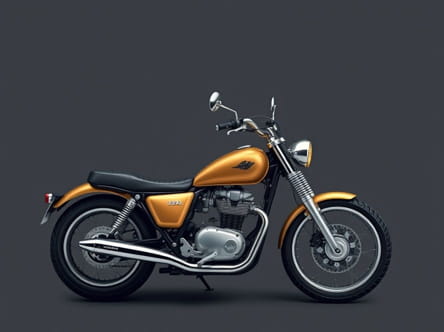
The Yamaha Virago 535 is one of the most iconic mid-sized cruiser motorcycles ever built, admired for its reliability, style, and comfortable ride. However, like many motorcycles, it relies heavily on a properly functioning fuel delivery system. At the heart of this system is the fuel pump, a crucial component that ensures the Virago 535 engine gets the right amount of fuel at the right time. Without a reliable fuel pump, the bike may experience performance issues, starting problems, or even complete stalling. Understanding how the fuel pump works, common problems, and maintenance tips can make a big difference for owners who want to keep their Virago 535 running smoothly for years.
The Role of the Fuel Pump in the Virago 535
The fuel pump in the Yamaha Virago 535 is an electric pump designed to regulate fuel flow from the tank to the carburetors. Unlike gravity-fed systems found in smaller motorcycles, the Virago 535 uses a pump because of the placement of its fuel tank. Since the tank sits lower than the carburetors, gravity alone cannot provide consistent fuel delivery. This makes the pump essential to maintain proper pressure and steady fuel supply during all riding conditions.
A functioning fuel pump ensures
-
Consistent delivery of fuel to the carburetors.
-
Stable idling and smooth acceleration.
-
Prevention of lean fuel mixtures that can damage the engine.
-
Reliable starts, especially after the motorcycle has been sitting unused.
Common Symptoms of a Failing Fuel Pump
Like any mechanical or electrical component, the fuel pump on the Virago 535 can wear out over time. Riders often encounter performance problems that can be traced back to a failing pump. Some of the most common signs include
-
Difficulty startingIf the engine cranks but struggles to fire up, it may be due to insufficient fuel reaching the carburetors.
-
Intermittent stallingA weak or failing pump may cause the engine to stall randomly, particularly under load.
-
Lack of powerPoor fuel delivery leads to sluggish acceleration and reduced overall performance.
-
Engine misfiresInconsistent fuel pressure can result in misfiring, especially at higher speeds.
-
Clicking noiseThe stock Virago 535 pump often makes a repetitive clicking sound, which may change or stop entirely when the pump fails.
Diagnosing Fuel Pump Issues
Before replacing the fuel pump, it’s important to rule out other issues such as clogged fuel lines, dirty carburetors, or faulty electrical connections. Basic diagnostic steps include
-
Checking the fuse and relay connected to the fuel pump.
-
Inspecting fuel lines for cracks, clogs, or leaks.
-
Testing the pump by listening for its clicking sound when the ignition is turned on.
-
Verifying fuel flow by disconnecting the line at the carburetor and briefly turning the key to see if fuel is delivered.
If the pump fails these checks, replacement or repair may be necessary.
Replacement Options for the Virago 535 Fuel Pump
Owners of the Yamaha Virago 535 have several choices when it comes to replacing a faulty fuel pump. While the stock pump can still be sourced through some suppliers, many riders opt for aftermarket alternatives due to availability and cost.
OEM Replacement
Original Yamaha fuel pumps are designed specifically for the Virago 535, ensuring perfect fit and reliable performance. However, they can be more expensive and harder to find, especially for older models.
Aftermarket Fuel Pumps
Several aftermarket pumps are compatible with the Virago 535. These pumps are often more affordable and readily available. Many riders have successfully installed universal motorcycle fuel pumps that provide similar pressure and flow to the original.
Manual Gravity Conversion
Some Virago owners bypass the electric pump altogether by converting to a gravity-fed system, especially if modifications have been made to the fuel tank. While this can work in certain setups, it is not always reliable, particularly under heavy loads or at high speeds.
Installation Tips
Installing a new fuel pump on the Virago 535 requires attention to detail to avoid leaks and ensure proper fuel delivery. Key steps include
-
Disconnecting the battery to prevent accidental sparks.
-
Removing the old pump and noting the direction of fuel flow.
-
Checking hoses for wear and replacing them if needed.
-
Installing the new pump securely and confirming correct wiring connections.
-
Priming the pump and testing the bike before heading out on long rides.
Maintaining the Fuel Pump
While the fuel pump on the Virago 535 is generally durable, regular maintenance of the overall fuel system can prolong its lifespan. Useful practices include
-
Keeping the fuel tank clean and rust-free to prevent debris from reaching the pump.
-
Replacing fuel filters regularly to maintain steady flow.
-
Running the motorcycle regularly to keep the pump lubricated and functional.
-
Inspecting electrical connections for corrosion or loose wiring.
Performance Upgrades and Considerations
Some Virago 535 owners experiment with performance upgrades that require improved fuel delivery. In such cases, a higher-capacity fuel pump may be considered. However, most riders find that a well-functioning stock or equivalent pump provides more than enough flow for the factory engine setup.
For riders who plan to travel long distances, carrying a spare universal fuel pump can be a practical precaution. Since the Virago 535 is an older model, sourcing parts on the road can sometimes be difficult.
Rider Experiences and Common Discussions
Within motorcycle communities, the Virago 535 fuel pump is a frequent topic. Many riders report that the original pumps last for decades with minimal issues, while others experience sudden failures that leave them stranded. Online discussions often highlight inexpensive universal pump replacements as a reliable solution.
Some owners also note that fuel pump issues can mimic carburetor problems, leading to unnecessary rebuilds when the real culprit is fuel delivery. Understanding these shared experiences helps new owners troubleshoot more effectively.
The fuel pump in the Yamaha Virago 535 is a small but vital component that keeps the motorcycle running reliably. From regulating fuel flow to ensuring consistent engine performance, it plays a central role in the riding experience. Recognizing the symptoms of a failing pump, knowing replacement options, and performing basic maintenance can save riders time and frustration. Whether choosing an OEM part, an aftermarket pump, or exploring modifications, the key is ensuring steady and dependable fuel delivery.
For Virago 535 enthusiasts, keeping the fuel pump in good condition is not just about mechanics it is about preserving the freedom and enjoyment that this classic motorcycle offers. By paying attention to this critical part of the fuel system, riders can continue pressing forward on every journey, confident that their bike will respond with the performance it was built to deliver.