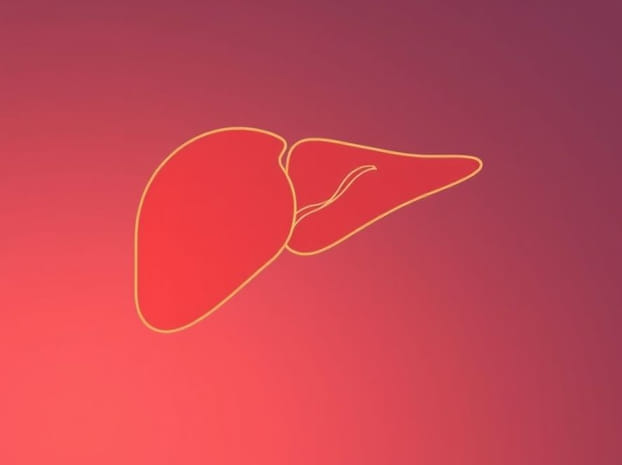
The liver is one of the most vital organs in the human body, performing essential functions related to metabolism, detoxification, and digestion. From the point of ontogeny, the liver represents a fascinating example of organ development, growth, and functional maturation during embryonic and fetal stages. Understanding the ontogenetic perspective of the liver not only provides insight into its formation but also highlights its adaptability, regenerative capacity, and crucial role in sustaining life. By examining liver ontogeny, scientists and medical professionals can better understand congenital liver disorders, developmental anomalies, and potential therapeutic approaches for liver regeneration.
Ontogeny and Liver Development
Ontogeny refers to the development of an organism from the earliest stage of conception through maturity. From this perspective, the liver is classified as an endoderm-derived organ, primarily arising from the foregut endoderm during the third week of embryonic development. Its formation begins as a small hepatic diverticulum, which grows and differentiates into hepatocytes, bile ducts, and associated connective tissue. The liver’s development is influenced by interactions between endodermal cells and surrounding mesodermal tissues, which provide signals essential for cellular differentiation, morphogenesis, and functional specialization.
Formation of the Hepatic Diverticulum
The hepatic diverticulum emerges as an outgrowth of the foregut endoderm, growing into the septum transversum, which later contributes to the formation of the liver stroma. This initial structure sets the foundation for the liver’s complex architecture. Within the diverticulum, hepatoblasts precursors to hepatocytes and bile duct cells proliferate rapidly, guided by molecular signals such as fibroblast growth factors (FGFs) and bone morphogenetic proteins (BMPs). These signals ensure that the liver develops in the correct spatial orientation and forms the intricate lobular organization required for its metabolic and synthetic functions.
Hepatocyte Differentiation
Hepatocytes, the primary functional cells of the liver, originate from hepatoblasts. During ontogeny, these cells undergo differentiation and begin expressing enzymes and proteins essential for metabolism, detoxification, and plasma protein synthesis. By the end of the first trimester, hepatocytes are capable of performing rudimentary metabolic functions, including glycogen storage, albumin production, and bilirubin processing. This early functional development highlights the liver’s role as a critical organ even before birth, supporting the growing fetus by managing nutrient storage and detoxifying waste products.
Vascular and Biliary Development
Alongside hepatocyte differentiation, the liver undergoes significant vascular and biliary development. The formation of the hepatic sinusoids, which are specialized capillaries that facilitate nutrient and waste exchange, is essential for the liver’s metabolic capacity. Sinusoids develop through interactions between endothelial cells and hepatoblasts, ensuring a functional network that supports oxygenation, nutrient delivery, and detoxification processes. Similarly, the biliary system forms from the ductal plate, a layer of cells that remodels into bile ducts. This system enables bile production and transport, essential for fat digestion and excretion of metabolic byproducts.
Functional Maturation During Fetal Life
As ontogeny progresses, the fetal liver assumes more complex functions beyond basic metabolism. By the second trimester, the liver is involved in hematopoiesis, producing red and white blood cells to support fetal circulation. This dual role as a metabolic and hematopoietic organ demonstrates the liver’s adaptability and significance in early life. Furthermore, the fetal liver begins storing iron, glycogen, and lipids, preparing for postnatal life when these resources will be critical for energy production and growth. Functional maturation continues up to birth, ensuring that the liver is fully equipped to handle the physiological demands of the newborn.
Postnatal Liver Growth and Regeneration
From an ontogenetic perspective, the liver does not cease development at birth. Postnatal liver growth involves both hypertrophy and hyperplasia of hepatocytes, allowing the organ to increase in size and adapt to dietary changes, metabolic demands, and environmental exposures. One of the most remarkable features of the liver is its regenerative capacity. Even in adults, the liver can regenerate lost tissue following injury or surgical resection. This regenerative ability is rooted in ontogenetic mechanisms, as hepatocytes retain the potential for proliferation and functional differentiation throughout life. Signals such as hepatocyte growth factor (HGF) and transforming growth factor-beta (TGF-β) orchestrate the regeneration process, echoing the developmental pathways established during embryogenesis.
Clinical Implications of Liver Ontogeny
Understanding liver ontogeny has significant clinical implications. Congenital liver disorders, such as biliary atresia, hepatic fibrosis, and metabolic enzyme deficiencies, can often be traced back to disruptions in developmental signaling pathways. Early diagnosis and intervention depend on knowledge of the liver’s ontogenetic timeline and functional maturation. Additionally, research into stem cell therapy and liver organoids is informed by ontogenetic principles, as scientists aim to recreate developmental cues to generate functional liver tissue in vitro for transplantation and disease modeling.
Molecular and Genetic Regulation
Liver ontogeny is tightly regulated by a network of molecular signals and transcription factors. Key genes, such as HNF (hepatocyte nuclear factors), GATA, and FOXA, orchestrate hepatoblast differentiation and liver morphogenesis. Growth factors like FGFs and BMPs, along with signaling pathways such as Wnt/β-catenin and Notch, ensure that hepatocytes, cholangiocytes, and stromal cells develop in a coordinated manner. Epigenetic modifications also play a role in fine-tuning gene expression, allowing the liver to respond dynamically to environmental cues and metabolic demands throughout ontogeny.
Evolutionary Perspective
From an evolutionary standpoint, the liver’s ontogenetic development reflects its fundamental role in survival and adaptation. The ability to perform multiple functions metabolic regulation, detoxification, hematopoiesis, and storage provides a selective advantage. Studying liver ontogeny across species helps researchers understand conserved mechanisms and adaptive variations, informing both basic biology and translational medicine. Comparative studies reveal that despite differences in size, shape, and complexity, the core developmental processes of the liver are remarkably conserved, emphasizing the organ’s essential role in vertebrate physiology.
From the point of ontogeny, the liver is a highly dynamic, multifunctional organ whose development is intricately orchestrated through cellular, molecular, and genetic processes. Beginning as a hepatic diverticulum in the embryonic foregut, the liver undergoes extensive differentiation, vascularization, and functional maturation to support metabolism, hematopoiesis, and nutrient storage. Postnatally, the liver continues to grow and retains a remarkable regenerative capacity. Understanding liver ontogeny is essential for grasping normal development, identifying congenital anomalies, and developing innovative medical therapies. The liver’s ontogenetic journey illustrates not only the complexity of human development but also the resilience and adaptability of one of the body’s most vital organs.