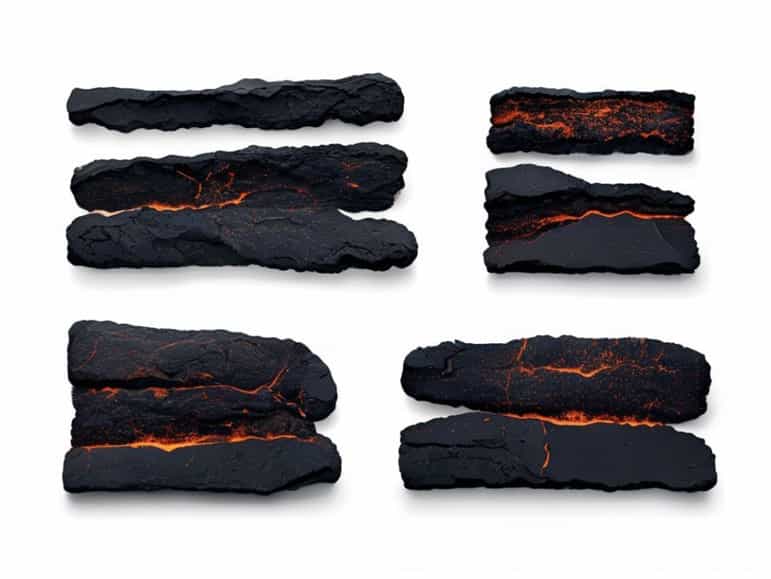
Basaltic lava flows are one of the most common and recognizable volcanic formations on Earth. When basaltic lava erupts from a volcano, it spreads over large areas, cooling and solidifying to create distinct layers. Over time, repeated eruptions build multiple layers of basalt, forming complex geological structures. These layers not only reveal the history of volcanic activity but also influence the landscape, soil fertility, and natural resources of an area. Understanding the forms created by layers of basaltic lava provides insight into volcanic processes, rock formation, and the evolution of Earth’s surface.
Characteristics of Basaltic Lava
Basaltic lava is mafic, meaning it is rich in magnesium and iron, and typically has low viscosity compared to other lava types. This low viscosity allows it to flow over great distances before solidifying, forming broad and relatively thin layers. Key characteristics include
- High temperatureBasaltic lava erupts at temperatures between 1100°C and 1250°C.
- FluidityIts low viscosity enables it to travel far from the eruption site, covering wide areas.
- Dark colorBasaltic lava is usually dark gray to black due to its mineral composition.
- Low gas contentThis contributes to the relatively gentle nature of basaltic eruptions compared to more explosive volcanic types.
Formation of Basaltic Lava Layers
The layering of basaltic lava occurs through repeated eruptions over long periods. Each eruption deposits a new flow of lava, which cools and solidifies on top of the previous layer. The cooling rate and environmental conditions determine the texture and thickness of each layer. Typically, layers range from a few centimeters to several meters thick, and in some volcanic regions, sequences of basalt layers can reach hundreds of meters in total thickness.
Pahoehoe and Aa Lava
Basaltic lava can form different surface textures, which also affect how layers are built
- Pahoehoe lavaSmooth, rope-like surfaces form when lava flows slowly and cools gradually.
- Aa lavaRough, jagged surfaces form when lava flows faster, breaking into blocks as it cools.
Both types of lava contribute to layered structures, with pahoehoe forming thinner, smoother layers and aa forming thicker, rougher layers. These textures often alternate in a sequence of basaltic flows, revealing changes in eruption dynamics over time.
Geological Forms Created by Layered Basaltic Lava
Layered basaltic lava can create a variety of geological forms, depending on eruption style, topography, and cooling conditions. Some common forms include
1. Lava Plateaus
Lava plateaus are large, flat areas formed by successive flows of basaltic lava. These plateaus can cover hundreds of square kilometers and often have remarkably uniform thickness due to the fluid nature of basaltic lava. Famous examples include the Columbia Plateau in the United States and the Deccan Traps in India. The flat surfaces of lava plateaus are a direct result of overlapping basaltic layers.
2. Columnar Jointing
When thick layers of basaltic lava cool slowly, they can contract and fracture, forming columnar joints. These hexagonal or polygonal columns are a distinctive feature of basalt formations and occur due to thermal contraction during cooling. Columnar jointing is seen in formations like the Giant’s Causeway in Northern Ireland and Devils Postpile in California.
3. Lava Tubes
Lava tubes are tunnels formed when the surface of a flowing basaltic lava layer cools and solidifies while the molten lava beneath continues to flow. Once the lava drains away, hollow tubes remain. Lava tubes can extend for several kilometers and often form in sequences of basaltic lava layers, creating complex underground networks.
4. Escarpments and Cliffs
Layered basaltic lava can produce steep cliffs or escarpments where erosion exposes the vertical sequence of layers. Differences in cooling rates and mineral composition between layers create variations in hardness, influencing how they erode. These cliffs often display striking patterns of horizontal lines, clearly showing the layered structure of past eruptions.
Environmental and Ecological Impacts
The presence of layered basaltic lava significantly impacts the environment. Volcanic soils derived from basalt are often fertile due to the high mineral content, supporting diverse plant and agricultural ecosystems. Additionally, the topography shaped by lava layers affects water drainage, creating natural reservoirs and influencing river systems. Ecosystems on basaltic formations adapt to the rocky terrain, with unique plant and animal species often thriving in these environments.
Studying Basaltic Lava Layers
Geologists study basaltic lava layers to understand volcanic history, eruption frequency, and the evolution of landscapes. Methods used in studying these layers include
- Field mappingObserving and recording layer sequences and textures in the field.
- Radiometric datingDetermining the age of each lava flow to construct a timeline of eruptions.
- Petrographic analysisExamining thin sections of basalt under microscopes to identify minerals and cooling patterns.
- Remote sensingUsing satellite imagery to identify large-scale lava plateaus and layer distributions.
Importance in Natural Resources
Layered basaltic lava formations are also important for natural resources. They can host groundwater reservoirs in porous layers and are mined for construction materials such as crushed stone and basalt slabs. Some basaltic regions also contain valuable minerals, including iron, magnesium, and titanium, extracted from volcanic rocks.
The forms created by layers of basaltic lava reveal the dynamic processes of volcanic activity and the evolution of Earth’s surface. From expansive lava plateaus to columnar joints and lava tubes, these formations showcase the diversity of geological structures that result from repeated basaltic eruptions. Studying these layers provides valuable information about volcanic history, mineral resources, and environmental impacts. The unique characteristics of basaltic lava, including its low viscosity and high temperature, play a key role in shaping landscapes and ecosystems, making layered basalt formations an essential area of study in geology and Earth science.