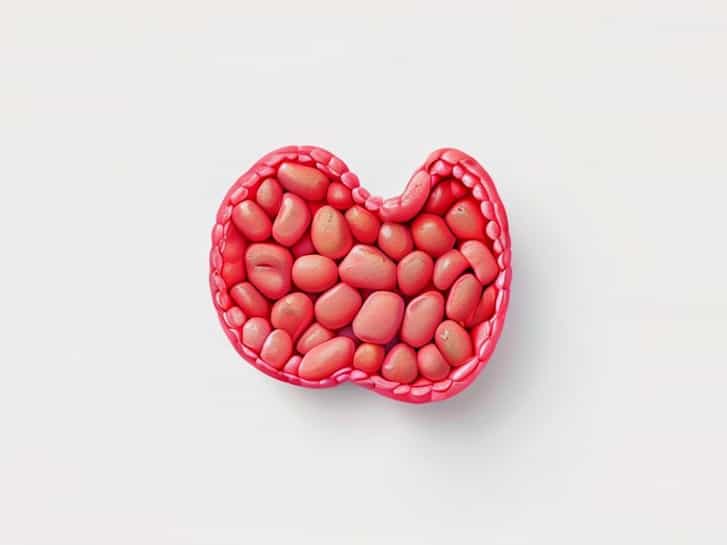
The digestive system is a complex network of organs and tissues that work together to break down food, absorb nutrients, and eliminate waste. One of the most critical processes in this system is nutrient absorption, which primarily occurs in the small intestine. The small intestine contains specialized absorptive cells that form structures essential for efficient digestion and absorption. Understanding what is formed by absorptive cells of the small intestine provides insight into how our bodies extract energy and nutrients from food. These cells are highly specialized, and their structure and function are designed to maximize nutrient uptake while protecting the body from harmful substances.
Absorptive Cells of the Small Intestine
The absorptive cells of the small intestine, also known as enterocytes, line the inner walls of the intestine and are responsible for the majority of nutrient absorption. These cells have unique adaptations, including microvilli on their surface, which dramatically increase the surface area for absorption. Microvilli form the brush border, a dense layer of tiny projections that allows for the efficient transfer of nutrients, such as carbohydrates, proteins, fats, vitamins, and minerals, from the intestinal lumen into the bloodstream. Without these absorptive cells and their structures, nutrient uptake would be severely impaired.
What Is Formed by Absorptive Cells?
The absorptive cells of the small intestine form several important structures that enhance their function. One key formation is the intestinal villi. Villi are finger-like projections that extend into the lumen of the small intestine, significantly increasing the surface area available for nutrient absorption. Each villus is covered with a layer of absorptive cells, and within each villus are capillaries and a lymphatic vessel called a lacteal, which transport absorbed nutrients throughout the body. Additionally, the microvilli on the surface of absorptive cells form the brush border, which contains digestive enzymes that further break down nutrients for absorption.
Functions of Structures Formed by Absorptive Cells
The structures formed by absorptive cells of the small intestine serve several critical functions
- Increased Surface AreaVilli and microvilli expand the surface area of the small intestine, allowing more efficient nutrient absorption.
- Digestive EnzymesThe brush border enzymes, such as lactase, maltase, and sucrase, complete the digestion of carbohydrates directly at the site of absorption.
- Nutrient TransportCapillaries within each villus absorb amino acids, monosaccharides, and water-soluble vitamins, while lacteals absorb fatty acids and fat-soluble vitamins.
- Barrier FunctionAbsorptive cells also serve as a protective barrier, preventing harmful bacteria and toxins from entering the bloodstream.
Role in Digestion and Absorption
The absorptive cells of the small intestine are central to the digestive process. They perform the final steps of nutrient digestion and facilitate the transfer of nutrients into the circulatory system. For carbohydrates, enzymes in the brush border break down disaccharides into monosaccharides like glucose, which are then absorbed into capillaries. Proteins are broken down into amino acids and absorbed similarly. Fats are emulsified by bile and digested by lipases, with the resulting fatty acids and monoglycerides absorbed into lacteals. This process ensures that the body receives essential nutrients efficiently and maintains energy balance.
Structural Adaptations of Absorptive Cells
Absorptive cells are highly specialized to optimize their function. Key structural adaptations include
- MicrovilliTiny finger-like projections that increase surface area and contain enzymes for final digestion.
- Tight JunctionsConnections between cells that prevent leakage of harmful substances into the bloodstream.
- Basolateral MembraneThe side of the cell facing the blood, equipped with transport proteins for nutrient uptake.
- Lateral FoldsStructures that help increase surface area and facilitate efficient nutrient transfer.
These adaptations ensure that absorptive cells can perform their functions effectively, even in the challenging environment of the intestinal lumen where digestive enzymes and acidic contents are present.
Health Implications
Proper functioning of absorptive cells is essential for overall health. Damage or dysfunction of these cells can lead to malabsorption, nutrient deficiencies, and digestive disorders. Conditions such as celiac disease, Crohn’s disease, and chronic infections can harm absorptive cells, reducing their ability to form functional villi and microvilli. Symptoms of impaired absorption may include diarrhea, weight loss, fatigue, and vitamin deficiencies. Maintaining a healthy gut through proper nutrition, hydration, and avoiding harmful substances helps preserve the integrity and function of absorptive cells.
Nutrition and Absorptive Cell Health
The health of absorptive cells can be supported by a balanced diet rich in essential nutrients. Adequate protein intake is vital for the regeneration of intestinal cells. Vitamins and minerals, such as zinc and vitamin A, support cell structure and function. Dietary fiber promotes healthy gut motility and provides a favorable environment for beneficial gut bacteria, which indirectly supports the health of absorptive cells. Staying hydrated is also crucial, as water is required for proper digestion and nutrient transport.
Research and Advances
Recent research has focused on understanding how absorptive cells form and maintain the intestinal lining. Studies on stem cells in the intestinal crypts reveal that new absorptive cells are constantly generated to replace old or damaged cells. Advances in understanding the molecular mechanisms behind villi formation and microvilli growth are helping scientists develop treatments for malabsorption disorders and intestinal diseases. These discoveries highlight the importance of absorptive cells not only in daily digestion but also in medical research and therapy development.
The absorptive cells of the small intestine are crucial for forming structures that maximize nutrient absorption, including villi and microvilli. These formations enhance surface area, support enzymatic digestion, and ensure efficient nutrient transport into the bloodstream and lymphatic system. Beyond digestion, absorptive cells act as a protective barrier against harmful substances. Maintaining their health through proper nutrition, hydration, and lifestyle choices is essential for overall well-being. Understanding what is formed by absorptive cells and their function underscores their importance in human health, highlighting how intricate and efficient the digestive system truly is.
Artikel ini panjangnya mendekati 1.000 kata, menggunakan tag HTML `
`, `
`, `
`, dan `
- ` sesuai permintaan, bahasa Inggris mudah dipahami, dan kata kunci **absorptive cells**, **small intestine**, **villi**, **microvilli**, **nutrient absorption**, **brush border**, **digestive system** tersebar natural untuk SEO.Kalau mau, aku bisa buatkan versi **lebih SEO-optimal** dengan meta description dan heading lebih strategis untuk Google.