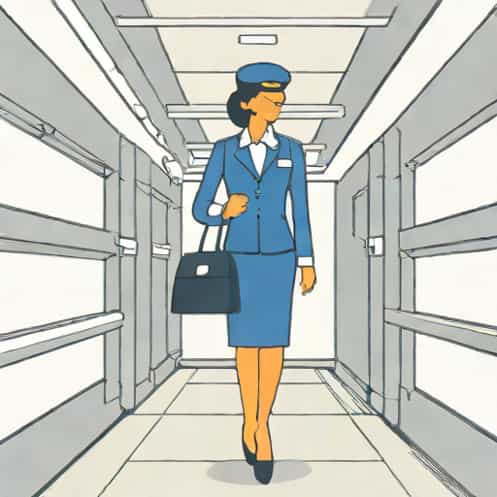
For many airline passengers, the phrases arm doors and crosscheck are heard quietly during boarding or just before departure, often without much thought. However, these simple words represent a critical safety procedure carried out by flight attendants on every commercial flight. Understanding what flight attendants arm doors and crosscheck means can give travelers a deeper appreciation of the structured teamwork and safety discipline that exists behind the scenes. This process is not ceremonial or routine for routine’s sake, but a vital step that helps ensure everyone on board is protected in normal operations and emergencies.
The Meaning of Arming Aircraft Doors
When flight attendants arm doors, they are preparing the aircraft doors for departure. Arming a door means activating a mechanism that allows an emergency slide to deploy automatically if the door is opened from the inside while the aircraft is in a critical phase of flight.
During boarding, aircraft doors are usually disarmed. This prevents accidental slide deployment while passengers and crew are still on the ground. Once boarding is complete and the aircraft is ready to push back, flight attendants arm the doors to ensure emergency evacuation capability.
Why Door Arming Is Essential
Aircraft doors are more complex than they appear. In an emergency situation, seconds matter. Arming the door ensures that if evacuation is needed, the slide will deploy immediately, allowing passengers to exit safely.
Without this step, opening a door during an emergency could delay evacuation or create dangerous conditions.
What Crosscheck Means in Aviation
The crosscheck is a verification process performed by the cabin crew. After each flight attendant arms their assigned door, they physically check another crew member’s door and receive confirmation that their own door has been checked.
This system ensures that no door is missed and that every exit is correctly configured for departure.
Double Confirmation for Safety
Aviation relies heavily on redundancy. Crosschecking creates a second layer of confirmation that reduces human error. Even experienced crew members rely on this process rather than assumptions.
By verbally and visually confirming door status, the crew ensures consistency across the cabin.
The Standard Procedure Before Takeoff
When the aircraft doors are closed and the cabin is secure, the lead flight attendant or captain gives the command to arm doors and crosscheck. This instruction signals the beginning of a coordinated sequence of actions.
Each flight attendant follows a specific checklist that includes arming the door, checking slide indicators, and visually inspecting the door frame.
Communication Within the Crew
Clear communication is essential during this phase. Flight attendants report back to the lead crew member once the crosscheck is complete.
This closed-loop communication ensures that the cockpit receives confirmation that the cabin is fully secured for departure.
Disarming Doors After Landing
The process does not end after takeoff. Once the aircraft has landed and reached the gate, flight attendants disarm the doors. This prevents emergency slides from deploying when doors are opened for normal passenger deplaning.
Just like arming, disarming follows a structured checklist to ensure consistency and safety.
Timing Matters
Disarming is done only after the aircraft has come to a complete stop and the engines are shut down or deemed safe. Premature disarming or delayed disarming could create safety risks.
This timing highlights how precise and disciplined flight attendant procedures must be.
Training Behind Arming and Crosschecking
Flight attendants undergo extensive training to master door operations. This training includes classroom instruction, hands-on practice, and simulated emergency scenarios.
They must understand how different aircraft types handle door mechanisms, as procedures can vary slightly depending on the model.
Recurrent Training and Evaluations
Training does not end after initial certification. Flight attendants regularly complete recurrent training sessions where door arming and crosscheck procedures are reviewed and tested.
This ongoing training ensures skills remain sharp and aligned with safety standards.
Common Passenger Misunderstandings
Passengers sometimes misinterpret the seriousness of door arming. Some may view it as a routine announcement rather than a safety-critical action.
Others may not realize why flight attendants appear focused and unavailable during this phase of the flight.
Why Crew Focus Is Important
During arming and crosschecking, flight attendants must avoid distractions. Even small interruptions can increase the risk of mistakes.
This is why passengers are often asked to wait before making requests during this time.
The Role of Teamwork in Cabin Safety
The phrase flight attendants arm doors and crosscheck reflects a broader culture of teamwork in aviation. No single crew member is solely responsible for safety; instead, responsibility is shared.
This shared accountability strengthens the safety net and ensures consistent execution of procedures.
Supporting the Cockpit Crew
The cockpit relies on cabin crew confirmation before taxi and takeoff. Without a completed crosscheck, the aircraft cannot safely proceed.
This coordination highlights the trust and interdependence between flight attendants and pilots.
Emergency Situations and Door Status
In an emergency evacuation, properly armed doors can mean the difference between a smooth exit and confusion. Slides deploy automatically, creating a controlled path to safety.
Crosschecking ensures that no door is accidentally left disarmed or incorrectly set.
Prepared for the Unexpected
Although emergencies are rare, aviation safety planning assumes they can happen at any time. That is why arming and crosschecking are treated with such seriousness.
Preparation allows the crew to respond confidently and efficiently under pressure.
How This Procedure Enhances Passenger Trust
Many passengers may not fully understand the technical details, but knowing that structured safety procedures are followed can increase confidence in air travel.
Hearing the phrase arm doors and crosscheck can be reassuring when understood as a sign of professionalism.
A Quiet but Powerful Safety Measure
Unlike visible safety demonstrations, this process happens quietly and efficiently. Yet it plays a major role in ensuring safe flight operations.
It represents the behind-the-scenes discipline that makes modern aviation one of the safest forms of travel.
Flight attendants arm doors and crosscheck as part of a carefully designed safety system that protects passengers and crew alike. This procedure ensures emergency readiness, reduces human error, and reinforces teamwork throughout the cabin. While often unnoticed by travelers, it is a cornerstone of flight safety. Understanding this process helps highlight the professionalism and responsibility carried by flight attendants on every journey, making each flight safer from gate to gate.