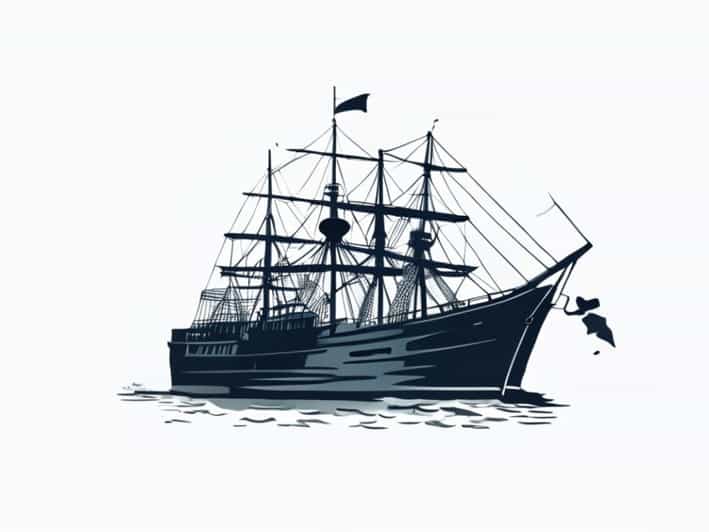
Lake Michigan is often associated with calm shorelines, busy ports, and scenic views, but beneath its surface lies a long and dramatic maritime history. Over centuries of trade, migration, and industrial growth, countless ships traveled its waters, and not all of them made it safely to shore. Storms, navigational errors, mechanical failures, and human mistakes have caused many vessels to sink, turning Lake Michigan into a silent graveyard of maritime stories. Among these wrecks are several famous ships that continue to capture public imagination and historical interest.
Lake Michigan as a Historic Shipping Route
Lake Michigan has played a vital role in North American transportation since the early days of exploration and settlement. It served as a critical route for fur trading, agriculture, timber, and later industrial goods. As traffic increased, so did the risks.
The lake’s unpredictable weather, strong currents, and sudden storms made navigation dangerous, especially before modern forecasting and navigation technology.
Why So Many Ships Sank
Many famous shipwrecks in Lake Michigan share common causes that explain why the lake earned its reputation for danger.
- Sudden and violent storms
- Shallow reefs and sandbars
- Poor visibility due to fog
- Mechanical failures in early steamships
- Human error and limited navigation tools
These factors combined to create conditions where even experienced captains could be caught off guard.
The SS Eastland One of the Most Notorious Tragedies
Among the most famous ships associated with Lake Michigan is the SS Eastland. While it technically capsized at a dock in the Chicago River, its story is inseparable from Lake Michigan’s maritime history.
In 1915, the passenger ship rolled onto its side while still tied to the dock, killing hundreds of people. Although it did not sink in open water, the disaster remains one of the deadliest maritime tragedies connected to the lake.
Lessons from the Eastland Disaster
The SS Eastland tragedy highlighted serious issues in ship design, safety regulations, and weight distribution.
It led to changes in maritime safety standards and passenger vessel inspections.
The Lady Elgin A Famous Shipwreck in Open Water
The Lady Elgin is one of the most famous ships that truly sank in Lake Michigan. This wooden-hulled passenger steamship went down in 1860 after colliding with another vessel during a storm.
The ship sank off the coast of Illinois, resulting in the loss of hundreds of lives. At the time, it was one of the worst maritime disasters on the Great Lakes.
Impact on Maritime Law
The sinking of the Lady Elgin raised questions about navigation rules and ship accountability.
It contributed to later reforms in maritime traffic control and safety practices.
The SS Carl D. Bradley A Giant Lost to the Lake
The SS Carl D. Bradley was once known as the Queen of the Lakes, a massive freighter that transported limestone across the Great Lakes.
In 1958, the ship broke apart during a powerful storm in Lake Michigan, sinking rapidly and taking most of its crew with it.
Why the Carl D. Bradley Still Matters
This shipwreck remains one of the most studied disasters due to the ship’s size and modern construction.
It demonstrated that even large steel vessels were vulnerable to the lake’s extreme conditions.
The Rouse Simmons The Christmas Tree Ship
The Rouse Simmons holds a special place in popular culture. Known as the Christmas Tree Ship, it transported holiday trees to Chicago every year.
In 1912, the ship sank during a winter storm in Lake Michigan, becoming a symbol of tradition, loss, and mystery.
A Story That Lives On
The tale of the Rouse Simmons has inspired songs, books, and local legends.
Its wreck was discovered decades later, confirming long-held stories about its fate.
The SS Wisconsin A Lesser-Known but Important Wreck
The SS Wisconsin was a steamship that sank after a collision in 1929. Although not as famous as other wrecks, it represents the dangers of crowded shipping lanes.
The wreck now lies preserved beneath Lake Michigan’s cold waters.
Preservation Beneath the Surface
Lake Michigan’s cold and freshwater environment helps preserve shipwrecks.
This makes the lake an underwater museum for historians and divers.
Why Lake Michigan Preserves Shipwrecks So Well
Unlike saltwater oceans, Lake Michigan’s freshwater environment slows corrosion.
Cold temperatures and low oxygen levels help keep wooden and steel ships intact for decades.
Archaeological Significance
Many famous ships that sank in Lake Michigan are remarkably well preserved.
This allows researchers to study ship design, cargo, and daily life aboard vessels.
Modern Exploration of Shipwrecks
Advances in sonar, underwater drones, and diving technology have led to new discoveries.
Previously lost ships are now being located and documented.
Responsible Exploration
Shipwrecks are protected cultural resources.
Exploration focuses on preservation rather than removal.
Famous Shipwrecks and Public Fascination
Stories of famous ships that sank in Lake Michigan continue to fascinate the public.
They combine human drama, mystery, and historical importance.
Why These Stories Endure
- They reflect human ambition and vulnerability
- They connect communities to local history
- They serve as reminders of nature’s power
Each shipwreck tells a unique story frozen in time.
The Role of Shipwrecks in Local Identity
Many coastal towns around Lake Michigan incorporate shipwreck history into museums and education.
This shared heritage strengthens regional identity.
Education and Tourism
Shipwreck trails and exhibits allow people to learn without disturbing sites.
They turn tragedy into historical awareness.
Lake Michigan is home to some of the most famous shipwrecks in North America, each representing a chapter in maritime history. From passenger steamships like the Lady Elgin to working freighters like the SS Carl D. Bradley, these vessels remind us of the risks faced by sailors and passengers alike.
The famous ships that sank in Lake Michigan are more than wrecks; they are stories preserved beneath the waves. Their legacy continues through research, remembrance, and respect for the lake that claimed them, ensuring that their lessons and history are never forgotten.