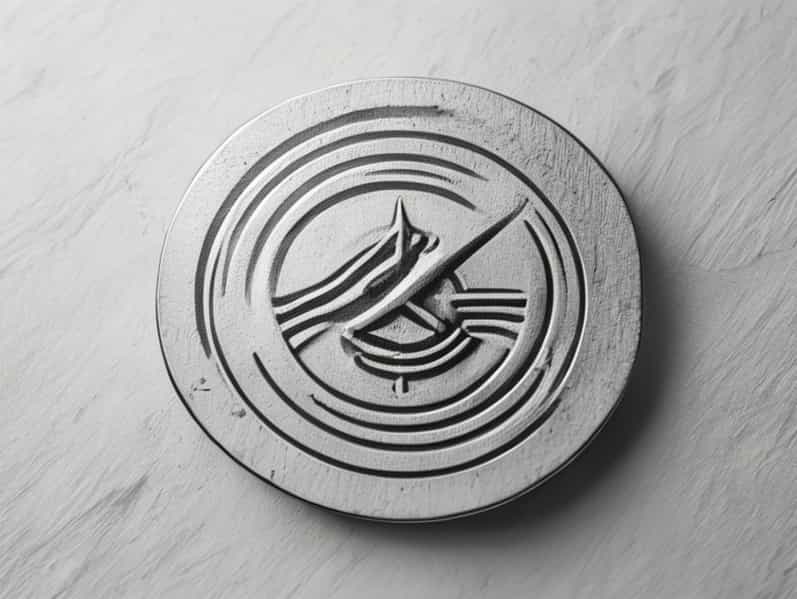
Engraving and etching are two artistic techniques that have been used for centuries to create images, decorations, and printed works on various surfaces. They are often mentioned together and sometimes confused because both involve carving or marking a surface to produce a design. However, despite their similarities, these methods differ in tools, processes, visual results, and historical uses. To explain the difference between engraving and etching clearly, it is helpful to explore how each technique works, where it originated, and why artists and craftsmen choose one over the other.
Historical Background of Engraving and Etching
Both engraving and etching developed as important techniques in art and printing, especially in Europe. Engraving has a longer history and was widely used in ancient civilizations for decorating metal, stone, and jewelry. It later became a key method for creating detailed images for books and official documents.
Etching appeared later, gaining popularity during the Renaissance. Artists appreciated etching because it allowed more freedom and a drawing-like quality. While both methods were used in printmaking, their approaches and artistic experiences differed significantly.
What Is Engraving?
Engraving is a technique in which an artist cuts lines directly into a hard surface using a sharp tool called a burin or graver. The process requires steady hands, strength, and precision. The artist physically removes material to create grooves that form the design.
Traditionally, engraving is done on metal surfaces such as copper, steel, or brass. The carved lines hold ink, which can then be transferred to paper during the printing process. Engraving is also used for decorative purposes on jewelry, trophies, and industrial parts.
Key Characteristics of Engraving
- Lines are cut directly into the surface
- Requires specialized tools and physical effort
- Produces clean, sharp, and precise lines
- Often used for detailed and formal designs
What Is Etching?
Etching is a technique that uses chemicals rather than direct cutting to create a design. In etching, a metal plate is coated with a protective layer called a ground. The artist draws through this layer with a needle, exposing the metal underneath.
The plate is then placed in an acid bath. The acid reacts with the exposed metal, eating away the lines drawn by the artist. After the acid process, the protective ground is removed, leaving etched lines in the metal surface.
Key Characteristics of Etching
- Lines are created using acid rather than cutting tools
- Allows more fluid and expressive drawing
- Requires less physical force than engraving
- Often used for artistic and experimental designs
Main Difference Between Engraving and Etching
The main difference between engraving and etching lies in how the lines are created. Engraving involves physically cutting into the surface, while etching relies on chemical reactions to form lines. This difference affects not only the technique but also the appearance and feel of the final artwork.
Engraving lines tend to be more controlled and uniform, while etched lines often have a softer, more spontaneous quality. These distinctions influence an artist’s choice depending on the desired outcome.
Tools and Materials Used
Engraving requires sharp metal tools designed to cut into hard surfaces. These tools must be handled carefully, as mistakes are difficult to correct. The process demands patience and experience.
Etching, on the other hand, uses simpler drawing tools such as needles, along with chemicals like acid. While safety precautions are necessary, many artists find etching more forgiving and flexible than engraving.
Artistic Style and Expression
Engraving is often associated with precision, discipline, and fine detail. It is commonly used for formal illustrations, currency, and official documents where accuracy is critical. The engraved lines have a polished and deliberate appearance.
Etching allows for a more natural, sketch-like quality. Artists can work more freely, creating expressive lines and textures. This makes etching popular among artists who prefer a more spontaneous approach.
Visual Differences
- Engraving produces crisp and controlled lines
- Etching results in varied and textured lines
- Engraving appears more structured
- Etching feels more organic and expressive
Learning Curve and Accessibility
Engraving is generally considered more difficult to learn. It requires training, practice, and strong hand control. Because the process is physically demanding and mistakes are hard to fix, beginners may find it challenging.
Etching is often seen as more accessible, especially for artists with a background in drawing. The ability to draw freely and rely on chemical processes makes etching appealing to beginners and experienced artists alike.
Uses Beyond Fine Art
Engraving has many practical applications beyond fine art. It is widely used in manufacturing, signage, jewelry making, and security printing. Its durability and precision make it ideal for permanent markings.
Etching is also used outside of art, particularly in electronics and industrial design. Chemical etching allows for precise patterns on metal components, making it useful in technical fields.
Durability and Printing Quality
Engraved plates are often more durable because the lines are physically cut deeper into the surface. This allows for longer print runs without significant wear.
Etched plates can wear down more quickly, especially if the lines are shallow. However, many artists accept this trade-off in exchange for the creative flexibility etching provides.
To explain the difference between engraving and etching, it is essential to understand both their technical and artistic distinctions. Engraving involves cutting directly into a surface, resulting in precise and controlled designs, while etching uses chemical processes to create more fluid and expressive lines. Each technique has its own strengths, challenges, and applications. By understanding these differences, artists and enthusiasts can better appreciate the unique qualities and historical significance of both engraving and etching.