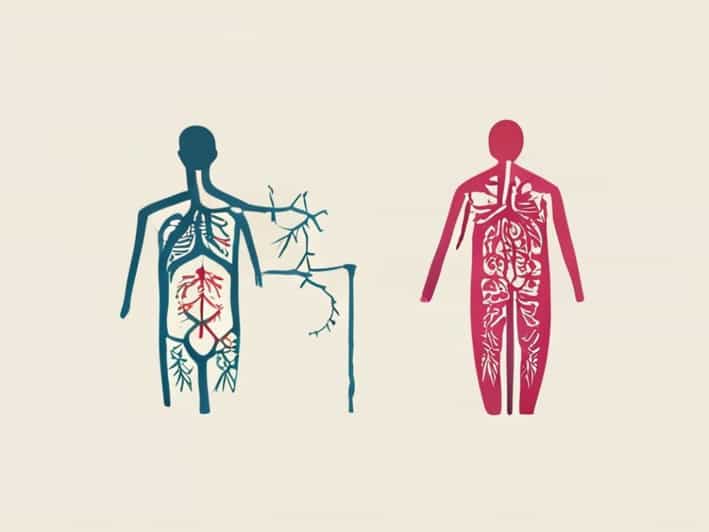
The human nervous system is a complex communication network that allows the body to sense, respond, and adapt to the world around it. Every movement, heartbeat, breath, and reflex depends on this system working properly. To make its vast responsibilities manageable, the nervous system is divided into several parts. Two of the most important divisions are the somatic nervous system and the autonomic nervous system. Understanding examples of somatic and autonomic nervous system functions helps explain how the body balances conscious control with automatic processes that keep us alive and functioning every day.
Overview of the Peripheral Nervous System
Both the somatic and autonomic nervous systems belong to the peripheral nervous system. This part of the nervous system connects the brain and spinal cord to muscles, organs, and sensory receptors throughout the body. Its main role is to carry information back and forth, ensuring coordination between the central nervous system and the rest of the body.
While these two systems work closely together, they differ in how they operate and what they control. The somatic nervous system is primarily responsible for voluntary actions and conscious sensations. In contrast, the autonomic nervous system regulates involuntary processes that occur without conscious thought.
The Somatic Nervous System Explained
The somatic nervous system controls skeletal muscles and processes sensory information such as touch, pain, temperature, and body position. It allows humans to interact intentionally with their environment. When you decide to move your arm, walk across a room, or speak, the somatic nervous system is responsible for carrying out those commands.
This system involves a relatively direct pathway. Signals travel from the brain or spinal cord through motor neurons to skeletal muscles. Because of this direct connection, responses are typically fast and precise.
Examples of Somatic Nervous System Functions
Examples of somatic nervous system activity are easy to observe in everyday life. These actions are usually voluntary, although some reflexes also involve somatic pathways.
- Walking, running, and jumping using leg muscles
- Writing with a pen or typing on a keyboard
- Lifting objects and adjusting grip strength
- Turning the head in response to a sound
- Feeling pain when touching a hot surface
Even reflex actions, such as pulling your hand away from a sharp object, involve the somatic nervous system. Although reflexes occur without conscious thought, they still activate skeletal muscles and rely on somatic motor neurons.
Sensory Role of the Somatic Nervous System
In addition to controlling movement, the somatic nervous system plays a major role in sensory perception. Sensory receptors in the skin, muscles, and joints send information to the brain about pressure, vibration, temperature, and body position. This feedback allows for smooth, coordinated movement and awareness of the body’s location in space.
For example, when walking on uneven ground, sensory input from the feet helps adjust balance and muscle tension automatically. Without this constant feedback, even simple movements would become difficult and unsafe.
The Autonomic Nervous System Explained
The autonomic nervous system controls internal organs, glands, and smooth muscle tissue. It regulates processes that occur automatically, without conscious effort. These include heart rate, digestion, breathing patterns, blood pressure, and body temperature.
Unlike the somatic nervous system, the autonomic nervous system uses a two-neuron pathway involving a preganglionic neuron and a postganglionic neuron. This structure allows for more nuanced and adjustable control of bodily functions.
Main Divisions of the Autonomic Nervous System
The autonomic nervous system is further divided into three main branches, each with distinct roles that often work in balance with one another.
- Sympathetic nervous system, responsible for stress and alert responses
- Parasympathetic nervous system, responsible for rest and recovery
- Enteric nervous system, responsible for digestive processes
These divisions ensure that the body can respond quickly to danger while also maintaining stability during calm conditions.
Examples of Autonomic Nervous System Functions
Examples of autonomic nervous system activity occur constantly, often without awareness. These processes are essential for survival and long-term health.
- Increasing heart rate during exercise or stress
- Regulating blood vessel diameter to control blood pressure
- Stimulating digestion after eating a meal
- Controlling pupil size in response to light
- Producing sweat to regulate body temperature
These actions happen automatically and continuously, adjusting to changes in the internal and external environment.
Sympathetic Nervous System in Action
The sympathetic nervous system prepares the body for situations that require alertness or physical effort. This is often described as the fight or flight response. When activated, it prioritizes functions that support immediate survival.
For example, during a stressful event, the sympathetic system increases heart rate, dilates airways, and redirects blood flow toward muscles. At the same time, it suppresses digestion and other non-essential activities.
Common examples of sympathetic nervous system responses include rapid heartbeat during fear, sweaty palms before a presentation, and increased breathing during intense physical activity.
Parasympathetic Nervous System in Daily Life
The parasympathetic nervous system promotes relaxation, energy conservation, and recovery. It is often referred to as the rest and digest system. When this system is active, the body focuses on maintenance and repair.
After eating, the parasympathetic system stimulates digestive enzymes, increases intestinal movement, and slows the heart rate. It also supports restorative processes such as sleep and immune function.
Examples include feeling calm after deep breathing, reduced heart rate during rest, and increased saliva production when smelling food.
Comparing Somatic and Autonomic Nervous System Examples
Although the somatic and autonomic nervous systems serve different purposes, they often work together. For instance, during exercise, the somatic nervous system controls muscle movement, while the autonomic nervous system adjusts heart rate, breathing, and blood flow to support physical activity.
The key difference lies in control and awareness. Somatic nervous system actions are mostly voluntary and consciously initiated. Autonomic nervous system responses are involuntary and occur automatically to maintain internal balance.
Why Understanding These Systems Matters
Learning about examples of somatic and autonomic nervous system functions helps explain many aspects of health and disease. Disorders affecting the somatic system may cause muscle weakness or loss of sensation, while autonomic dysfunction can disrupt heart rate, digestion, or blood pressure.
This knowledge is also useful in managing stress, improving physical performance, and understanding how lifestyle choices affect the body. Activities such as exercise, relaxation techniques, and sleep habits influence both systems in meaningful ways.
The somatic and autonomic nervous systems work together to support both conscious action and automatic regulation. Through clear examples, it becomes evident how the somatic nervous system enables intentional movement and sensory awareness, while the autonomic nervous system maintains vital internal functions. Together, they form a coordinated system that allows humans to interact with the world while keeping the body balanced, responsive, and resilient.