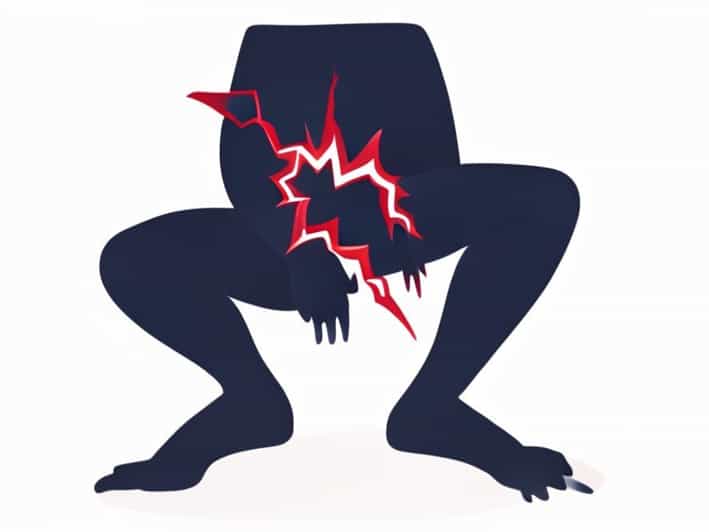
An electric shock feeling in the thigh when squatting can be surprising and uncomfortable, especially if it appears suddenly during daily movements or exercise. Many people describe it as a sharp, shooting, or tingling sensation that travels through the front, side, or back of the thigh. While it may only last a few seconds, the sensation often raises concern about nerve problems, muscle strain, or deeper structural issues. Understanding what might be happening inside the body can help reduce anxiety and guide the right next steps.
What Does an Electric Shock Sensation in the Thigh Mean?
An electric shock feeling usually points to nerve involvement rather than a simple muscle ache. Nerves transmit electrical signals, so when they are irritated, compressed, or stretched, the sensation can feel like a jolt, zap, or sudden tingling. When this feeling happens specifically while squatting, it suggests that a certain position or movement is putting pressure on a nerve pathway in the lower back, hip, or thigh.
This symptom can vary widely. Some people feel it only on one side, while others experience it in both thighs. It may appear deep inside the thigh or closer to the skin. Paying attention to the exact location, intensity, and frequency can provide useful clues about the underlying cause.
Common Causes of Electric Shock Feeling in Thigh When Squatting
Nerve Compression or Irritation
One of the most common causes is nerve compression. Squatting involves bending the hips and knees, which can temporarily narrow spaces where nerves travel. If a nerve is already sensitive, this movement can trigger an electric shock feeling in the thigh. Compression may occur in the lower spine, pelvis, or even along the thigh itself.
Sciatica and Lumbar Spine Issues
Sciatica is a well-known condition involving irritation of the sciatic nerve, which runs from the lower back down through the hips and thighs. While sciatica often affects the back of the thigh, some people feel sharp, electric sensations during movements like squatting. Disc bulges, herniated discs, or spinal stiffness can make this sensation more noticeable when bending.
Meralgia Paresthetica
Meralgia paresthetica occurs when the lateral femoral cutaneous nerve is compressed, usually near the hip. This nerve supplies sensation to the outer thigh. Squatting can increase pressure in this area, leading to burning, tingling, or electric shock sensations along the side of the thigh. Tight clothing, weight gain, or repetitive movements may increase the risk.
Femoral Nerve Involvement
The femoral nerve runs through the front of the hip and thigh. When irritated, it can cause sharp or electric pain in the front of the thigh, especially during hip flexion like squatting. Muscle tightness, past injuries, or prolonged sitting can contribute to femoral nerve irritation.
Muscle Tightness and Trigger Points
Tight muscles do not directly cause electric sensations, but they can press on nearby nerves. Tight hip flexors, quadriceps, or gluteal muscles may alter movement patterns and increase nerve sensitivity. Trigger points within muscles can sometimes refer pain that feels sudden and sharp.
Previous Injuries or Scar Tissue
Old injuries in the lower back, hip, or thigh can leave behind scar tissue. This tissue may restrict normal nerve movement. When squatting, the nerve may be stretched or pulled slightly, creating a brief electric shock feeling.
Why Squatting Triggers the Sensation
Squatting is a complex movement that involves coordinated action of the hips, knees, ankles, and spine. As you lower your body, the hips flex and the spine may round slightly. This change in posture can reduce space around nerves or increase tension along their path. If a nerve is already compromised, the squatting position can be enough to trigger symptoms.
Depth also matters. Deep squats place more demand on hip mobility and spinal flexibility. Poor form, limited flexibility, or fatigue can further increase stress on nerves during this movement.
When to Be Concerned
An occasional electric shock feeling in the thigh when squatting is not always serious. However, certain signs suggest that medical evaluation is important
- Persistent or worsening electric shock sensations
- Numbness or weakness in the leg
- Pain that radiates from the lower back into the thigh
- Loss of balance or difficulty walking
- Symptoms that interfere with daily activities or sleep
These signs may indicate a more significant nerve issue that should not be ignored.
How Doctors Evaluate This Symptom
Medical evaluation usually begins with a detailed history and physical examination. A doctor may ask when the electric shock feeling started, what movements trigger it, and whether there are other symptoms like back pain or numbness. Physical tests can help identify nerve tension or muscle imbalances.
In some cases, imaging studies such as X-rays or MRI scans are used to look at the spine and surrounding structures. Nerve conduction studies may also be considered if nerve damage is suspected.
Treatment Options and Relief Strategies
Activity Modification
Reducing or temporarily avoiding movements that trigger the electric shock feeling can help calm irritated nerves. Adjusting squat depth, slowing down movements, or improving form may reduce symptoms.
Stretching and Mobility Work
Gentle stretching of the hips, thighs, and lower back can improve flexibility and reduce pressure on nerves. Consistent mobility exercises may help prevent the sensation from returning.
Strengthening and Posture Improvement
Strengthening core and hip muscles supports better movement patterns. Improved posture during daily activities and exercise reduces unnecessary strain on the spine and nerves.
Medical Treatment
If symptoms persist, treatment may include physical therapy, pain-relieving medications, or targeted injections to reduce inflammation around affected nerves. In rare cases, surgical intervention may be considered when structural compression is severe.
Prevention Tips for the Future
Preventing an electric shock feeling in the thigh when squatting often involves maintaining good overall movement health. Warm up properly before exercise, avoid sudden increases in training intensity, and pay attention to early warning signs from the body. Wearing comfortable clothing, maintaining a healthy weight, and taking breaks from prolonged sitting can also reduce nerve stress.
Listening to Your Body
The body often sends signals before a bigger problem develops. An electric shock sensation in the thigh during squatting is one such signal. While it does not always mean something serious, it should not be dismissed if it keeps happening. With proper attention, movement adjustments, and professional guidance when needed, most people can manage this symptom effectively and continue their activities with confidence.