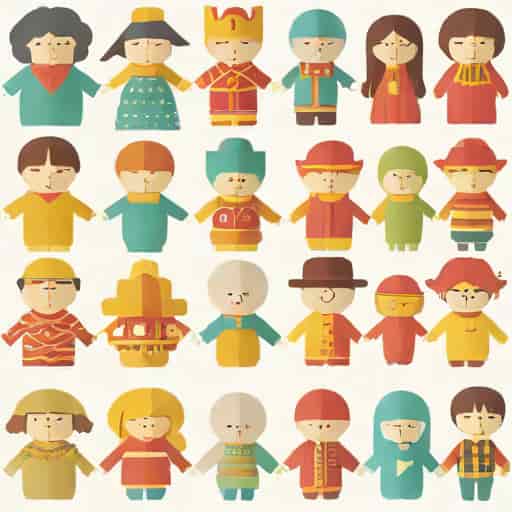
Dolls and puppets have long been a vital part of human culture, serving as both toys and tools for artistic expression. Across history, they have played roles in education, storytelling, rituals, and entertainment. Today, the intersection of contemporaneity and tradition in dolls and puppets is fascinating, as modern innovations meet time-honored techniques. This dynamic interaction not only preserves cultural heritage but also pushes the boundaries of artistic creativity. Understanding how dolls and puppets function in both traditional and contemporary contexts helps illuminate their enduring significance in society.
Historical Background of Dolls and Puppets
Traditional Dolls
Traditional dolls have existed for thousands of years, often reflecting the social and cultural environment of their time. They were typically handmade using natural materials like wood, clay, cloth, and straw. In many cultures, dolls served educational purposes, teaching children about family roles, customs, or domestic skills. Beyond play, they also held ritualistic or symbolic significance. For example, in Japan, hina dolls are used during the Hina Matsuri festival to promote the well-being of girls, while in Native American cultures, dolls could represent spiritual or ancestral figures.
Traditional Puppetry
Puppetry, like dolls, has ancient roots, with forms appearing in various parts of the world. Shadow puppets in Southeast Asia, marionettes in Europe, and rod puppets in Africa all served as entertainment while conveying cultural stories and moral lessons. Puppets allowed performers to dramatize narratives in a visually captivating manner, often teaching lessons or preserving folklore. Traditional puppetry was also closely tied to community events, festivals, and theatrical performances.
The Role of Dolls and Puppets in Contemporary Culture
Modern Dolls
In contemporary culture, dolls have evolved to include mass-produced plastic versions, designer collectibles, and interactive electronic figures. Popular doll lines like Barbie, American Girl, and Blythe reflect current societal trends and often include narratives around empowerment, diversity, and creativity. The production techniques have shifted to incorporate advanced materials and technology, allowing for articulation, realistic features, and even digital interaction. Contemporary dolls also engage collectors, hobbyists, and enthusiasts, turning them into objects of both nostalgia and modern artistry.
Contemporary Puppetry
Modern puppetry has expanded beyond traditional theater into multimedia and experimental art. Puppeteers now integrate animation, digital projections, and robotics to enhance performances. This evolution allows for more complex storytelling and the blending of traditional techniques with modern aesthetics. Contemporary puppetry is not limited to entertainment but can address social issues, education, and performance art, highlighting the medium’s adaptability and cultural relevance.
Interplay Between Tradition and Innovation
Preservation of Traditional Techniques
Even as dolls and puppets evolve, preserving traditional crafting methods remains essential. Artisans continue to use hand-carving, sewing, and painting techniques passed down through generations. These methods honor cultural heritage, maintain artistic authenticity, and provide a tactile connection to history. Workshops and cultural institutions often teach these techniques to new generations, ensuring that traditional skills are not lost.
Integration with Modern Technologies
Contemporary creators often combine traditional methods with modern technologies to create innovative dolls and puppets. 3D printing, electronic components, and programmable robotics allow for new forms of articulation, interactivity, and storytelling. This integration enhances the expressive potential of the medium while keeping the spirit of craftsmanship alive. For example, puppets in contemporary theater may use motorized mechanisms alongside hand manipulation, blending old and new methods seamlessly.
Cultural Significance and Storytelling
Educational Uses
Both traditional and modern dolls and puppets serve educational purposes. They can teach children about history, culture, and moral values, or help in therapeutic settings. Puppetry, for instance, is often used in classrooms to engage students in storytelling, language development, and social-emotional learning. Dolls, with their evolving narratives, also promote creativity, empathy, and cultural awareness.
Artistic Expression
Dolls and puppets function as artistic mediums that allow creators to explore visual design, character development, and performance. Artists use them to experiment with form, color, and movement, producing works that range from whimsical toys to complex performance pieces. The combination of traditional handcrafting and contemporary innovation results in unique creations that bridge past and present.
Challenges Facing the Field
Commercialization
The mass production of dolls and puppets has led to concerns about the loss of artisanal craftsmanship. Factory-made items prioritize uniformity and cost-efficiency over cultural authenticity and individuality. This trend can overshadow traditional handmade creations, making it harder for small-scale artisans to sustain their craft.
Changing Cultural Interests
Modern entertainment options such as digital games, streaming media, and virtual reality have shifted attention away from traditional playthings. Children and audiences may engage less with handcrafted dolls or puppets, preferring interactive and digital experiences. This change impacts the demand for both traditional toys and live puppetry performances.
Preservation and Knowledge Transfer
Passing down traditional techniques is increasingly challenging. Many skilled artisans are aging, and younger generations may not pursue the trade due to economic pressures or changing interests. Without proper preservation efforts, essential skills and cultural narratives embedded in dolls and puppets risk being lost.
Strategies for Sustaining Tradition in Modern Contexts
- Educational programs Schools, workshops, and cultural centers can teach traditional crafting methods alongside modern techniques.
- Collaborative projects Artists and technologists can collaborate to create hybrid dolls and puppets that merge tradition and innovation.
- Public exhibitions Museums and galleries showcasing both historical and contemporary dolls and puppets raise awareness and appreciation.
- Community engagement Festivals, performances, and markets can sustain interest in puppetry and traditional dolls as living cultural practices.
- Collector support Encouraging collectors to value handmade and culturally significant dolls promotes economic sustainability for artisans.
Dolls and puppets represent a dynamic intersection of tradition and contemporaneity, reflecting both historical craftsmanship and modern innovation. Traditional techniques preserve cultural heritage, while contemporary adaptations expand creative possibilities and relevance in today’s world. Despite challenges such as commercialization, changing interests, and the potential loss of artisanal knowledge, ongoing preservation and innovation efforts ensure that these art forms continue to thrive. From educational tools and cultural artifacts to performance art and collectibles, dolls and puppets maintain their significance, offering a bridge between the past and present. By valuing both their historical roots and contemporary applications, society can continue to enjoy and celebrate the richness, creativity, and cultural depth embodied in these enduring forms of expression.