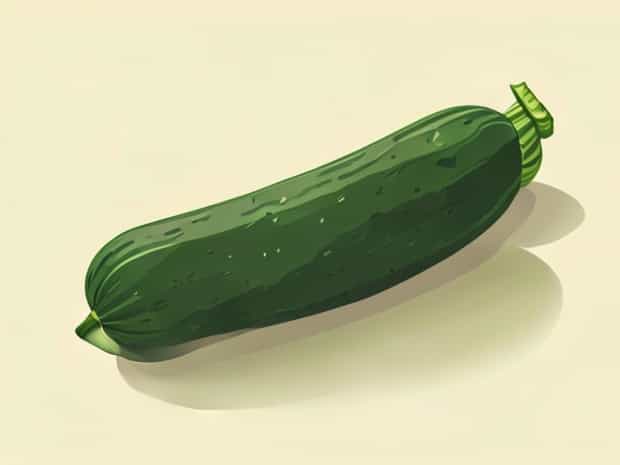
Zucchini is a versatile vegetable that is widely used in various cuisines, from sautés and stir-fries to baked dishes and pasta alternatives. When preparing zucchini, many home cooks wonder whether it needs to be peeled. This question is common because peeling can affect texture, flavor, and nutritional content. Understanding when and why to peel zucchini, as well as the benefits of keeping the skin intact, can enhance both the taste and healthfulness of your dishes. The decision often depends on the size, freshness, and intended preparation of the zucchini, making it important to know the nuances of this green vegetable.
Understanding Zucchini and Its Skin
Zucchini, also known as courgette in some regions, is a summer squash that belongs to the gourd family. It is typically harvested when immature, which results in a tender, edible skin that is thin and rich in nutrients. The skin contains dietary fiber, antioxidants, and vitamins such as vitamin C and beta-carotene, which contribute to both flavor and health benefits. Leaving the skin on can provide a slight crunch and vibrant color, enhancing the visual appeal of dishes.
When to Peel Zucchini
While zucchini skin is generally edible, there are certain scenarios where peeling may be preferred
- Large or mature zucchiniOlder zucchini may have thicker skin that is tougher and less palatable. Peeling helps improve texture in cooked dishes.
- Recipes requiring smooth textureSome soups, sauces, or purees benefit from peeled zucchini to achieve a creamy consistency without any fibrous texture.
- Bitterness concernsOccasionally, the skin of larger zucchini can have a slightly bitter taste, which peeling can mitigate.
- Presentation purposesFor certain elegant dishes or zucchini ribbons, peeled zucchini can provide a uniform and refined appearance.
When to Leave the Skin On
In most cases, the zucchini skin should be left on to maximize nutrition and flavor. The skin adds color, texture, and a subtle freshness to dishes. Here are some situations where leaving the skin intact is ideal
- Small, tender zucchiniYoung zucchinis have delicate skin that is barely noticeable when cooked.
- Sautéed or roasted dishesSkin provides extra texture and retains moisture during cooking.
- Grilled zucchiniThe skin helps hold slices together and enhances visual appeal with grill marks.
- Quick cooking methodsStir-frying or steaming small zucchinis benefits from skin left on for faster preparation and added nutrients.
Nutritional Advantages of Zucchini Skin
Keeping the skin on zucchini enhances the nutritional profile of your meal. The skin is rich in dietary fiber, which supports digestion and helps maintain satiety. It also contains antioxidants such as carotenoids and polyphenols, which protect cells from oxidative stress. Additionally, the skin provides vitamins like vitamin C, potassium, and magnesium, contributing to overall health. By peeling zucchini unnecessarily, you may lose a significant portion of these beneficial compounds.
Preparing Zucchini for Cooking
Whether you choose to peel or leave the skin on, proper preparation is essential. Wash the zucchini thoroughly under cold running water to remove any dirt, pesticides, or residues. For peeled zucchini, use a vegetable peeler or knife to remove the skin in thin strips. If leaving the skin intact, simply trim the ends and slice according to your recipe. Uniform slicing ensures even cooking, whether roasting, sautéing, or steaming.
Cooking Techniques and Skin Considerations
The decision to peel zucchini also depends on the cooking method
Sautéing and Stir-Frying
For quick-cooked dishes, the skin is generally left on. It provides slight resistance and texture, adding to the dish’s complexity. Cut zucchini into thin rounds, sticks, or half-moons to ensure even cooking.
Roasting and Grilling
The skin helps zucchini retain shape and moisture. Roasted or grilled zucchini with skin develops a slightly caramelized flavor, enhancing natural sweetness. Light brushing with olive oil and seasoning creates a flavorful exterior without the need for peeling.
Soups and Purees
In soups, sauces, or purees, peeling may be preferred for a smoother texture. For example, zucchini soup or creamy zucchini pasta sauce benefits from peeled zucchini to avoid fibrous or chunky bits. Cooking peeled zucchini also allows it to break down more uniformly during blending.
Baking
Zucchini bread, muffins, and other baked goods often do not require peeling. Grated zucchini, skin and all, adds moisture and subtle color to the batter. Peeling may be done if the zucchini is very large and the skin is tough, but generally small to medium zucchinis are ideal for baking with skin intact.
Common Questions About Zucchini Peeling
Does peeling affect taste?
Peeling can slightly reduce the vegetable’s freshness and subtle green flavor. The skin contains aromatic compounds that contribute to the overall taste, so leaving it on usually enhances flavor.
Is zucchini skin safe to eat?
Yes, zucchini skin is safe and nutritious. Washing thoroughly is sufficient to remove any potential contaminants. Organic zucchini may have fewer residues, but proper cleaning is always recommended.
What about baby zucchinis?
Baby or small zucchinis have tender, thin skin and do not need peeling. They are excellent for quick cooking, roasting, and even eating raw in salads.
Tips for Using Zucchini Efficiently
- Choose zucchini that are firm and free from blemishes for the best flavor and texture.
- Use a vegetable peeler sparingly, only when necessary for texture or recipe requirements.
- Incorporate both peeled and unpeeled zucchini in dishes for a variety of textures and colors.
- Store unpeeled zucchini in the refrigerator for up to a week to maintain freshness.
- Experiment with slicing methods ribbons, cubes, or rounds to best complement your cooking technique.
So, does zucchini need to be peeled? The answer largely depends on the size, maturity, and intended use of the zucchini. Small, tender zucchinis are best left unpeeled to retain nutrients, texture, and flavor. Larger or older zucchinis may benefit from peeling to reduce toughness and potential bitterness. Whether you are sautéing, roasting, grilling, or baking, understanding when to peel and when to leave the skin on can enhance both the taste and nutritional value of your dishes. Proper washing, slicing, and cooking techniques ensure that zucchini adds both color and flavor to your meals, making it a versatile and healthy ingredient for any kitchen.