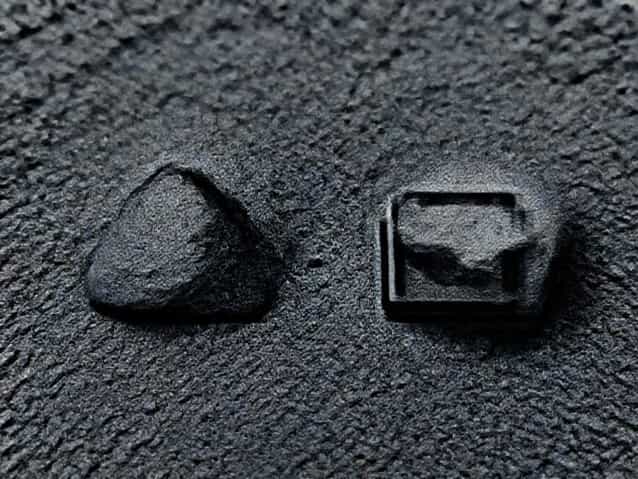
Coal is one of the most important sources of energy used worldwide for electricity generation, industrial processes, and heating. Among the different types of coal, bituminous coal and lignite are two of the most commonly used varieties. Although both are fossil fuels, they have significant differences in terms of carbon content, energy output, moisture level, and industrial applications. Understanding the distinctions between bituminous coal and lignite is essential for energy planners, engineers, and environmental scientists who aim to use coal efficiently while minimizing environmental impact.
Overview of Coal Types
Coal is classified based on its carbon content, energy density, and physical properties. The main types of coal include anthracite, bituminous, sub-bituminous, and lignite. Bituminous coal and lignite fall in the middle and lower end of the coal rank spectrum. Their differences in formation, chemical composition, and practical uses make them suitable for different purposes. The classification also influences environmental concerns, including emissions and pollution levels.
Formation and Characteristics of Bituminous Coal
Bituminous coal is a relatively high-grade coal that forms from the transformation of sub-bituminous coal under increased pressure and temperature over millions of years. It is darker, harder, and denser compared to lignite. Bituminous coal contains a higher carbon content, typically ranging from 45% to 86%, which gives it a higher calorific value and makes it suitable for industrial applications.
- Higher carbon content (45%-86%)
- Lower moisture content than lignite
- Dense and hard texture
- High energy output per unit weight
Formation and Characteristics of Lignite
Lignite, often called brown coal, is a lower-grade coal that forms at shallower depths and under less heat and pressure. It has a higher moisture content and lower carbon percentage, typically between 25% and 35%, resulting in a lower calorific value. Lignite is softer and less dense than bituminous coal, which affects its handling and storage. Due to its characteristics, lignite is mainly used for electricity generation in power plants located near the coal mines.
- Lower carbon content (25%-35%)
- High moisture content (30%-70%)
- Soft and crumbly texture
- Lower energy output per unit weight
Differences in Energy Content
The energy content of coal is a critical factor in determining its efficiency as a fuel source. Bituminous coal has a higher calorific value compared to lignite, meaning it produces more heat per kilogram when burned. This makes bituminous coal more suitable for industrial processes that require sustained, high-intensity heat, such as steel production and cement manufacturing. Lignite, on the other hand, has a lower energy density, which makes it less efficient for transportation over long distances but still valuable for nearby power generation.
Calorific Value Comparison
- Bituminous coal 24-35 MJ/kg
- Lignite 10-20 MJ/kg
The difference in calorific value also impacts fuel consumption. Power plants using lignite need to burn a larger quantity to achieve the same energy output as plants using bituminous coal, which can increase operational costs and emissions.
Moisture and Volatile Matter
Another key distinction between bituminous coal and lignite is moisture content and volatile matter. Lignite contains a high percentage of moisture, often exceeding 50%, which reduces its combustion efficiency. The high moisture content requires additional energy to evaporate the water before the coal can burn effectively. Bituminous coal has lower moisture levels, making it easier to ignite and more energy-efficient.
- Lignite High moisture content reduces combustion efficiency.
- Bituminous coal Low moisture content allows higher thermal efficiency.
- Volatile matter is also higher in lignite, affecting flame stability during combustion.
Industrial Applications
The different physical and chemical properties of bituminous coal and lignite make them suitable for different industrial uses. Bituminous coal is commonly used in metallurgical processes, including coke production for steel manufacturing. Its higher carbon content and energy output make it ideal for applications that require strong, consistent heat. Lignite, with its lower energy density and higher moisture content, is mainly used in electricity generation, especially in power plants located close to lignite mines.
- Bituminous coal Steel production, cement manufacturing, high-efficiency power plants
- Lignite Local electricity generation, low-temperature industrial boilers
Environmental Considerations
Environmental impact is an important factor when distinguishing between bituminous coal and lignite. Lignite combustion produces more carbon dioxide per unit of energy due to its lower carbon content and higher moisture. It also generates higher amounts of particulate matter and pollutants, which requires efficient emission control technologies. Bituminous coal, while cleaner in comparison, still produces significant emissions, but its higher energy content means less coal needs to be burned for the same energy output.
- Lignite Higher emissions, increased environmental footprint
- Bituminous coal Lower emissions per unit of energy, but still significant
Storage and Handling Differences
The physical differences between bituminous coal and lignite also influence storage and handling practices. Lignite’s high moisture content makes it prone to spontaneous combustion and easier crumbling, requiring careful storage in covered or ventilated areas. Bituminous coal is more stable, easier to transport, and less susceptible to spontaneous ignition, allowing greater flexibility in logistics.
- Lignite Needs specialized storage to prevent moisture loss and spontaneous combustion
- Bituminous coal More stable, easier transport and handling
In summary, bituminous coal and lignite differ significantly in carbon content, energy output, moisture levels, physical texture, industrial applications, environmental impact, and storage requirements. Bituminous coal is a higher-grade fuel with higher energy density, lower moisture content, and broader industrial applications. Lignite, being a lower-grade coal with high moisture content and lower calorific value, is mainly used for local power generation. Understanding these differences is essential for energy planning, industrial use, and environmental management, ensuring that the right type of coal is used for specific purposes while minimizing costs and ecological impact.