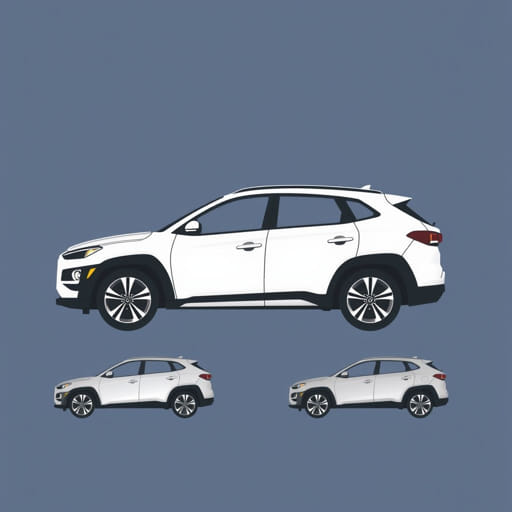
Hyundai Tucson has become one of the most popular compact SUVs globally, thanks to its stylish design, advanced features, and competitive pricing. Over the years, Hyundai has released various Tucson models and trims, each offering different specifications, technologies, and powertrain options. Understanding the difference between Hyundai Tucson models is essential for anyone considering a purchase or looking to compare vehicles based on performance, comfort, safety, or value. Whether you’re interested in the base model, a hybrid version, or a fully loaded trim, each Tucson variant serves a specific type of driver.
Overview of Hyundai Tucson Model Variants
The Hyundai Tucson is typically available in several trims and configurations. While names and specifications may vary slightly depending on the market and year, the most common model designations include:
- Hyundai Tucson SE (Base Model)
- Hyundai Tucson SEL
- Hyundai Tucson N Line
- Hyundai Tucson Limited
- Hyundai Tucson XRT (Outdoor-Themed Trim)
- Hyundai Tucson Hybrid
- Hyundai Tucson Plug-In Hybrid (PHEV)
Each of these models offers a different combination of performance, design elements, technology, and pricing, tailored to suit varying customer needs and preferences.
Performance and Engine Differences
Gasoline Engine Options
Most non-hybrid Hyundai Tucson models come equipped with a 2.5-liter 4-cylinder engine that produces around 187 horsepower and is mated to an 8-speed automatic transmission. This powertrain is common in SE, SEL, XRT, and Limited trims.
The N Line shares the same engine but adds sportier tuning, suspension upgrades, and performance-inspired styling to attract drivers who want a more dynamic feel.
Hybrid and Plug-in Hybrid Powertrains
- Tucson Hybrid: Combines a 1.6-liter turbocharged engine with an electric motor for a total of 226 horsepower. It offers improved fuel efficiency and comes with a 6-speed automatic transmission.
- Tucson Plug-In Hybrid: Features the same 1.6-liter turbo engine but paired with a more powerful electric motor and larger battery, delivering 261 combined horsepower. It also allows for limited all-electric driving range (typically around 30+ miles).
Both hybrid models come standard with all-wheel drive and are designed for eco-conscious drivers who still want SUV practicality.
Exterior Styling and Design Differences
Base and Mid-Level Trims
The SE and SEL trims focus on modern aesthetics with LED running lights, body-colored trim, and clean lines. SEL adds larger wheels and more chrome accents, giving it a slightly upscale appearance over the SE.
N Line and XRT Trims
- N Line: Emphasizes a sporty look with blacked-out exterior trim, unique front and rear bumpers, dual exhaust outlets, and exclusive 19-inch wheels.
- XRT: Targets adventure-seekers with rugged styling, black cladding, side steps, roof cross rails, and matte-black accents designed to give an off-road-ready appearance.
Limited Trim
The Limited model showcases the most premium design features, including upgraded LED projector headlights, a hands-free smart liftgate, chrome window trim, and larger alloy wheels. It’s the most refined version visually and comes with every available exterior upgrade.
Interior Features and Technology
Infotainment and Controls
- SE: 8-inch touchscreen, wireless Apple CarPlay and Android Auto, basic audio system.
- SEL: Adds SiriusXM, dual-zone automatic climate control, and additional USB ports.
- N Line and XRT: Step up with enhanced displays and premium materials.
- Limited: Features a 10.25-inch touchscreen with navigation, Bose premium audio, ventilated front seats, and a digital instrument cluster.
Interior Design and Comfort
The SE and SEL provide cloth seating and straightforward layouts, while N Line introduces sport seats with red stitching and leatherette trim. The XRT keeps a rugged, functional look, while the Limited model elevates luxury with leather seating surfaces, ambient lighting, and soft-touch dashboard materials.
Hybrid-Specific Features
Hyundai Tucson Hybrid and PHEV models often include features from the SEL Convenience Package or Limited trim, such as heated seats, navigation, and premium upholstery. They also feature hybrid system displays to show battery usage, regeneration, and fuel economy.
Safety and Driver Assistance
Hyundai offers a wide range of safety technologies under its Hyundai SmartSense suite. Availability varies depending on the model:
- SE: Includes Forward Collision-Avoidance Assist, Lane Keeping Assist, and Driver Attention Warning.
- SEL: Adds Blind-Spot Collision-Avoidance Assist and Rear Cross-Traffic Alert.
- Limited: Adds Remote Smart Parking Assist, Surround View Monitor, and Highway Driving Assist with adaptive cruise control and lane-centering.
Hybrid models often mirror the safety features of their gas-powered counterparts with the added benefit of regenerative braking systems, contributing to overall vehicle control and stopping performance.
Pricing and Value
Prices vary widely between Tucson models, depending on their features and powertrain. As of recent model years:
- SE: Typically the most affordable, starting around $27,000.
- SEL: Mid-tier pricing, starting around $29,000$31,000 depending on packages.
- XRT: Around $33,000 with rugged styling upgrades.
- N Line: About $34,000, offering a sporty alternative.
- Limited: Premium pricing at approximately $37,000$39,000.
- Hybrid: Starts around $33,000 with AWD standard.
- Plug-In Hybrid: Often priced above $40,000 but may be eligible for federal tax credits.
Buyers should consider their driving needs and preferred features when evaluating which Tucson model provides the best value. Hybrids offer long-term fuel savings, while higher trims give access to luxury-level amenities.
Choosing the Right Tucson Model
When deciding between Hyundai Tucson models, it’s important to consider lifestyle and priorities:
- SE: Ideal for budget-conscious drivers needing solid performance and safety.
- SEL: Best for those wanting a few more comfort and convenience features without a big price jump.
- N Line: Appeals to younger drivers or those seeking a sportier edge.
- XRT: Good for outdoor enthusiasts or those wanting a rugged look.
- Limited: Offers full luxury, top-tier tech, and comfort.
- Hybrid/PHEV: Perfect for environmentally conscious drivers or commuters looking to save on fuel.
The difference between Hyundai Tucson models lies in more than just price each variant serves a unique set of preferences, from basic functionality and efficiency to luxury, sportiness, or environmental responsibility. Whether you’re drawn to the affordability of the SE, the power of the hybrid, or the sophistication of the Limited, the Tucson lineup provides something for nearly every type of driver. Evaluating each model’s engine, features, styling, and pricing helps ensure you choose the Tucson that best fits your lifestyle and driving habits.