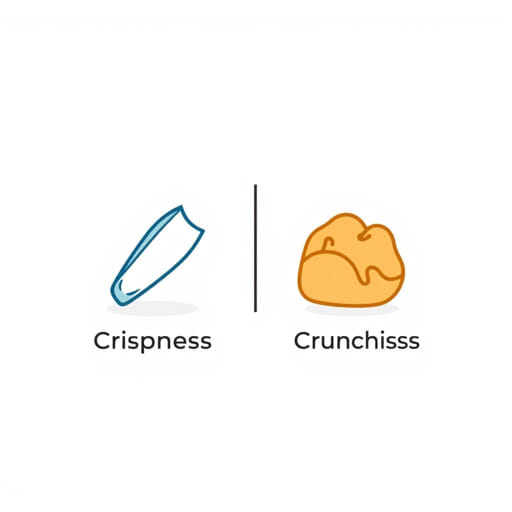
When enjoying food, texture plays a significant role in the overall eating experience. Two terms often used to describe texture are ‘crispness’ and ‘crunchiness.’ While they might seem similar at first glance, they refer to distinct sensory qualities that influence how we perceive various foods. Understanding the difference between crispness and crunchiness not only enhances our appreciation of food but also helps in food science, cooking, and product development. This topic explores the subtle yet important distinctions between crispness and crunchiness, their characteristics, examples, and how they affect our taste perception.
Defining Crispness
Crispness refers to a texture quality characterized by a light, brittle structure that breaks or snaps easily when bitten or pressed. It is often associated with freshness and is perceived as a delicate, clean, and sometimes flaky sensation in the mouth. Foods that are crisp usually have a thin outer layer or surface that produces a sharp, clear sound when broken.
Characteristics of Crispness
- Light and brittle: Crisp foods tend to shatter or break with minimal effort.
- Freshness indicator: Crispness is often a sign of freshness, especially in fruits, vegetables, and baked goods.
- Sound: Produces a high-pitched snapping or cracking sound.
- Texture: Thin, firm outer layer that quickly breaks down upon biting.
Examples of crisp foods include fresh apples, thin potato chips, celery stalks, and crispy lettuce leaves. The sensation of crispness is pleasurable and often linked with desirable freshness and quality.
Understanding Crunchiness
Crunchiness is a texture quality described by a denser, more substantial structure that resists initial biting pressure but then breaks down with a satisfying, louder, and more prolonged sound. Crunchy foods generally have a thicker, more robust texture compared to crisp foods, and they often require more chewing effort.
Characteristics of Crunchiness
- Thicker and denser: Crunchy foods have a sturdier structure that resists initial bite.
- Chewing required: Typically needs more mastication to break down.
- Sound: Produces a louder, deeper, and more prolonged crunching noise.
- Texture: Firm and often layered or multi-textured.
Common crunchy foods include nuts, raw carrots, granola bars, and toasted bread crusts. The crunchiness provides a satisfying chewing experience and often conveys a sense of substance and fullness.
Key Differences Between Crispness and Crunchiness
While both crispness and crunchiness relate to the texture of food and involve sound and tactile sensations, they differ in several important ways. The table below summarizes these key differences:
- Structure: Crisp foods are typically thin and brittle, while crunchy foods are thicker and denser.
- Force required: Crisp foods break easily with little effort; crunchy foods require more force and chewing.
- Sound: Crispness results in a sharp, high-pitched snap; crunchiness produces a louder, deeper, prolonged crunch.
- Mouthfeel: Crisp foods dissolve or break apart quickly; crunchy foods last longer and need more chewing.
- Examples: Crisp potato chips, fresh apples; Crunchy almonds, toasted bread crust.
Why Does the Difference Matter?
Understanding the difference between crispness and crunchiness is important for several reasons:
Food Quality and Freshness
Crispness is often used as a marker of freshness in fruits and vegetables. For example, a crisp apple indicates it is fresh and juicy, while a limp, soft apple suggests staleness. Similarly, crispness in baked goods like cookies or crackers signals proper baking and texture. Crunchiness, on the other hand, relates more to the structure and density of food rather than just freshness.
Culinary Applications
Chefs and food product developers use crispness and crunchiness intentionally to create desired eating experiences. Crispness might be preferred in light, delicate dishes or garnishes, while crunchiness adds heft and substance to snacks or entrees. Balancing these textures can make a dish more interesting and enjoyable.
Consumer Preferences
People have different texture preferences, and some may favor crispness over crunchiness or vice versa. Offering the right texture can influence product success in the market, especially in snacks and processed foods.
How to Test for Crispness and Crunchiness
Food scientists and quality control experts assess crispness and crunchiness through both sensory evaluation and instrumental methods.
- Sensory Evaluation: Tasting panels listen for the type of sound produced when biting and describe the texture sensations.
- Texture Analyzers: Devices that measure the force required to break or compress food samples provide objective data distinguishing crisp and crunchy textures.
These methods help manufacturers maintain product consistency and improve consumer satisfaction.
Examples of Foods and Their Texture Profiles
Crisp Foods
- Fresh cucumbers crisp and watery with a delicate snap.
- Thin potato chips brittle and easily broken.
- Water chestnuts firm yet light crispness in stir-fries.
- Apples fresh apples have a juicy crispness that bursts when bitten.
Crunchy Foods
- Almonds and other nuts dense and require chewing with a loud crunch.
- Granola bars layered textures providing a firm bite.
- Crusty bread thick, hard crust that needs substantial chewing.
- Raw carrots solid and crunchy, offering resistance to biting.
Combining Crispness and Crunchiness in Foods
Some foods combine both crisp and crunchy textures to provide a complex mouthfeel. For instance, fried chicken often features a crispy outer coating with a crunchy crust beneath. Salads may include crisp lettuce with crunchy nuts or croutons, enhancing texture contrast and overall enjoyment.
Understanding these textures helps in recipe development and plating, making meals more appealing both visually and sensorially.
Though crispness and crunchiness are often used interchangeably, they represent different texture experiences in food. Crispness is characterized by a light, brittle snap, often indicating freshness and delicacy, while crunchiness is a denser, firmer texture requiring more chewing and producing a louder sound. Both play essential roles in how we perceive and enjoy food, influencing everything from quality assessment to culinary creativity. By recognizing and appreciating the difference between crispness and crunchiness, food lovers and professionals alike can better understand and articulate the textures that make eating enjoyable and memorable.