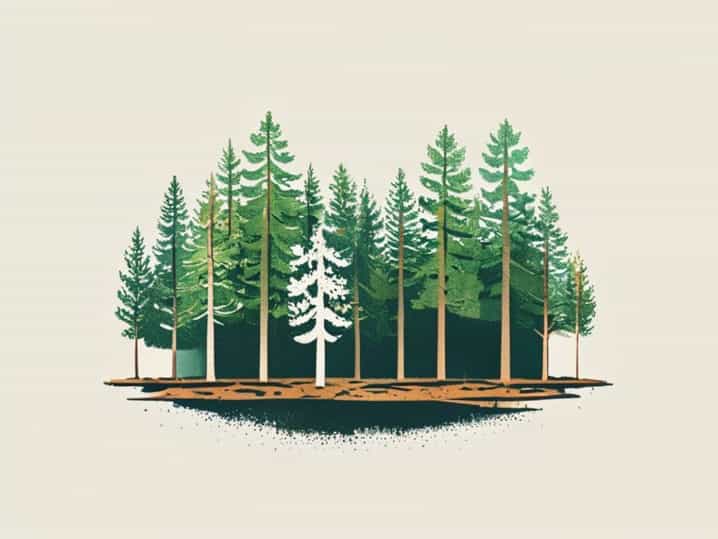
Deforestation is the purposeful clearing of forested land, a practice that has shaped human development for centuries while also creating serious environmental challenges. Forests have long been cleared to make space for agriculture, settlements, and infrastructure, supporting economic growth and population expansion. However, as the global demand for land and natural resources has increased, deforestation has accelerated at an alarming rate. Today, this issue is closely linked to climate change, biodiversity loss, and disruptions to ecosystems that millions of people and species depend on for survival.
What Deforestation Really Means
Deforestation refers to the intentional removal of trees and vegetation from forested areas, often converting the land to non-forest uses. This process can involve clear-cutting large areas, selective logging, or burning forests to prepare land for farming or development.
Unlike natural forest loss caused by storms or wildfires, deforestation is driven primarily by human activity. The purposeful nature of deforestation distinguishes it from temporary tree loss, as it often results in permanent changes to land use and ecosystem structure.
Types of Deforestation
Deforestation can occur in different forms depending on the objective. Clear-cutting removes all trees in an area, while selective logging targets specific tree species. Slash-and-burn agriculture clears land by cutting and burning vegetation, releasing nutrients into the soil for short-term farming.
Each method has varying degrees of environmental impact, but all contribute to the long-term reduction of forest cover when not managed sustainably.
Main Causes of Deforestation
The causes of deforestation are complex and interconnected, often driven by economic pressures and population growth. While the specific reasons vary by region, several major factors contribute consistently to forest loss worldwide.
Agricultural Expansion
Agriculture is the leading cause of deforestation globally. Forests are cleared to create farmland for crops such as soy, palm oil, and corn, as well as for livestock grazing. Large-scale commercial farming often replaces diverse forest ecosystems with monocultures.
Small-scale farming can also contribute to deforestation, particularly in developing regions where communities rely on forest land for subsistence agriculture.
Logging and Timber Production
Logging for wood products, paper, and fuel is another major driver. Legal and illegal logging operations remove valuable trees, often opening access roads that lead to further forest clearing.
Even when logging is selective, repeated harvesting can weaken forest ecosystems and make them more vulnerable to complete deforestation.
Urbanization and Infrastructure
As populations grow, forests are cleared to make way for cities, roads, dams, and industrial facilities. Infrastructure development fragments forest habitats and accelerates deforestation by increasing access to remote areas.
Once land is developed, it rarely returns to its original forested state.
Environmental Impacts of Deforestation
The environmental consequences of deforestation are far-reaching and affect both local and global systems. Forests play a critical role in maintaining ecological balance, and their removal disrupts these functions.
Climate Change and Carbon Emissions
Forests act as carbon sinks, absorbing carbon dioxide from the atmosphere and storing it in trees and soil. When forests are cleared, this stored carbon is released, contributing to greenhouse gas emissions.
Deforestation is a significant contributor to climate change, intensifying global warming and increasing the frequency of extreme weather events.
Loss of Biodiversity
Forests are home to a vast majority of the world’s terrestrial species. Deforestation destroys habitats, leading to population declines and species extinction.
Many species depend on specific forest conditions and cannot survive once their habitat is removed or fragmented.
Soil Degradation and Water Cycle Disruption
Tree roots help stabilize soil and prevent erosion. When forests are cleared, soil becomes vulnerable to erosion by wind and rain, reducing land fertility.
Deforestation also disrupts the water cycle by reducing rainfall and altering groundwater levels, which can lead to droughts or flooding.
Social and Economic Effects
Deforestation does not only affect the environment; it also has profound social and economic impacts. Millions of people depend on forests for their livelihoods, culture, and well-being.
Impact on Indigenous Communities
Indigenous peoples often rely on forests for food, shelter, medicine, and cultural identity. Purposeful clearing of forested land can displace these communities and threaten their traditional ways of life.
Loss of land rights and access to natural resources can lead to poverty and social conflict.
Short-Term Economic Gains Versus Long-Term Costs
While deforestation can generate short-term economic benefits through agriculture or resource extraction, the long-term costs are often greater. Environmental degradation can reduce agricultural productivity, increase disaster risks, and strain public resources.
Sustainable land management offers more stable economic benefits over time.
Global Hotspots of Deforestation
Deforestation occurs worldwide, but some regions experience higher rates due to economic development and land-use pressures. Tropical rainforests are particularly vulnerable.
These forests are rich in biodiversity and play a crucial role in regulating the global climate.
Tropical Forest Regions
- Rainforests in South America cleared for cattle ranching and soy farming
- Forests in Southeast Asia converted for palm oil plantations
- Parts of Africa affected by logging and subsistence agriculture
The loss of these forests has global consequences that extend far beyond national borders.
Efforts to Reduce Deforestation
Addressing deforestation requires coordinated efforts at local, national, and international levels. Governments, organizations, businesses, and individuals all play a role.
Sustainable Forestry and Land Use
Sustainable forestry practices aim to balance resource use with forest conservation. This includes selective logging, replanting trees, and protecting critical habitats.
Responsible land-use planning can reduce the need for forest clearing while meeting human needs.
Reforestation and Afforestation
Reforestation involves restoring forests in areas where they have been cleared, while afforestation creates new forests on previously non-forested land. These efforts help absorb carbon, restore habitats, and improve ecosystem health.
Although reforestation cannot fully replace old-growth forests, it is an important step toward environmental recovery.
The Role of Individuals and Communities
Individuals can contribute to reducing deforestation through everyday choices. Supporting sustainably sourced products, reducing paper waste, and being mindful of food consumption can make a difference.
Community-based conservation initiatives empower local populations to manage forests responsibly while benefiting economically.
Looking Toward a Sustainable Future
Deforestation is the purposeful clearing of forested land, but its consequences are often unintentional and long-lasting. As awareness of environmental issues grows, so does the opportunity to change how forests are valued and protected.
By balancing development with conservation, it is possible to meet human needs without sacrificing the planet’s forests. Understanding the causes and impacts of deforestation is a crucial step toward building a more sustainable and resilient future for generations to come.