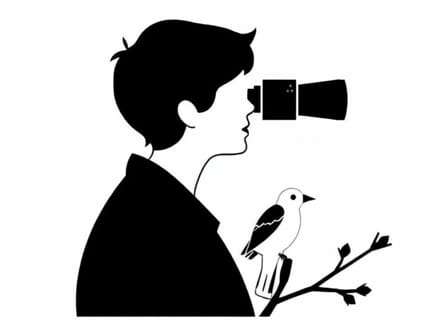
Lover Birdwatcher is a poem that delicately intertwines the themes of love, nature, and observation, inviting readers to explore the subtle beauty of human emotions through the lens of a passionate observer of birds. The poet’s unique approach combines the natural world’s tranquility with the complexities of affection and desire, resulting in a piece that is both soothing and thought-provoking. This poem resonates deeply with readers who appreciate the nuances of emotional expression, as well as the symbolic use of nature to reflect inner experiences. Its ability to blend vivid imagery with philosophical reflections makes it a rich subject for critical appreciation.
Exploration of Themes in Lover Birdwatcher
The poem’s central theme revolves around the intertwining of love and observation. The title itself, Lover Birdwatcher, suggests a dual identity where the act of watching birds becomes a metaphor for understanding and appreciating love. This duality enriches the poem’s texture, offering layers of meaning that encourage deeper reflection.
Love as a Delicate and Observant Experience
Love, in this poem, is not portrayed as a grandiose or overwhelming force but as something subtle and patient, much like the act of birdwatching. The poet draws parallels between the quiet attentiveness required to observe birds and the care and sensitivity necessary to nurture love. This comparison emphasizes that love often requires patience, attentiveness, and a willingness to appreciate the small, fleeting moments.
Nature as a Mirror of Human Emotion
Birds and their natural behaviors become symbols for different aspects of love freedom, fragility, beauty, and even the elusiveness of connection. The poem’s vivid descriptions of birdsong, flight, and habitat not only paint a serene picture of the natural world but also reflect the emotional highs and lows experienced by the lover birdwatcher. This use of nature imagery grounds the abstract concept of love in tangible, relatable experiences.
Use of Imagery and Language
One of the poem’s strengths lies in its rich and evocative imagery. The poet’s language is carefully chosen to create a sensory experience that immerses readers in the world of the birdwatcher. Words that describe colors, sounds, and movements bring the scenes to life, allowing readers to visualize and almost hear the birds in their natural habitat.
Visual and Auditory Imagery
- Descriptions of feathers, flight patterns, and light create vivid visual pictures that engage the reader’s imagination.
- Birdsong and the rustling of leaves add an auditory dimension that enhances the poem’s immersive quality.
The use of these sensory details also serves a symbolic purpose, reinforcing the themes of attentiveness and appreciation. Just as a birdwatcher must listen closely and watch carefully, the poem encourages readers to pay attention to the subtle expressions of love in their own lives.
Language and Tone
The poem’s tone is gentle and contemplative, inviting reflection rather than demanding immediate emotional responses. The poet employs soft, flowing language that mirrors the calmness of nature and the quietude of thoughtful observation. This tone helps convey the idea that love, like birdwatching, is an ongoing process rather than a sudden event.
Structural Elements and Form
Lover Birdwatcher typically follows a free verse structure, allowing the poet flexibility in expressing complex emotions without the constraints of strict rhyme or meter. This openness reflects the unpredictable and organic nature of both love and birdwatching.
Free Verse and Its Effectiveness
By not adhering to a fixed rhyme scheme or meter, the poem mirrors the fluid and spontaneous qualities of the natural world. This structural choice enhances the poem’s authenticity, as both love and nature resist rigid patterns and expectations. The varied line lengths and pauses encourage readers to slow down and savor each image and idea.
Repetition and Rhythm
While the poem lacks a formal meter, the poet skillfully uses repetition and rhythm to create musicality. Repeated phrases or sounds echo the repetitive calls of birds, linking form and content. This technique reinforces the poem’s meditative quality and deepens the reader’s engagement.
Symbolism and Deeper Meanings
The poem is rich in symbolism that invites interpretation beyond the surface level. Birds are multifaceted symbols, representing freedom, hope, and the transcendence of everyday life. At the same time, their delicate nature suggests vulnerability and the need for protection, much like love itself.
Birds as Symbols of Love’s Complexity
- Flight symbolizes freedom in love but also the fear of losing connection.
- Birdsong represents communication and the expression of emotions.
- The birdwatcher’s patience signifies the importance of understanding and respecting boundaries.
These symbolic elements allow the poem to function on multiple levels, offering a narrative about human relationships wrapped in the guise of natural observation.
Why Lover Birdwatcher Resonates
Lover Birdwatcher captivates readers through its harmonious blend of theme, imagery, language, and symbolism. The poem’s gentle exploration of love through the metaphor of birdwatching offers a fresh perspective on familiar emotions, encouraging mindfulness and appreciation. Its rich sensory details, contemplative tone, and free-flowing form make it accessible while also rewarding careful reading and analysis.
Ultimately, the poem invites readers to become observers in their own lives, paying close attention to the subtle moments of connection and beauty that often go unnoticed. This message of attentiveness and reverence for both nature and love ensures that Lover Birdwatcher remains a meaningful and timeless work.