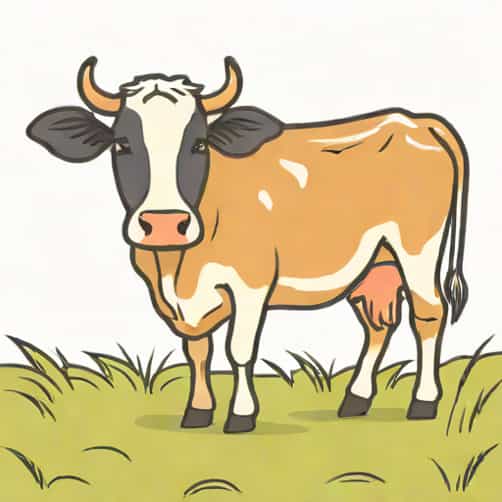
The cow is a remarkable example of a ruminant, an animal with a highly specialized digestive system designed to efficiently process plant-based diets. Unlike monogastric animals that have a single-chambered stomach, cows possess a complex four-chambered stomach that allows them to break down fibrous plant material and extract essential nutrients. This ruminant digestive system includes the rumen, reticulum, omasum, and abomasum, each performing a specific function in the process of digestion. Understanding the cow ruminant digestive system is essential for farmers, veterinarians, and animal science students, as it directly impacts nutrition, health, and productivity of these animals. By examining the structure and function of each compartment, we can appreciate how cows convert grass and other roughage into energy and protein that sustain their bodies.
Overview of the Cow’s Digestive System
The digestive system of a cow is adapted to a herbivorous diet, rich in cellulose and other plant fibers that are difficult to digest. This system relies on a combination of microbial fermentation and mechanical breakdown to convert fibrous material into nutrients. The process begins with the ingestion of feed, followed by chewing, microbial fermentation, and enzymatic digestion. The cow’s digestive system is not only an example of evolutionary adaptation but also a critical component in livestock management. Proper understanding of this system helps optimize feeding practices, prevent digestive disorders, and improve overall animal health.
Four Chambers of the Stomach
The cow’s stomach is divided into four chambers, each with a unique role in digestion
- RumenThe largest chamber, serving as a fermentation vat where microbes break down cellulose.
- ReticulumWorks closely with the rumen to trap foreign objects and aid in regurgitation for rumination.
- OmasumAbsorbs water, electrolytes, and nutrients, and helps reduce ptopic size of digesta.
- AbomasumThe true stomach, where enzymatic digestion occurs similar to monogastric animals.
The Rumen Fermentation and Microbial Action
The rumen is the most significant chamber in the cow’s digestive system, often referred to as a fermentation vat. It contains billions of microorganisms, including bacteria, protozoa, and fungi, that break down cellulose and hemicellulose into volatile fatty acids (VFAs). These VFAs, such as acetate, propionate, and butyrate, are absorbed through the rumen wall and serve as the primary energy source for the cow. The rumen also produces gases like methane and carbon dioxide, which are expelled through eructation. The efficiency of rumen fermentation is influenced by diet, feed ptopic size, and feeding frequency, making it a critical focus in livestock nutrition management.
Function of the Reticulum
The reticulum, often called the honeycomb due to its internal structure, is located next to the rumen and plays a supportive role in fermentation. It collects smaller digesta ptopics and works as a sorting mechanism, sending larger ptopics back to the rumen for further breakdown. The reticulum is also involved in the regurgitation process, allowing the cow to chew cud, which further reduces ptopic size and stimulates microbial activity. This chamber is essential in preventing large, indigestible objects from progressing through the digestive tract, protecting the cow from potential blockages.
The Omasum Absorption and Ptopic Reduction
After fermentation in the rumen and reticulum, the digesta moves to the omasum. This chamber is characterized by numerous folds that increase surface area, allowing efficient absorption of water, electrolytes, and some volatile fatty acids. The omasum also continues mechanical breakdown, reducing ptopic size to prepare the digesta for enzymatic digestion in the abomasum. Proper functioning of the omasum is crucial for maintaining fluid balance and nutrient absorption, making it a key component of the ruminant digestive system.
The Abomasum The True Stomach
The abomasum is the fourth and final chamber of the cow’s stomach and is often referred to as the true stomach because it functions similarly to a monogastric stomach. Here, gastric juices containing hydrochloric acid and digestive enzymes, such as pepsin, break down proteins into smaller peptides. This enzymatic digestion complements the microbial fermentation that occurred in the earlier chambers. The abomasum ensures that the nutrients released from both plant material and microbial protein are available for absorption in the small intestine. This stage is essential for supplying amino acids and other nutrients critical for growth, milk production, and overall health.
Small and Large Intestine Nutrient Absorption
After leaving the abomasum, the digesta enters the small intestine, where most nutrient absorption occurs. Enzymes from the pancreas and bile from the liver aid in the digestion of carbohydrates, proteins, and fats. The small intestine absorbs amino acids, fatty acids, glucose, vitamins, and minerals into the bloodstream. Remaining undigested material passes into the large intestine, where water is absorbed and microbial fermentation continues on some fibers. The large intestine also compacts fecal matter for excretion, completing the digestive process.
Importance of the Cow Ruminant Digestive System
The cow ruminant digestive system is highly efficient at converting low-quality, fibrous plant material into usable energy and protein. This adaptation allows cows to thrive on diets that would be indigestible for many other animals. Understanding this system is essential for proper feed formulation, preventing digestive disorders like bloat or acidosis, and optimizing milk production in dairy cows. Farmers and veterinarians must pay attention to diet composition, feeding frequency, and ptopic size to maintain a healthy digestive environment and maximize productivity.
Common Digestive Issues in Cows
- BloatExcess gas accumulation in the rumen that can be life-threatening if untreated.
- AcidosisA condition caused by excessive fermentation of easily digestible carbohydrates, lowering rumen pH.
- Hardware DiseaseOccurs when cows ingest foreign objects that damage the reticulum.
- Digestive InefficiencyPoor feed quality or imbalanced diets can reduce microbial activity and nutrient absorption.
The cow ruminant digestive system is a remarkable evolutionary adaptation that allows these animals to extract maximum nutrition from plant-based diets. Through the coordinated functions of the rumen, reticulum, omasum, and abomasum, cows efficiently ferment, digest, and absorb nutrients essential for growth, reproduction, and milk production. Understanding this complex system is crucial for livestock management, veterinary care, and optimizing animal productivity. By maintaining proper nutrition and monitoring digestive health, farmers can ensure that cows thrive, highlighting the importance of knowledge about ruminant digestion in modern agriculture.