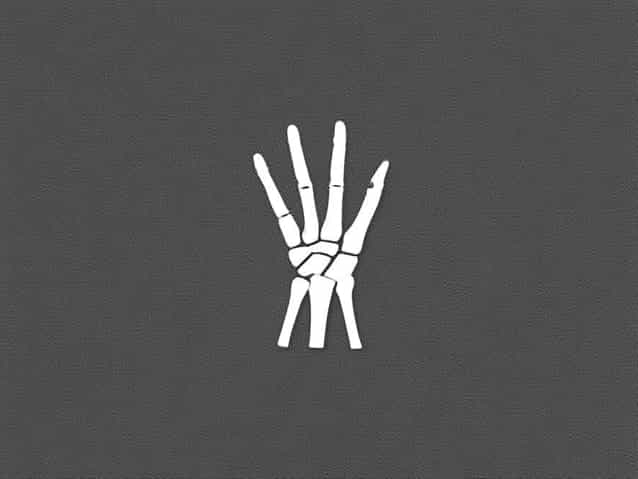
A closed displaced fracture of the proximal phalanx is a significant injury of the finger that can impair hand function and cause considerable pain. The proximal phalanx is the bone located between the metacarpal and the middle phalanx, forming part of the finger’s skeletal structure. A closed fracture indicates that the skin over the fracture site remains intact, while a displaced fracture means that the broken bone fragments have shifted out of their normal alignment. This type of injury commonly occurs due to trauma, sports accidents, or falls, and requires timely diagnosis and proper management to restore function and prevent complications. Understanding the causes, symptoms, diagnosis, and treatment options for a closed displaced fracture of the proximal phalanx is crucial for both patients and healthcare professionals.
Anatomy of the Proximal Phalanx
The proximal phalanx plays a vital role in finger movement and hand function. It connects to the metacarpophalangeal (MCP) joint at the base and the middle phalanx at the distal end. This bone provides attachment points for tendons, ligaments, and muscles, which facilitate flexion, extension, and fine motor movements. Because of its central role in hand mechanics, fractures of the proximal phalanx can significantly affect grip strength, dexterity, and overall hand functionality.
Causes of Closed Displaced Fracture
Closed displaced fractures of the proximal phalanx are usually caused by high-impact trauma or force applied directly to the finger. Common causes include
- Falls onto an outstretched hand or finger
- Sports-related injuries, such as ball impact or collision
- Direct blows or crush injuries
- Accidents involving machinery or heavy objects
Understanding the cause is important for assessing the severity of the injury and determining the most appropriate treatment strategy.
Symptoms and Clinical Presentation
Patients with a closed displaced fracture of the proximal phalanx typically present with a combination of visible and functional symptoms. Common signs include
- Immediate pain at the fracture site, often severe
- Swelling and tenderness along the finger
- Deformity, such as angulation or misalignment of the finger
- Difficulty or inability to move the affected finger
- Bruising around the joint and fracture site
Although the skin remains intact, careful assessment is required to rule out associated injuries to tendons, ligaments, or joint surfaces.
Diagnosis
Accurate diagnosis of a closed displaced fracture of the proximal phalanx involves a combination of clinical examination and imaging studies. The steps generally include
- Physical ExaminationChecking for deformity, swelling, tenderness, and limited range of motion.
- Radiographic ImagingX-rays are used to confirm the fracture, assess the degree of displacement, and check alignment.
- Evaluation for ComplicationsEnsuring no associated joint dislocation, tendon injury, or neurovascular compromise.
Early and accurate diagnosis is critical to prevent long-term functional impairment and to guide treatment planning.
Treatment Options
The management of a closed displaced fracture of the proximal phalanx depends on the severity of the displacement, patient age, activity level, and overall health. Treatment options are broadly divided into non-surgical and surgical approaches.
Non-Surgical Treatment
Non-surgical treatment is typically considered for fractures with minimal displacement or when the fragments can be realigned without surgery. Key approaches include
- Closed ReductionManual manipulation of the bone fragments to restore alignment, usually performed under local anesthesia.
- ImmobilizationApplication of a splint, cast, or buddy taping to maintain alignment during healing.
- Pain ManagementUse of analgesics and anti-inflammatory medications to reduce pain and swelling.
- RehabilitationGradual mobilization and physiotherapy after immobilization to restore range of motion and strength.
Non-surgical management requires regular follow-up and X-ray monitoring to ensure proper healing and prevent malunion or functional deficits.
Surgical Treatment
Surgery may be necessary for fractures with significant displacement, multiple fragments, or instability. Surgical options include
- Open Reduction and Internal Fixation (ORIF)The bone fragments are realigned and stabilized using pins, screws, or plates.
- External FixationA frame outside the finger holds the fragments in place when internal fixation is not feasible.
- Tendon or Ligament RepairIf associated soft tissue injuries are present, they may be repaired during the same procedure.
Surgical intervention aims to restore anatomical alignment, maintain joint function, and allow early mobilization to prevent stiffness and contractures.
Complications
Even with proper management, closed displaced fractures of the proximal phalanx can lead to complications if not treated effectively. Potential complications include
- Malunion, where bones heal in an incorrect position
- Joint stiffness and reduced range of motion
- Chronic pain or tenderness at the fracture site
- Post-traumatic arthritis if the joint surface is involved
- Tendon or ligament dysfunction affecting finger strength
Timely and appropriate treatment, combined with careful rehabilitation, can minimize these risks and ensure better functional outcomes.
Rehabilitation and Recovery
Rehabilitation plays a critical role in recovery from a proximal phalanx fracture. Physical therapy focuses on
- Gradual restoration of finger mobility
- Strengthening exercises for hand and finger muscles
- Improving grip and dexterity
- Minimizing scar tissue formation and stiffness
The recovery period may vary from several weeks to months depending on the severity of the fracture, age, and overall health of the patient. Close monitoring and adherence to rehabilitation protocols are essential for optimal functional restoration.
A closed displaced fracture of the proximal phalanx is a serious injury that requires timely assessment, accurate diagnosis, and appropriate management to restore hand function and prevent long-term complications. Understanding the anatomy, causes, clinical presentation, and treatment options is essential for both patients and healthcare providers. Treatment may involve non-surgical or surgical approaches, depending on the severity and stability of the fracture. Rehabilitation is crucial for regaining mobility, strength, and dexterity. By addressing the fracture promptly and following a structured treatment plan, patients can achieve effective recovery and maintain the functional integrity of their hand.