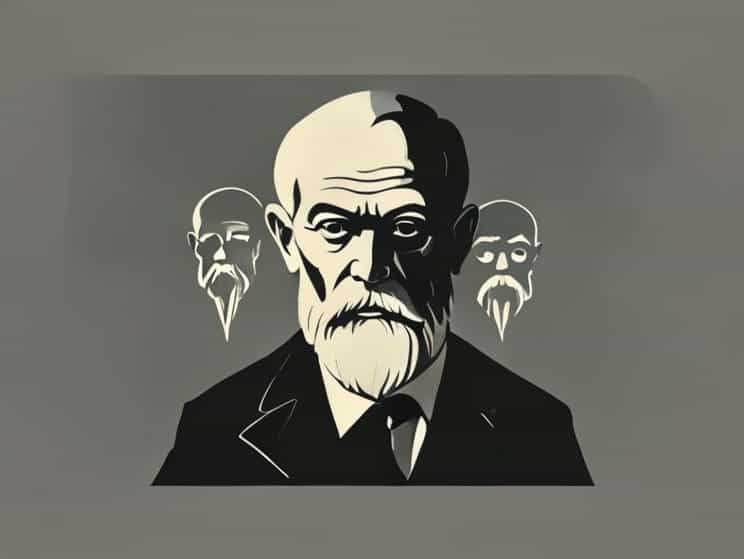
Civilization and Its Discontents by Sigmund Freud is one of the most influential and widely discussed works in the field of psychoanalysis and social theory. Written in 1930, this book explores the complex relationship between individual human instincts and the demands of civilization. Freud examines why, despite technological progress and social organization, human beings continue to experience dissatisfaction, anxiety, and psychological conflict. His insights into the tension between innate drives and societal expectations provide a profound understanding of the human condition and continue to shape discussions in psychology, sociology, and philosophy.
Background of the Work
Sigmund Freud, the founder of psychoanalysis, was primarily concerned with the human psyche and the unconscious mind. By the time he wrote Civilization and Its Discontents, Freud had already developed foundational theories about the id, ego, and superego, as well as the role of repression in human behavior. In this work, he turns his attention to the broader social context, analyzing how civilization impacts individual happiness and mental well-being. The book is considered a critical text for understanding Freud’s later thought, reflecting his observations on the tension between personal desires and social norms.
Key Themes in the Book
Several central themes dominate Freud’s Civilization and Its Discontents
- The Conflict Between Individual and SocietyFreud argues that civilization imposes restrictions on basic human instincts, particularly aggression and sexuality, in order to maintain social order.
- The Role of Guilt and ConscienceThe development of the superego, or moral conscience, is shaped by social rules, leading to feelings of guilt and self-repression.
- Human AggressionFreud identifies aggression as an innate drive that is often directed inward, causing tension and psychological discomfort.
- The Pursuit of HappinessFreud questions whether civilization, by demanding conformity and restraint, can ever allow individuals to achieve true happiness.
The Conflict Between Instinct and Civilization
One of the most significant arguments in the book is that human instincts, particularly sexual and aggressive drives, are in constant conflict with the rules and norms established by civilization. Freud believes that civilization’s progress relies on the suppression of these instincts to prevent chaos and maintain social cohesion. However, this suppression comes at a cost individuals experience tension, dissatisfaction, and neuroses as they struggle to reconcile their innate desires with societal expectations.
The Function of the Superego
Freud introduces the concept of the superego as an internalized system of moral values and social norms. The superego develops during childhood, shaped by interactions with parents and authority figures. While it serves to regulate behavior and maintain social harmony, it also generates guilt and self-criticism when individuals fail to meet its standards. This internal conflict is central to Freud’s understanding of why humans often feel discontented despite living in structured societies.
The Role of Guilt and Aggression
Guilt and aggression are closely linked in Freud’s analysis. He argues that the aggressive instincts, which cannot be expressed freely in civilization, are often turned inward, leading to feelings of guilt and self-punishment. This dynamic explains the prevalence of anxiety and neuroses in human life. Civilization, while providing security and order, inadvertently creates psychological burdens by requiring individuals to constantly regulate and repress their natural impulses.
Love, Society, and Sublimation
Freud also explores the role of love and social bonds in mitigating human discontent. Sublimation, the process of redirecting instinctual drives into socially acceptable activities, is one way individuals cope with the restrictions of civilization. Artistic creation, intellectual pursuits, and productive work serve as outlets for instincts that cannot be freely expressed. Despite these mechanisms, Freud remains skeptical about the possibility of complete satisfaction within the confines of civilization.
The Pursuit of Happiness
Freud’s work raises important questions about the nature of happiness in a civilized society. He suggests that humans are biologically wired for pleasure, yet the very structures that allow society to function often limit the achievement of personal happiness. According to Freud, civilization imposes a trade-off it offers protection, cooperation, and cultural achievements but demands restraint, self-discipline, and the suppression of desires. This inherent tension explains why discontent is an inevitable feature of human life.
Psychological and Social Implications
The insights in Civilization and Its Discontents have far-reaching implications for understanding both individual psychology and societal dynamics. Freud’s analysis can be applied to modern issues such as mental health, social conformity, and the pressures of contemporary life. The tension between personal freedom and societal expectations remains relevant, highlighting the enduring relevance of Freud’s work. Scholars continue to explore how this tension manifests in areas like law, politics, education, and interpersonal relationships.
Critiques and Interpretations
While Freud’s work is highly influential, it has also been subject to criticism. Some scholars argue that Freud overemphasizes the role of sexual and aggressive instincts in human behavior. Others suggest that his pessimistic view of civilization underestimates the capacity of social systems to foster happiness and cooperation. Despite these critiques, the book remains a foundational text in psychoanalytic theory and social philosophy, sparking debate about the human condition and the balance between individual desires and collective needs.
Enduring Influence
Civilization and Its Discontents continues to influence a wide range of disciplines. In psychology, it provides a framework for understanding anxiety, repression, and guilt. In sociology and anthropology, it offers insights into the challenges of social organization and cultural development. In philosophy, it raises fundamental questions about human nature, freedom, and morality. The book’s exploration of the tension between instinct and social order remains a vital lens through which to examine contemporary life.
Sigmund Freud’s Civilization and Its Discontents is a seminal work that explores the complex interplay between human instincts and societal demands. Through the concepts of the superego, repression, guilt, and sublimation, Freud provides a profound explanation for why humans experience discontent even in advanced civilizations. His analysis underscores the inherent tension between individual desires and collective order, offering insights that continue to shape psychology, social theory, and philosophical inquiry. Understanding this work allows readers to reflect on the challenges of balancing personal satisfaction with social responsibility and highlights the enduring relevance of Freud’s thought in analyzing human nature and society.