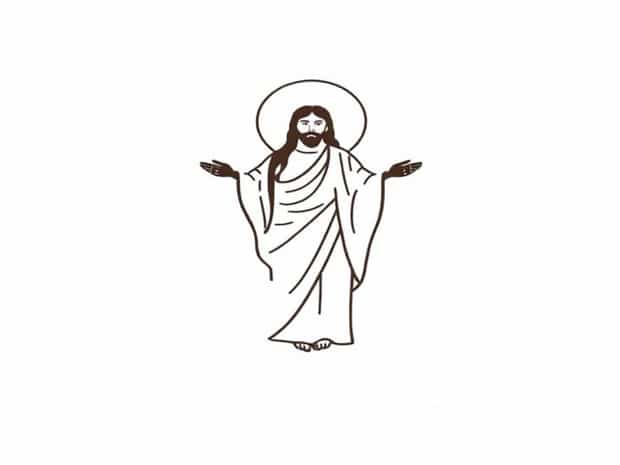
The concept of Christ the Eternal Tao” invites a profound exploration of the intersection between Christian theology and Eastern philosophy. This idea draws connections between Jesus Christ as the eternal Logos in Christian thought and the Tao, or “The Way,” in Taoist philosophy. Both frameworks address the nature of ultimate reality, moral guidance, and the path to spiritual harmony. Understanding Christ as the Eternal Tao requires a careful examination of biblical teachings, Taoist principles, and the ways in which these spiritual traditions converge, offering insights into universal truths, divine wisdom, and the journey toward spiritual enlightenment.
The Logos and the Tao
In Christian theology, Christ is often identified with the Logos, a Greek term meaning “Word,” “Reason,” or “Principle.” The Gospel of John opens with a description of Christ as the Logos the divine principle through which all things were created and the source of life and light for humanity. Similarly, in Taoist thought, the Tao represents the fundamental principle underlying the universe, guiding natural order and human conduct. Both Logos and Tao serve as metaphysical realities that connect the divine with creation and provide a framework for understanding life and morality.
Parallels Between Christ and Tao
While Christianity and Taoism differ in language and cultural context, the parallels between Christ as Logos and the Tao are notable
- Source of LifeChrist and the Tao are seen as origins of creation and sustenance, providing life, order, and harmony.
- Path to WisdomBoth offer guidance for human behavior and spiritual growth, emphasizing alignment with divine will or natural order.
- Ultimate RealityThe Logos and Tao are eternal and transcendent, representing truths beyond ordinary human comprehension.
Christ as the Eternal Tao
The notion of Christ as the Eternal Tao emphasizes the timeless and universal nature of Jesus’ teachings. In this perspective, Christ embodies the principles of divine order, moral guidance, and spiritual harmony in a manner analogous to the Tao. The Sermon on the Mount, the parables of Christ, and his ethical instructions reflect a path toward inner peace, righteousness, and unity with God, echoing the Taoist emphasis on simplicity, humility, and alignment with the natural flow of life.
Spiritual Implications
Viewing Christ as the Eternal Tao has several profound implications for spiritual practice and understanding
- Unity with the DivineIt emphasizes Christ as the channel through which humans can experience unity with God and the eternal order of the universe.
- Guidance for Daily LifeChrist’s teachings serve as a practical roadmap, much like the Tao, guiding ethical behavior and harmonious living.
- Transformation of the SelfAlignment with Christ or the Tao encourages spiritual growth, humility, and moral integrity.
Integration of Christian and Taoist Principles
Exploring Christ as the Eternal Tao invites dialogue between Eastern and Western spiritual traditions. While Christianity emphasizes faith in Christ, salvation, and the personal relationship with God, Taoism emphasizes harmony, non-resistance, and the natural flow of life. By recognizing Christ as the Eternal Tao, seekers can appreciate the universal principles of wisdom, ethical living, and spiritual alignment that transcend cultural and religious boundaries.
Ethical and Moral Convergence
Several ethical principles demonstrate the convergence between Christ’s teachings and Taoist philosophy
- Compassion and Non-HarmChrist advocates love for neighbors and forgiveness, aligning with the Taoist ideal of harmony and non-contention.
- Humility and SimplicityJesus emphasizes the value of humility and simplicity in life, reflecting the Taoist focus on naturalness and modesty.
- Inner TransformationBoth traditions highlight the importance of inner cultivation and moral integrity as pathways to spiritual fulfillment.
Practical Applications in Spiritual Life
Understanding Christ as the Eternal Tao can enhance spiritual practice by offering a lens that integrates contemplation, ethical living, and divine connection. Practitioners may draw from both traditions to develop a holistic approach that honors universal principles of wisdom, love, and harmony. This integration encourages meditation on Christ’s teachings alongside reflective practices inspired by Taoism, fostering balance, peace, and clarity in daily life.
Ways to Incorporate This Perspective
- Reflect on Christ’s teachings as a guide to ethical behavior and spiritual alignment, similar to following the Tao.
- Practice meditation or contemplative prayer to connect with the eternal principles embodied in Christ and the Tao.
- Embrace simplicity, humility, and compassion in interactions with others, reflecting universal spiritual truths.
- Seek harmony in daily life, recognizing the interconnectedness of all creation and the divine presence in every moment.
Christ as the Eternal Tao represents a profound bridge between Christian theology and Eastern philosophy, highlighting universal principles that guide spiritual growth, ethical behavior, and unity with the divine. By exploring Christ in this light, believers and seekers can gain insight into the timeless and transcendent nature of divine wisdom, the interconnectedness of all life, and the path toward spiritual harmony. This perspective encourages a deeper understanding of Christ’s teachings while appreciating the shared spiritual truths that resonate across cultures, fostering a holistic approach to faith, morality, and the eternal quest for divine alignment.