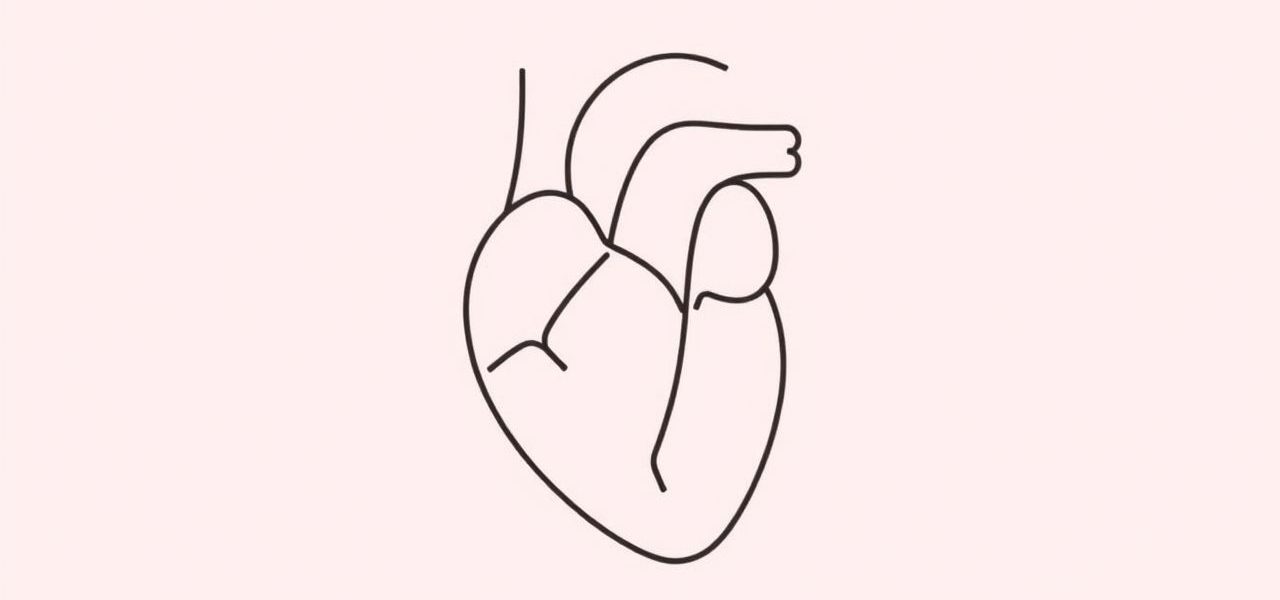
The heart’s mitral valve plays a critical role in ensuring that blood flows efficiently from the left atrium to the left ventricle. When this valve becomes damaged, it can lead to mitral regurgitation or stenosis, conditions that impair heart function and may cause fatigue, shortness of breath, and other cardiovascular complications. One advanced surgical approach to restoring proper valve function is chordal transfer mitral valve repair. This technique preserves the patient’s own tissue while improving valve competence, and it has become a preferred method in specific cases where mitral valve leaflets or chordae tendineae are affected. Understanding how chordal transfer works, when it is used, and what to expect after surgery can help patients make informed decisions about their cardiac care.
Understanding the Anatomy of the Mitral Valve
The mitral valve is located between the left atrium and left ventricle. It consists of two leaflets anterior and posterior supported by thin, strong tendinous structures called chordae tendineae. These chordae connect the valve leaflets to the papillary muscles in the ventricular wall, preventing the valve from prolapsing backward during heart contractions.
Damage to the chordae tendineae can cause the leaflets to fail to close properly, resulting in mitral regurgitation, where blood leaks backward into the atrium. This can significantly reduce the efficiency of the heart’s pumping action.
What Is Chordal Transfer Mitral Valve Repair?
Chordal transfer is a specialized surgical repair technique used to restore normal function to the mitral valve by transferring healthy chordae from one leaflet to replace damaged chordae on another. This allows surgeons to preserve the patient’s native valve structure rather than replacing it with an artificial prosthesis.
How the Procedure Works
- The surgeon identifies the damaged chordae tendineae, often those connected to the anterior leaflet.
- Healthy chordae, often from the posterior leaflet, are carefully detached and repositioned.
- The transferred chordae are attached to the leaflet that requires support.
- Additional repairs, such as leaflet reshaping or annuloplasty (tightening of the valve ring), may be performed to optimize function.
This method takes advantage of the posterior leaflet’s redundancy and allows for a more durable repair while minimizing foreign material in the heart.
When Is Chordal Transfer Recommended?
Chordal transfer mitral valve repair is particularly useful in cases of degenerative mitral valve disease, where the chordae tendineae are elongated, ruptured, or otherwise damaged. It is also indicated in
- Mitral valve prolapse affecting the anterior leaflet
- Chordal rupture due to trauma
- Infective endocarditis with localized damage
- Complex mitral valve reconstruction requiring preservation of natural valve tissue
Advantages of Chordal Transfer Over Valve Replacement
In many cases, repairing the valve yields better long-term outcomes than replacing it entirely. The benefits of chordal transfer include
- Preservation of native valve tissue, which maintains better heart mechanics
- Lower risk of complications compared to mechanical or bioprosthetic valves
- Elimination of the need for lifelong anticoagulation therapy in most cases
- Durable results with reduced recurrence of mitral regurgitation
The Surgical Process
Chordal transfer is typically performed under general anesthesia using open-heart surgery techniques. The main steps involve
Preparation and Access
The patient is placed on cardiopulmonary bypass, which temporarily takes over the function of the heart and lungs. The surgeon accesses the mitral valve through an incision in the left atrium.
Assessment of Valve Damage
Direct visualization allows the surgeon to determine the exact location and severity of the damaged chordae. This step ensures that the transfer will be effective and tailored to the patient’s anatomy.
Transfer and Securing of Chordae
Healthy chordae from the posterior leaflet are detached, carefully measured, and then reattached to the anterior leaflet where chordal support is lacking. This precise work requires microsurgical skill to avoid altering the valve’s delicate geometry.
Additional Repair Measures
Often, an annuloplasty ring or band is placed around the valve annulus to restore its shape and provide additional support.
Recovery and Postoperative Care
After surgery, patients typically spend several days in the hospital for monitoring and recovery. Early postoperative care includes
- Heart rhythm monitoring to detect arrhythmias
- Management of fluid balance to reduce strain on the heart
- Gradual return to activity under medical supervision
Most patients are encouraged to participate in a cardiac rehabilitation program, which combines monitored exercise, nutrition guidance, and lifestyle counseling to support heart health.
Risks and Potential Complications
As with any heart surgery, chordal transfer mitral valve repair carries some risks. These may include
- Bleeding or infection
- Blood clots
- Stroke
- Recurrence of mitral regurgitation if the repair fails
However, in experienced surgical hands, complication rates are relatively low, and the benefits often outweigh the risks for eligible patients.
Long-Term Outcomes
Studies have shown that patients undergoing chordal transfer mitral valve repair experience excellent long-term survival rates and reduced symptoms compared to those receiving valve replacement. Many individuals regain normal exercise tolerance and improved quality of life after full recovery.
The preservation of the patient’s own valve tissue allows for more natural heart function, which contributes to better durability and reduced risk of complications over time.
Lifestyle Considerations After Repair
Following a successful repair, maintaining heart health is essential. Recommendations include
- Adopting a heart-healthy diet rich in fruits, vegetables, and whole grains
- Engaging in regular physical activity approved by a cardiologist
- Managing blood pressure, cholesterol, and blood sugar levels
- Avoiding smoking and limiting alcohol intake
Regular follow-up appointments with a cardiologist are crucial to monitor valve function and detect any early signs of recurrence.
Chordal transfer mitral valve repair offers a precise, tissue-preserving approach to treating certain types of mitral valve disease. By replacing damaged chordae with healthy ones from another leaflet, surgeons can restore normal valve function, maintain the heart’s natural biomechanics, and avoid some of the drawbacks associated with valve replacement. With advances in surgical techniques and postoperative care, patients undergoing this procedure can look forward to improved heart performance, reduced symptoms, and a better overall quality of life.