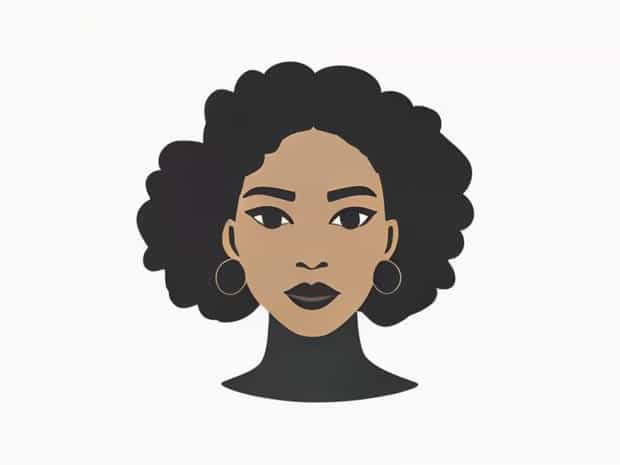
Hair is one of the most defining features of human appearance, and it varies widely among different populations due to genetic, environmental, and evolutionary factors. One type of hair that has unique characteristics is Negroid hair, commonly observed among people of African descent. Understanding the structure, growth patterns, and cultural significance of Negroid hair provides insights not only into biology but also into identity and heritage. Its distinctive texture, density, and curl patterns have made it both a subject of scientific study and a canvas for diverse cultural expressions, reflecting resilience and adaptability in different climates and social contexts.
Structural Characteristics of Negroid Hair
Negroid hair is known for its unique structural features that distinguish it from other hair types. One of the most notable characteristics is its curl pattern, which is tightly coiled or kinky. This curliness is a result of the hair follicle shape, which is more elliptical or flattened compared to the round follicles typical of straight hair. The curl pattern can range from loose coils to very tight curls, often described as zigzag or spiral formations.
Hair Follicle Shape and Density
The shape of the hair follicle plays a crucial role in determining hair texture. In Negroid hair, follicles are often curved or asymmetrical, contributing to the springy, tightly coiled appearance of the strands. Additionally, hair density is generally high, meaning that individuals tend to have many hair strands per square centimeter of scalp. Despite this density, the hair often appears less voluminous due to the coiled structure, which contracts the length of each hair strand.
Diameter and Thickness
Negroid hair is typically finer in individual strand diameter but exhibits considerable variation across the scalp. The fine strands contribute to flexibility, allowing the hair to bend and twist without breaking easily. The combination of fine diameter and high density creates a unique texture that can absorb and retain moisture efficiently while providing a protective barrier against environmental factors like UV radiation and wind.
Curl Patterns and Texture
One of the defining characteristics of Negroid hair is the curl pattern, which significantly influences styling, maintenance, and overall appearance. The hair is often described as having a spring-like or zigzag formation, which can vary from small, tight curls to larger, more elongated coils. These curl patterns are categorized into several types, each with distinct properties
- Type 4ASoft, tightly coiled curls with a defined S-shape pattern.
- Type 4BZ-shaped curls with less definition and a wiry texture.
- Type 4CVery tight coils with minimal curl definition, prone to shrinkage and breakage.
The curl pattern not only affects appearance but also influences hair care routines. For example, tightly coiled hair tends to shrink more, meaning the actual length of the hair may be much longer than it appears when uncurled. This shrinkage is a natural protective mechanism, helping the hair maintain moisture and resist environmental damage.
Growth Characteristics
Negroid hair grows at an average rate similar to other hair types, roughly half an inch per month, but its growth may appear slower due to shrinkage caused by the coiled structure. The hair also exhibits a unique balance of elasticity and strength, which allows it to withstand stretching and manipulation more effectively than straighter hair types. However, this elasticity also makes the hair more prone to tangling and knotting, requiring careful detangling and conditioning.
Elasticity and Resilience
The high elasticity of Negroid hair allows it to stretch considerably without breaking, making it versatile for a wide range of styles, from natural afros to braids, twists, and protective styles. Its resilience is also beneficial in harsh climates, as the hair can retain moisture and shield the scalp from extreme heat and UV exposure.
Moisture Retention
Due to the tightly coiled structure, natural oils produced by the scalp have difficulty traveling along the hair shaft. This characteristic makes Negroid hair prone to dryness, necessitating regular moisturizing and conditioning. Proper hydration helps prevent breakage and maintain the hair’s softness and elasticity, which are essential for healthy growth and styling flexibility.
Cultural and Aesthetic Significance
Beyond its biological characteristics, Negroid hair holds profound cultural significance. Hairstyles such as braids, twists, dreadlocks, and afros are not only aesthetic choices but also expressions of identity, heritage, and social status. Throughout history, these styles have been used to signify community membership, age, marital status, and even political or spiritual beliefs. In contemporary culture, embracing natural hair textures has become a symbol of pride and empowerment, celebrating the diversity and beauty of Negroid hair.
Historical Perspectives
Historically, Negroid hair has been both a source of pride and a focus of discrimination. During the African diaspora and colonial periods, natural hair textures were often stigmatized, leading to the widespread use of straightening techniques and chemical treatments. In recent decades, movements advocating for natural hair have gained momentum, emphasizing the health, beauty, and versatility of natural textures without altering their intrinsic properties.
Modern Styling Techniques
Today, individuals with Negroid hair have access to a variety of products and techniques tailored to maintain and enhance their natural texture. Moisturizing creams, oils, and protective styling methods such as braiding and weaving help maintain hair health while allowing creative expression. Heat-free styling and gentle detangling techniques prevent damage and preserve the hair’s natural elasticity and curl pattern.
Common Misconceptions
Negroid hair is often misunderstood due to its unique properties. One common misconception is that it is inherently fragile; while the hair is prone to dryness and breakage if improperly cared for, it is naturally resilient and strong when maintained appropriately. Another misconception is that the hair cannot be styled or manipulated; in reality, its versatility allows for a wide range of styles, from natural curls to intricate braids and protective styles.
Dispelling Myths
Understanding the characteristics of Negroid hair helps dispel myths and promote a more accurate appreciation of its qualities. Its density, elasticity, and curl pattern make it a versatile and resilient hair type that, with proper care, can thrive in various conditions. Recognizing these strengths challenges stereotypes and encourages respect for the natural beauty and diversity of human hair.
Negroid hair is a distinctive and versatile hair type with unique structural, growth, and aesthetic characteristics. Its tightly coiled curls, high density, elasticity, and moisture retention needs distinguish it biologically and culturally from other hair types. Beyond its physical attributes, it carries deep cultural significance and serves as a medium for personal and communal expression. Proper care, understanding, and appreciation of these characteristics allow individuals to celebrate the natural beauty of Negroid hair while maintaining its health and resilience. Embracing these features fosters cultural pride, challenges misconceptions, and highlights the intricate diversity of human hair.