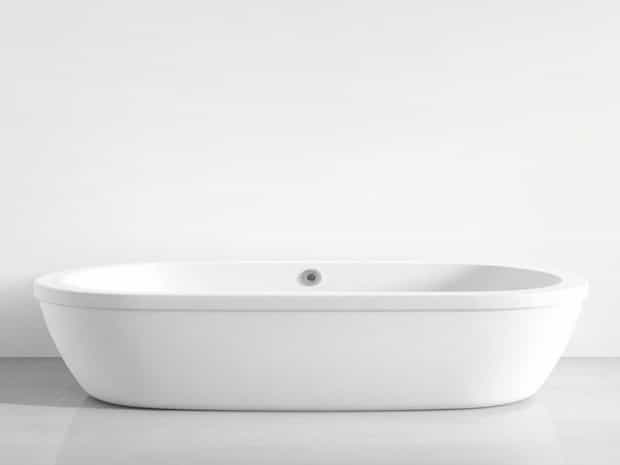
Capping a jetted tub is an essential procedure for homeowners who are renovating their bathroom, repurposing a space, or dealing with a malfunctioning whirlpool system. A jetted tub, equipped with jets and plumbing designed to circulate water, requires careful handling when being capped to prevent leaks, maintain water flow, and avoid costly damage. Proper capping ensures the tub remains functional or is safely decommissioned while preserving the integrity of the plumbing system. Whether you are temporarily disabling the jets, permanently removing them, or simply preparing for maintenance, understanding the correct approach is critical to achieving a safe and lasting result.
Understanding Jetted Tub Plumbing
Before capping a jetted tub, it is important to understand how the plumbing system works. Jetted tubs contain a network of pipes and pumps that circulate water through multiple jets, creating the soothing whirlpool effect that defines these baths. Each jet connects to a main supply line, and the water returns through a drainage system equipped with valves and pumps. This complex system makes proper capping essential, as improper handling can lead to leaks, water damage, or malfunctioning pumps.
Components of a Jetted Tub
- PumpCirculates water through the jets and returns it to the tub.
- JetsThe outlets that release water in streams or bubbles.
- Plumbing LinesSupply and return lines that connect the pump to the jets.
- ValvesControl water flow and regulate pressure within the system.
- DrainageEnsures water exits the tub efficiently while preventing backflow.
Reasons to Cap a Jetted Tub
Homeowners may need to cap a jetted tub for various reasons, ranging from renovations to maintenance or energy efficiency. Identifying the purpose behind capping can guide the method and materials used.
Renovation or Space Repurposing
If a bathroom remodel requires the removal of a jetted tub or conversion to a standard bathtub, capping the jets prevents leaks and allows the plumbing to be redirected. This step ensures the space is safe and ready for new installations without leaving open connections exposed to potential water damage.
Maintenance or Malfunction Prevention
Jets and pumps can become clogged with debris, minerals, or biofilm over time. Temporarily capping the lines allows for cleaning, repairs, or upgrades without the risk of water escaping through unused jets. This is especially important for tubs that will remain unused for extended periods.
Energy and Water Conservation
Disabling jets in a tub that is no longer used can save energy and reduce wear on pumps. Capping the system prevents unnecessary circulation, lowering energy bills and extending the life of the plumbing components.
Steps to Cap a Jetted Tub
Capping a jetted tub requires careful preparation and execution to ensure the system remains secure and leak-free. Following a systematic approach minimizes risk and ensures long-term functionality or safe decommissioning.
Turn Off Water Supply and Power
Before starting any work, shut off the water supply to the tub and disconnect the electrical supply to the pump. This step is crucial for safety, preventing electrical hazards and accidental water flow during the capping process.
Access the Plumbing Lines
Remove any panels or access covers that conceal the pump and plumbing lines. This provides clear visibility and space to work safely. Take note of how each line connects to the jets and the pump to avoid confusion during reassembly or future use.
Determine the Type of Cap Needed
The method for capping depends on the tub’s plumbing configuration. Options include threaded caps, compression fittings, or specialized plugs designed for whirlpool systems. Ensure the cap fits securely and is compatible with the pipe material, whether PVC, ABS, or copper.
Install the Cap
For threaded connections, apply plumber’s tape to the threads to ensure a watertight seal before tightening the cap. For compression fittings, ensure the gasket or O-ring is positioned correctly and tighten the nut to prevent leaks. Double-check each connection, as even a small leak can cause water damage over time.
Test for Leaks
Once all caps are installed, turn the water supply back on and carefully observe each capped line. Look for drips, moisture, or signs of pressure loss. Running the pump briefly (if temporarily capping) can help identify any leaks and ensure the system functions properly without water escaping.
Materials and Tools Required
Having the proper materials and tools ensures a smooth capping process and reduces the risk of errors. Common requirements include
- Pipe caps compatible with the tub’s plumbing material.
- Plumber’s tape (Teflon tape) for threaded connections.
- Wrenches or pliers for tightening fittings.
- Gaskets or O-rings for compression fittings.
- Access panels or tools for removing covers.
- Towels or buckets to catch any residual water during capping.
Safety Considerations
Working with plumbing and electrical components in a jetted tub requires attention to safety. Key precautions include
- Always disconnect the power supply before working on pumps or electrical lines.
- Turn off the water supply to prevent accidental flooding.
- Wear protective gloves and eyewear when handling plumbing tools.
- Check local building codes if permanently modifying plumbing systems.
- If unsure, consult a licensed plumber or contractor to ensure proper installation and compliance with safety standards.
Maintenance After Capping
Even after capping a jetted tub, ongoing maintenance is important to preserve plumbing integrity. Periodically inspect the capped lines for signs of leaks or degradation. If the system is temporarily capped, clean the pump and lines to prevent biofilm, mold, or mineral buildup before reactivation. Proper maintenance extends the life of the plumbing and prevents costly repairs in the future.
Capping a jetted tub is a practical and necessary procedure for homeowners dealing with renovations, unused systems, or maintenance needs. Understanding the tub’s plumbing, selecting the correct caps, and following a systematic process ensures a leak-free, safe, and functional outcome. Safety precautions, proper materials, and post-installation testing are critical to achieving success. Whether temporarily disabling jets, permanently decommissioning a whirlpool system, or preparing for bathroom remodeling, capping a jetted tub protects both the plumbing system and your home from potential damage. With careful planning and execution, homeowners can manage their jetted tub effectively, maintaining safety, efficiency, and convenience in their bathroom spaces.