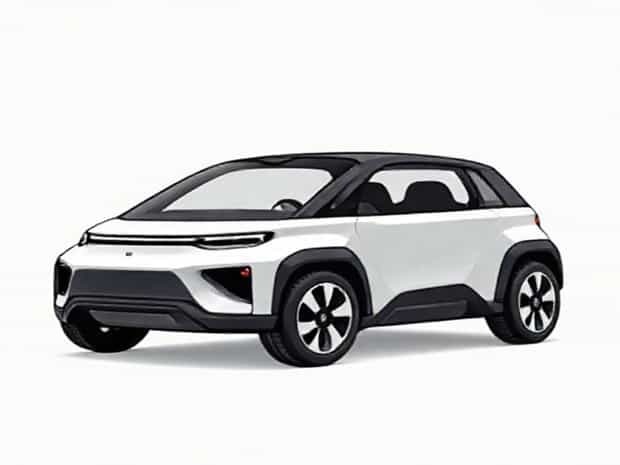
The electric vehicle market has been expanding at a rapid pace, with many startups trying to establish themselves alongside established automotive giants. Among these startups, Canoo has been one of the most closely watched due to its futuristic designs and bold ambitions. However, recent news about Canoo auctions involving unsold EVs and prototypes has raised questions about the company’s direction, financial stability, and the future of its innovative vehicles. For enthusiasts and investors alike, understanding why these prototypes ended up at auction provides insight into both the challenges and opportunities within the electric vehicle industry.
Background of Canoo
Canoo is a California-based electric vehicle startup founded with the goal of creating unique EVs that break away from traditional automotive design. The company gained attention with its first model, a pod-like van with a spacious interior designed for urban mobility and versatility. Over time, Canoo unveiled several concepts, including a pickup truck, delivery van, and lifestyle vehicle, each showcasing modularity and futuristic styling. Despite early excitement, the brand has faced obstacles that affected production timelines and market presence.
The Story Behind the Auctions
The mention of Canoo auctions involving unsold EVs and prototypes has created curiosity within the automotive world. Auctions of this type typically occur when a company has limited production runs, demonstration models, or early prototypes that are no longer part of active development. In Canoo’s case, these vehicles represented some of its earliest attempts at delivering functional EVs, yet they never reached mass production or wide market adoption. By sending them to auction, Canoo may be signaling a need to raise funds, clear space for new projects, or shift its strategy in response to market conditions.
Why Were Prototypes Left Unsold?
- Limited productionCanoo’s prototypes were built in very small numbers, making them rare but not necessarily practical for everyday use.
- Regulatory hurdlesMany prototypes do not meet full safety certifications, which prevents them from being sold as road-legal vehicles.
- Financial challengesAs with many EV startups, Canoo has faced funding difficulties that could explain the decision to auction off assets.
- Market shiftsConsumer interest in EVs is growing, but competition from larger automakers may have left Canoo struggling to find a stable customer base.
What Happens to Unsold EVs and Prototypes
When EV prototypes and unsold models are sent to auction, they often attract a unique mix of buyers. Collectors see them as rare pieces of automotive history, while engineers and researchers may purchase them for study or parts. Canoo’s prototypes, with their futuristic designs and limited availability, are particularly attractive to enthusiasts who value rarity. Even if they cannot be driven legally on public roads, these vehicles can serve as conversation pieces, museum displays, or even test platforms for future projects.
Impact on Canoo’s Brand Image
The Canoo auctions raise questions about the company’s stability, but they also highlight its innovative spirit. For some observers, the fact that prototypes ended up unsold and at auction reflects financial struggles. For others, it signals that Canoo is still in the experimental stage, refining its approach while testing the limits of design and technology. In the world of startups, auctions can be both a sign of difficulty and a sign of transition, depending on how the company responds.
Collectability of Canoo Prototypes
One of the most fascinating aspects of Canoo auctions is the collectability of its unsold EVs. Automotive collectors often seek rare vehicles that represent turning points in industry history. Canoo’s vehicles fit this category due to their limited production and futuristic styling. Over time, these prototypes could become highly valued, similar to early Tesla Roadsters or rare concept cars from other manufacturers. While their immediate resale value may not be high, their long-term historical significance could make them prized items for enthusiasts and museums.
Unique Features of Canoo EVs
- Distinctive pod-like design with emphasis on interior space.
- Steer-by-wire technology offering flexibility in layout.
- Focus on modularity, allowing various body styles on a shared platform.
- Forward-thinking electric architecture aimed at scalability.
The Financial Context
Behind the Canoo auctions lies a larger story about the company’s financial health. Like many EV startups, Canoo has faced challenges raising enough capital to fund large-scale production. Development costs for electric vehicles are enormous, and without strong investor backing or significant preorders, sustaining operations becomes difficult. By auctioning off unsold EVs and prototypes, Canoo may be attempting to generate short-term cash flow or reduce operational costs. While this move raises concerns, it is not uncommon for young companies in highly competitive industries.
Industry Reactions
The news of Canoo prototypes at auction has sparked varied reactions within the automotive and investment communities. Some industry analysts view it as a warning sign, suggesting Canoo may struggle to deliver on its promises. Others see it as a natural stage in the company’s evolution, where early prototypes are cycled out to make room for newer, more refined models. Investors, collectors, and enthusiasts will continue to watch Canoo closely to see whether the company can transition from prototypes to mass-market vehicles successfully.
Lessons from Other EV Startups
Canoo’s story is not unique. Several other EV startups have faced similar issues, from production delays to financial instability. For example, Fisker Automotive once produced prototypes and concept vehicles that later ended up in auctions after the company faced bankruptcy. Tesla, on the other hand, successfully transitioned from niche prototypes to mainstream production, but not without financial struggles in its early years. Canoo’s path remains uncertain, but the auctioning of prototypes highlights the risks and challenges inherent in pioneering new automotive technologies.
Possible Outcomes for Canoo
- Canoo secures new funding and continues development of its EV lineup.
- The company pivots its strategy toward fleet sales or commercial contracts.
- Collectors and institutions preserve Canoo prototypes as historical artifacts.
- Partnerships with larger automakers could stabilize Canoo’s future.
The story of Canoo auctions with unsold EVs and prototypes is more than just a note about vehicles being sold off. It reflects the broader challenges faced by electric vehicle startups in a competitive, rapidly changing industry. While the auctions may raise concerns about Canoo’s financial position, they also create opportunities for collectors and enthusiasts to acquire rare and innovative vehicles. The ultimate legacy of Canoo will depend on how the company navigates its current challenges and whether it can move from prototypes to large-scale production. For now, the presence of Canoo EVs at auction serves as a reminder of both the excitement and the uncertainty that define the electric vehicle revolution.