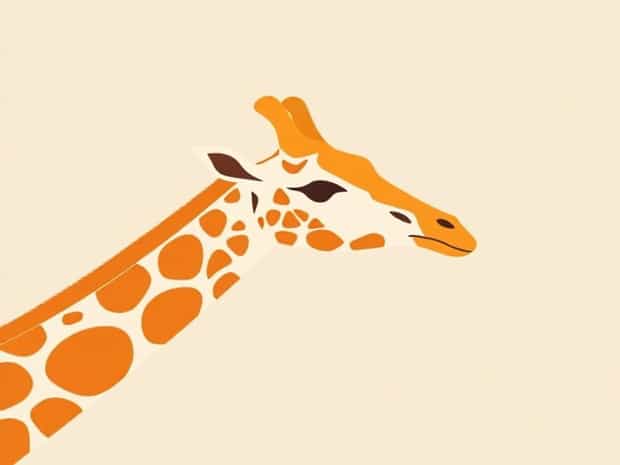
The concept of assimilating a giraffe may sound unusual or even fantastical at first glance, but it opens a curious window into the study of animal behavior, human imagination, and metaphorical thinking. Giraffes are iconic creatures, celebrated for their towering height, graceful movements, and unique patterns. The idea of assimilating” a giraffe can be explored from multiple perspectives, including scientific observation, symbolic interpretation, and the ways humans attempt to connect with wildlife. Understanding what assimilation might mean in the context of a giraffe requires careful consideration of biology, ethics, and imagination, making it a fascinating topic to explore in depth.
Understanding Giraffes
Before attempting to explore the notion of assimilating a giraffe, it is important to understand these remarkable animals. Giraffes are the tallest land mammals, with long necks that allow them to reach high foliage in savannahs and woodlands across Africa. They are known for their distinctive spotted coats, which act as camouflage and help regulate body temperature. Giraffes are social animals that move in loose herds, and they communicate using subtle body language, infrasound, and occasional vocalizations.
Physical Characteristics
- Height Adult giraffes can reach up to 18 feet, with males generally taller than females.
- Neck Their long necks contain only seven vertebrae, the same number as humans, but greatly elongated.
- Patterns Each giraffe’s spots are unique, much like human fingerprints.
- Limbs Strong legs capable of delivering powerful kicks for defense against predators.
What Does Assimilate Mean?
The term assimilate generally refers to absorbing, adapting to, or integrating something into a larger system. In cultural or social contexts, it often refers to individuals adopting the characteristics, behaviors, or norms of another group. When applied to animals, assimilation can take on metaphorical or observational meanings, such as understanding and mimicking their behaviors or integrating their traits into a study of natural adaptation.
Scientific Interpretation
From a biological perspective, it is impossible for a human to literally assimilate a giraffe’s physical traits. Giraffes’ unique skeletal structure, cardiovascular system, and height adaptations cannot be transferred to humans. However, scientists and animal behaviorists can “assimilate” giraffe behaviors by studying their movement patterns, feeding habits, and social interactions. This type of assimilation allows researchers to better understand giraffes’ needs, improve conservation efforts, and even design biomimetic technologies inspired by their unique physiology.
Behavioral Assimilation
Behavioral assimilation involves observing giraffes closely and learning from their interactions with the environment and other animals. By carefully monitoring giraffes in the wild or in conservation areas, humans can gain insights into their feeding strategies, social hierarchies, and communication methods. This form of assimilation doesn’t change humans physically but allows us to adopt a more empathetic understanding of giraffes’ lives, enhancing wildlife education and fostering respect for these majestic creatures.
Key Behavioral Traits
- Feeding Giraffes primarily eat leaves from acacia trees, using their long necks and prehensile tongues to reach high branches.
- Social interaction They often move in loose groups, with fluid membership and cooperation for vigilance against predators.
- Communication Subtle gestures, neck movements, and infrasound calls are used to convey messages within the herd.
- Defense Powerful kicks and height advantage help them deter predators such as lions.
Metaphorical Assimilation
Beyond literal and behavioral meanings, assimilation of a giraffe can also be interpreted metaphorically. Giraffes often symbolize vision, intuition, and perspective due to their height and vantage points. Assimilating a giraffe in this sense means adopting qualities such as patience, observation, and the ability to see beyond immediate surroundings. Artists, writers, and educators might use giraffe symbolism to encourage thinking above the trees, fostering creativity and strategic awareness.
Lessons From Giraffes
- Perspective Seeing the bigger picture by elevating your viewpoint.
- Patience Giraffes spend long periods feeding and surveying, teaching careful observation.
- Gentleness Despite their size and strength, giraffes exhibit calm and measured interactions.
- Adaptability Their ability to survive in challenging savannah environments inspires resilience and innovation.
Ethical Considerations
When discussing assimilation in the context of living animals, ethics are paramount. Humans cannot and should not attempt to physically integrate with wildlife in ways that could harm the animal or disrupt ecosystems. True assimilation comes from respect, observation, and mindful engagement. Conservation programs, wildlife photography, and responsible ecotourism allow humans to “assimilate” knowledge and appreciation for giraffes without negatively impacting their natural behaviors or habitats.
Responsible Interaction
- Observe without touching Keep a safe distance to avoid stress or injury.
- Support conservation Engage with programs that protect giraffes in their natural habitats.
- Educate others Share insights about giraffes to increase awareness and promote conservation efforts.
- Avoid captivity exploitation Focus on ethical sanctuaries rather than commercial attractions.
Technological and Creative Assimilation
Humans have also found ways to assimilate giraffe traits into technology and creative endeavors. Engineers and designers study giraffe neck mechanics to develop robotics, biomimetic structures, and efficient support systems. Artists often draw inspiration from giraffe forms, creating sculptures, illustrations, and digital art that capture their elegance and proportion. These forms of assimilation allow humans to learn from giraffes and incorporate their qualities into human innovation and cultural expression.
While it is not possible to literally assimilate a giraffe in a physical sense, there are numerous ways humans can metaphorically, behaviorally, and scientifically learn from these magnificent creatures. Understanding giraffes’ biology, social interactions, and symbolic significance provides valuable lessons in observation, perspective, and ethical engagement with wildlife. By studying and respecting giraffes, humans can assimilate knowledge, inspiration, and appreciation for one of nature’s most unique animals, fostering conservation, creativity, and a deeper connection to the natural world.