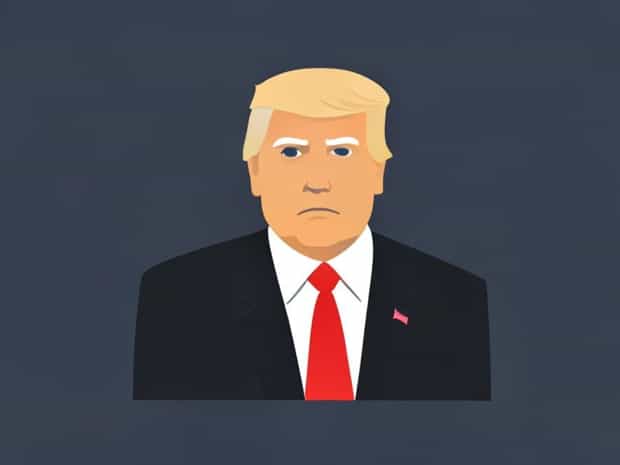
The question of whether a president can be impeached for dereliction of duty has been raised many times in political debates and legal discussions. In democratic systems, especially in the United States, impeachment is a constitutional process designed to hold the highest office accountable. While the Constitution does not list every specific act that qualifies as an impeachable offense, the idea of neglecting presidential responsibilities, failing to protect the nation, or willfully ignoring duties can certainly fall under serious misconduct. To fully understand this, one must look at constitutional principles, historical cases, and the broader meaning of dereliction of duty.
Understanding Impeachment
Impeachment is a process outlined in the U.S. Constitution, allowing Congress to remove a sitting president for treason, bribery, or other high crimes and misdemeanors. These terms are intentionally broad, giving lawmakers flexibility in deciding what conduct warrants impeachment. It is not the same as criminal prosecution; instead, it is a political process that determines whether a president is fit to continue serving.
Dereliction of duty, while not explicitly named, could potentially fall under high crimes and misdemeanors. This category has historically been interpreted to mean abuses of power, corruption, betrayal of trust, or serious neglect of constitutional responsibilities.
What Is Dereliction of Duty?
Dereliction of duty generally refers to the failure to fulfill official responsibilities. In a military context, it often means neglecting orders or failing to perform required tasks. When applied to a president, it can mean ignoring constitutional obligations, failing to protect national security, or deliberately refusing to enforce laws.
In simpler terms, dereliction of duty means a leader is not doing the job they were elected to do. For a president, this can involve both action and inaction choosing to misuse authority or choosing not to act when action is required.
Constitutional Grounds for Impeachment
Since the Constitution uses broad language, whether dereliction of duty qualifies as an impeachable offense depends on interpretation. The key phrase is high crimes and misdemeanors, which does not necessarily refer to everyday crimes but to serious violations of public trust.
Scholars argue that impeachment is intended to address misconduct that threatens the constitutional system. If a president’s neglect of duty weakens the government, endangers citizens, or undermines democracy, then Congress may consider impeachment as a response.
Historical Precedents
While no president has been impeached solely for dereliction of duty, past impeachment cases provide clues about how broadly misconduct can be interpreted
- Andrew Johnson (1868)Impeached for violating the Tenure of Office Act and resisting Reconstruction policies. While not labeled dereliction, his refusal to enforce congressional laws showed neglect of constitutional duty.
- Richard Nixon (1974)Resigned before impeachment proceedings could be completed. The charges included obstruction of justice and abuse of power forms of misconduct that involved failing to uphold presidential responsibilities.
- Bill Clinton (1998)Impeached for perjury and obstruction of justice. These charges were linked to personal conduct rather than dereliction of duty, but they still reflected concerns about integrity and responsibility.
- Donald Trump (2019 and 2021)Impeached twice once for abuse of power and obstruction of Congress, and later for incitement of insurrection. The second case especially connected to accusations of failing to act responsibly during a national crisis.
These examples show that impeachment has been applied to a variety of actions, from misuse of authority to refusal to carry out constitutional obligations. While dereliction of duty was not the exact charge, elements of it were present in these cases.
How Dereliction of Duty Could Apply
If a president refused to respond to a national emergency, deliberately ignored threats to public safety, or neglected constitutional responsibilities, Congress could interpret such behavior as dereliction of duty and grounds for impeachment. Some possible scenarios might include
- Failing to defend the nation during a military attack.
- Ignoring natural disasters or pandemics, leading to widespread harm.
- Refusing to enforce laws passed by Congress without legitimate constitutional reasoning.
- Withholding critical information from the public that endangers lives.
Each of these situations would represent neglect of presidential obligations, and if severe enough, could justify impeachment proceedings.
Arguments For and Against
Arguments in Favor of Impeachment for Dereliction
- Presidents take an oath to faithfully execute their office; neglecting that duty violates the oath.
- Allowing a president to ignore responsibilities without consequence undermines accountability.
- Dereliction of duty endangers national security and public trust, which fits the intent behind impeachment.
Arguments Against Impeachment for Dereliction
- The Constitution does not explicitly mention dereliction of duty as an impeachable offense.
- Some may argue that failure to act is a matter of poor leadership, not criminal misconduct.
- Political bias could lead to subjective interpretations of what counts as dereliction.
The Role of Congress
Ultimately, whether dereliction of duty is grounds for impeachment depends on Congress. The House of Representatives has the power to impeach, and the Senate has the power to convict and remove a president. If lawmakers agree that a president’s neglect of duty amounts to a betrayal of trust, they can treat it as an impeachable offense. This flexibility is both a strength and a challenge of the impeachment process it allows adaptation to different circumstances but also opens the door to political disputes.
Impact on Democracy
The possibility of impeaching a president for dereliction of duty highlights the balance of power in a democracy. No leader is above the law, and accountability is central to maintaining trust between government and citizens. If presidents were allowed to ignore their responsibilities without risk of removal, the very foundation of constitutional governance would weaken.
At the same time, impeachment should not be used carelessly. It must be reserved for serious misconduct that threatens the nation. Using impeachment as a routine response to political disagreements would damage the stability of government institutions.
Global Perspective
While the U.S. Constitution is the most studied example, other democracies also recognize the principle of removing leaders who neglect their duties. Parliamentary systems often use votes of no confidence, which allow legislatures to dismiss leaders who fail to govern effectively. This shows that across systems of government, dereliction of duty is considered a valid reason for removing leaders, even if the terminology and process differ.
A president can indeed be impeached for dereliction of duty if lawmakers determine that neglecting constitutional responsibilities amounts to high crimes and misdemeanors. Though the Constitution does not list it explicitly, historical precedents show that impeachment has always been flexible enough to address serious misconduct, whether through action or inaction. Dereliction of duty represents a failure to uphold the oath of office, a betrayal of public trust, and a threat to the nation’s well-being. While debates may continue over interpretation, the principle remains clear impeachment is the safeguard against a president who refuses to perform the duties of leadership.