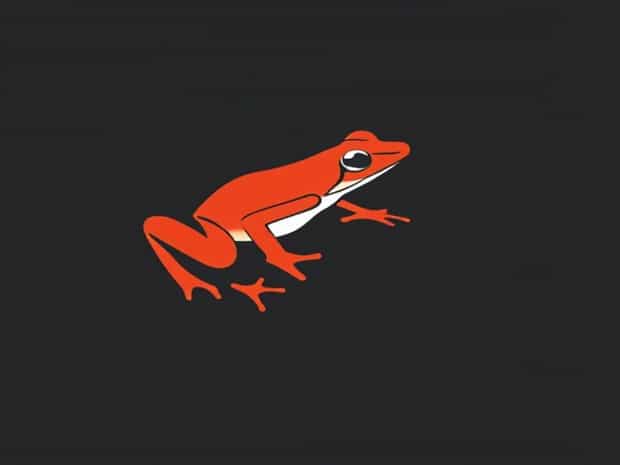
The California red-legged frog is a fascinating amphibian that has become both a cultural and ecological icon in the western United States. Known for its striking reddish coloring on the legs and its important role in local ecosystems, this frog has captured the attention of scientists, conservationists, and nature enthusiasts. Once abundant throughout California, its numbers have declined over the decades due to habitat loss, invasive species, and environmental pressures. Today, it is considered a threatened species, making its story one of survival, adaptation, and conservation efforts aimed at restoring its populations in the wild.
Physical Characteristics
The California red-legged frog is the largest native frog in the western United States. Adults typically measure between 2 to 5 inches in length, though some can grow slightly larger. Its most distinguishing feature is the reddish coloring found on the underside of its hind legs, which gives the species its name. The body is usually brown, gray, or olive with black spots and mottling that help it blend into marshy environments. A light-colored dorsal stripe can often be seen running from the nose down the back.
Differences from Other Frogs
One key way to distinguish the California red-legged frog from other frogs is its size and coloration. It is larger than most native species and has more pronounced hind limbs, suited for strong jumping and swimming. The reddish coloring is unique, and the pattern of black spots varies from individual to individual, providing a natural camouflage.
Habitat and Range
The frog’s preferred habitat includes freshwater marshes, ponds, streams, and slow-moving creeks with plenty of vegetation for cover. Historically, the California red-legged frog was widespread across California and parts of Baja California in Mexico. Today, its range has shrunk significantly, with stable populations found mainly along the central coast and in protected reserves.
Key Habitat Requirements
- Still or slow-moving freshwater bodies
- Vegetation for shelter and egg-laying
- Moist environments that prevent dehydration
- Connectivity between aquatic and upland habitats for seasonal movement
Behavior and Diet
The California red-legged frog is primarily nocturnal, being most active at night. During the day, it hides among vegetation or under logs and rocks. It is an opportunistic feeder, with a diet that includes insects, crustaceans, smaller amphibians, and even small mammals or birds when the opportunity arises.
Predators and Threats
Young frogs and tadpoles are particularly vulnerable to predation from fish, birds, and snakes. Adult frogs face threats from raccoons, herons, and invasive species such as the American bullfrog. Human activity has also contributed heavily to their decline, especially through habitat destruction and water pollution.
Reproduction and Life Cycle
Breeding usually occurs between late November and April, depending on rainfall and water availability. Males call to attract females, producing a low, throaty sound that can be difficult to detect. Females lay clusters of eggs attached to vegetation in still waters. A single clutch can contain thousands of eggs, which hatch into tadpoles within a few weeks.
Tadpole Development
The tadpole stage lasts several months, during which they feed on algae and plant material before metamorphosing into juvenile frogs. This stage is critical, as survival depends on stable water conditions and protection from predators.
Cultural and Historical Significance
The California red-legged frog holds a unique place in American culture. It was immortalized in Mark Twain’s famous short story The Celebrated Jumping Frog of Calaveras County,” which brought the species national attention in the 19th century. This literary connection has made the frog a symbol of California heritage, blending natural history with cultural storytelling.
Conservation Status
The species is currently listed as threatened under the U.S. Endangered Species Act. Conservation measures are focused on habitat protection, restoration of wetlands, and controlling invasive species. Protected areas across California have become critical safe zones where the frog’s population can stabilize and, ideally, increase.
Key Conservation Efforts
- Restoration of degraded wetland habitats
- Removal or control of invasive bullfrogs and predatory fish
- Captive breeding and reintroduction programs
- Legal protections under federal and state wildlife regulations
Challenges Facing the Species
Despite ongoing conservation work, the California red-legged frog continues to face challenges. Urban development has fragmented its habitat, while agricultural activities have altered water systems critical for survival. Climate change poses an additional threat, as shifting rainfall patterns and droughts reduce breeding opportunities and available habitats.
Why the California Red-Legged Frog Matters
This frog is not only important from a conservation standpoint but also serves as an indicator species. Its presence or absence reflects the overall health of wetland ecosystems. Protecting the frog also means protecting countless other species that share its habitat, from insects to birds and mammals. Additionally, maintaining healthy frog populations helps control insect numbers, contributing to ecological balance.
How the Public Can Help
Anyone interested in supporting the survival of the California red-legged frog can take part in conservation efforts. Public education, volunteer programs, and citizen science initiatives allow individuals to contribute to monitoring and habitat restoration. Supporting conservation organizations financially or through advocacy also strengthens efforts to protect this species.
Simple Steps for Individuals
- Participate in habitat clean-up and restoration projects
- Avoid releasing non-native species like bullfrogs or fish into local waters
- Support wetlands conservation programs
- Learn about and share information on the importance of amphibians
Future Outlook
While the California red-legged frog’s future remains uncertain, there is hope through continued conservation actions. Recovery plans set by government agencies and environmental groups are gradually making a difference. If current efforts persist and public awareness grows, it is possible that the frog will regain some of its historic range and population numbers in the coming decades.
The California red-legged frog represents more than just a species at risk it is a symbol of California’s natural heritage and the importance of protecting biodiversity. By understanding its biology, history, and the challenges it faces, we gain insight into the delicate balance of ecosystems. Conservation of this frog is not only about saving a single species but also about preserving the wetlands and habitats that sustain life across the region. With dedicated efforts, the story of the California red-legged frog can shift from one of decline to one of recovery and resilience.