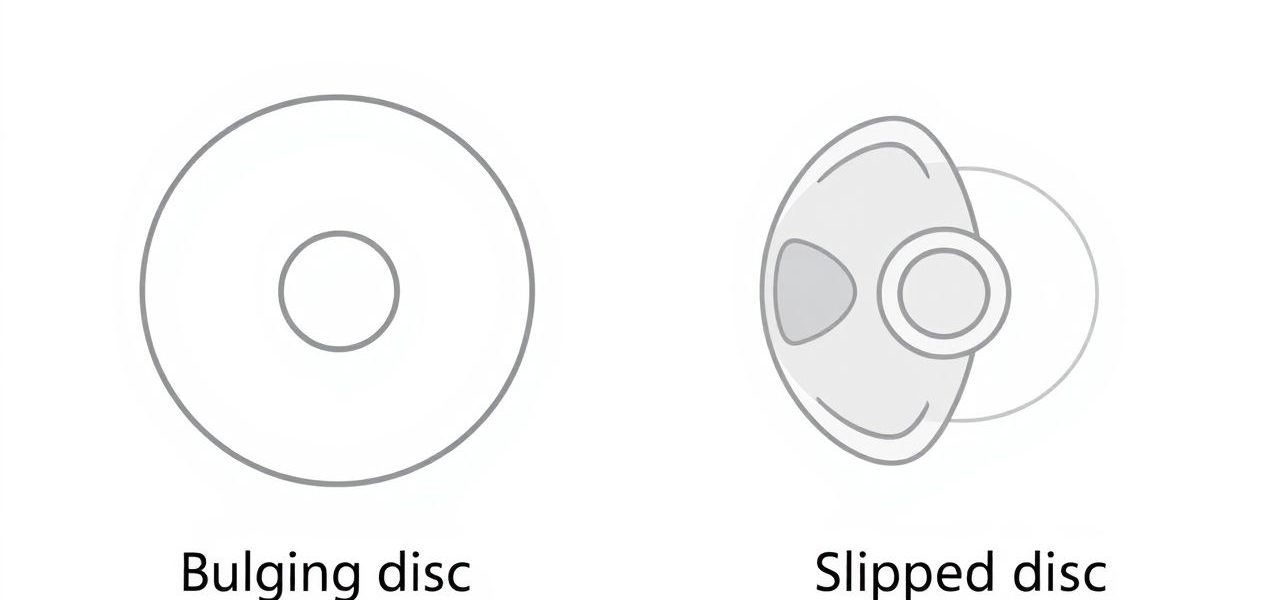
Many people use the terms bulging disc and slipped disc interchangeably, but they refer to two different conditions affecting the spine. Both involve the intervertebral discs, which act as cushions between the bones of the spine, but the way the disc changes shape and causes symptoms varies. Understanding the differences between these conditions can help with diagnosis, treatment choices, and long-term spine health. Whether caused by age-related degeneration, repetitive strain, or injury, learning the specifics of each condition ensures that individuals can better manage symptoms and prevent further damage.
Understanding the Structure of the Spine
The spine is made up of a series of vertebrae separated by discs composed of a tough outer layer called the annulus fibrosus and a gel-like inner core known as the nucleus pulposus. These discs provide flexibility, absorb shock, and help maintain proper alignment of the vertebrae. When something goes wrong with a disc, it can press on nearby nerves, leading to pain, numbness, or weakness.
What Is a Bulging Disc?
A bulging disc occurs when the outer layer of the disc protrudes outward beyond its normal boundary. This usually happens gradually due to wear and tear on the spine. The disc’s shape changes, often becoming flattened or swollen, but the inner gel-like material remains contained within the outer wall.
Characteristics of a Bulging Disc
- Typically develops slowly over time
- Often caused by degenerative disc disease or aging
- Disc shape changes but does not rupture
- May or may not cause symptoms, depending on nerve involvement
Common Causes
Bulging discs are frequently related to repetitive strain, poor posture, obesity, or prolonged sitting. Athletes and individuals with physically demanding jobs may also experience this condition due to ongoing stress on the spine.
What Is a Slipped Disc?
Slipped disc is a common term for a herniated disc, a condition where the inner gel-like core pushes through a tear or crack in the outer layer of the disc. This can cause direct nerve compression, leading to more intense and sudden symptoms compared to a bulging disc.
Characteristics of a Slipped Disc
- Involves a tear in the disc’s outer layer
- Inner material escapes and can press on nearby nerves
- Usually results in sharp pain, tingling, or weakness
- Can happen suddenly, often after lifting or twisting
Common Causes
Slipped discs are often caused by injury, heavy lifting, or sudden strain on the spine. They can also occur due to long-term degeneration that weakens the disc’s structure, making it more prone to rupture.
Differences Between Bulging Disc and Slipped Disc
Severity
A bulging disc is generally less severe than a slipped disc because the inner material stays inside the disc. A slipped disc involves a rupture, which increases the risk of significant nerve compression.
Symptoms
- Bulging discMay be asymptomatic or cause mild discomfort, stiffness, or occasional nerve pain.
- Slipped discOften leads to severe pain, numbness, tingling, and muscle weakness.
Onset
Bulging discs develop slowly over time, while slipped discs can occur suddenly, often after an injury or physical strain.
Diagnosis
Both conditions require proper imaging for diagnosis, usually through MRI or CT scans. A physical examination and review of symptoms help determine whether nerve involvement is present and to what extent.
Treatment Options
Non-Surgical Treatments
- Rest and activity modification
- Physical therapy to strengthen core and back muscles
- Pain-relieving medications and anti-inflammatory drugs
- Heat or ice therapy
- Epidural steroid injections for nerve-related pain
Surgical Treatments
Surgery is generally considered for severe cases, especially with a slipped disc that causes persistent pain, weakness, or loss of bladder/bowel control. Procedures may include discectomy, laminectomy, or spinal fusion, depending on the situation.
Prevention Strategies
Although not all cases can be prevented, healthy lifestyle choices can significantly lower the risk of developing either condition
- Maintain proper posture when sitting, standing, and lifting
- Engage in regular low-impact exercise such as swimming or walking
- Strengthen core muscles to support the spine
- Maintain a healthy body weight
- Avoid smoking, which can reduce disc health
When to Seek Medical Help
Seek immediate medical attention if you experience sudden, severe back pain, numbness in the legs, difficulty walking, or loss of bladder or bowel control. These can indicate significant nerve compression that requires urgent care.
Living with a Disc Condition
With proper treatment and lifestyle adjustments, many people with bulging or slipped discs can lead active lives. Ongoing self-care, awareness of body mechanics, and periodic check-ups with a healthcare provider are essential for long-term spine health.
In summary, while bulging discs and slipped discs share similarities, they differ in structure, severity, and treatment needs. Understanding these differences allows for more informed decisions about care and prevention, ultimately supporting a healthier spine and reducing the risk of chronic back problems.