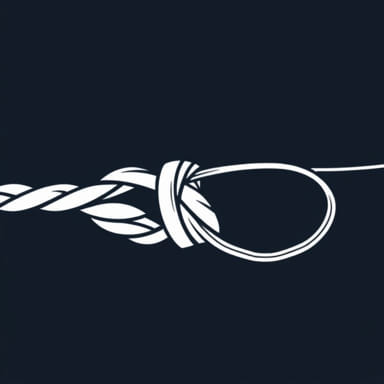
When it comes to fishing, having the right knot can make the difference between landing a trophy fish or losing it at the last moment. Anglers who use braided main lines often pair them with fluorocarbon leaders for added invisibility and abrasion resistance. However, because braid and fluorocarbon have different textures and stretch properties, connecting them requires a reliable, strong, and smooth knot. In this topic, we will explore the most effective braid to fluorocarbon leader knots, including how to tie them, why they work, and when to use each one.
Why Use a Fluorocarbon Leader with Braided Line?
Advantages of Braided Line
Braided fishing line is favored for its strength, sensitivity, and small diameter. It casts far, has zero stretch, and is very durable. However, it is also highly visible underwater and can spook fish, especially in clear conditions.
Benefits of Fluorocarbon Leader
Fluorocarbon is nearly invisible in water due to its light refraction properties. It also has excellent abrasion resistance, making it ideal for fishing around rocks, docks, or heavy cover. Adding a fluorocarbon leader to your braid setup helps improve your stealth and reduces line visibility to fish.
Why the Knot Matters
Because braid is slick and thin while fluorocarbon is stiff and sometimes brittle, joining them with a poor knot can lead to slippage or breakage. Using the right knot ensures a secure connection, smooth passage through rod guides, and less chance of failure during a fight.
Best Knots for Connecting Braid to Fluorocarbon
FG Knot
The FG Knot is widely considered the best knot for connecting braided line to a fluorocarbon leader. It creates a slim, strong connection that passes easily through rod guides. The FG Knot works by wrapping the braid around the fluorocarbon without actually tying the fluorocarbon into the knot.
How to Tie the FG Knot:
- Hold the fluorocarbon leader tight and begin wrapping the braid over it in a crisscross pattern, about 20 wraps.
- Lock the wraps in place with a series of half-hitches using the braid.
- Finish with a few final half-hitches around both lines for added security.
- Trim the tag ends closely and apply a small drop of knot glue if desired.
Double Uni Knot
The Double Uni Knot is a simple and effective knot for connecting braid to fluorocarbon. It’s easier to tie than the FG Knot and works well for most fishing situations. It does create a slightly bulkier knot but is dependable and easy to master.
How to Tie the Double Uni Knot:
- Overlap the braid and fluorocarbon lines by about 6 inches.
- Using the braid, make 68 turns around both lines and pass the tag end through the loop.
- Repeat the process using the fluorocarbon, but with 56 turns.
- Pull both standing lines to slide the knots together, then trim the tag ends.
Albright Knot
The Albright Knot is another reliable choice when tying braid to a fluorocarbon leader. It’s especially useful when the fluorocarbon is much thicker than the braid. While not as smooth as the FG Knot, it holds strong under pressure and is relatively quick to tie.
How to Tie the Albright Knot:
- Create a loop in the fluorocarbon leader.
- Insert the braid through the loop and wrap it back over itself and around the loop 1012 times.
- Bring the tag end of the braid back through the loop in the same direction it entered.
- Moisten the knot and pull tight slowly to form a tight wrap.
Improved Alberto Knot
The Improved Alberto Knot is a strong and compact knot ideal for connecting different line types. It is particularly useful when you need a knot that can pass through micro guides smoothly without getting caught.
How to Tie the Improved Alberto Knot:
- Form a loop in the fluorocarbon leader and pass the braid through.
- Wrap the braid up the loop 7 times and back down 7 times.
- Pass the braid tag end back through the loop and pull tight gently.
- Trim both tag ends closely.
Tips for Tying Strong Braid to Fluorocarbon Knots
Moisten Before Tightening
Always wet the knot before tightening. This reduces friction and heat, which can weaken the fluorocarbon or cause line damage.
Use Proper Line Ratios
Try to keep the diameter difference between the braid and fluorocarbon reasonable. A very thick leader tied to very thin braid may not hold well. Choose line sizes that are close in strength for better knot performance.
Practice Makes Perfect
Some of these knots, like the FG Knot, require practice to master. Don’t be discouraged by early failures. Take time to learn and tie them correctly at home before heading out to the water.
Use Quality Line
Using high-quality braid and fluorocarbon ensures better knot strength and reliability. Inferior lines may be inconsistent in thickness and more prone to breakage or slippage.
Choosing the Right Knot for Your Fishing Style
For Offshore and Saltwater Anglers
Saltwater anglers who target large fish like tuna or snook may prefer the FG Knot due to its strength and slim profile. It handles pressure well and won’t catch on guides when casting long distances.
For Freshwater and Casual Anglers
If you’re fishing for bass, walleye, or trout in freshwater, the Double Uni Knot or Albright Knot is usually sufficient. They are quick to tie and perform well under normal fishing conditions.
For Light Tackle Setups
The Improved Alberto Knot is perfect for finesse fishing or ultralight tackle where knot size and smoothness are critical. It works great with braided line connected to light fluorocarbon leaders.
Learning how to tie the best braid to fluorocarbon leader knot is a valuable skill that enhances your fishing success. Whether you choose the FG Knot for maximum strength, the Double Uni for simplicity, or the Alberto Knot for finesse, each has its place in your fishing toolkit. Take time to practice these knots, understand when to use each one, and always prioritize knot strength and smoothness for a better angling experience. With the right knot, you’ll be ready for any situation on the water and confident that your line will hold when it matters most.