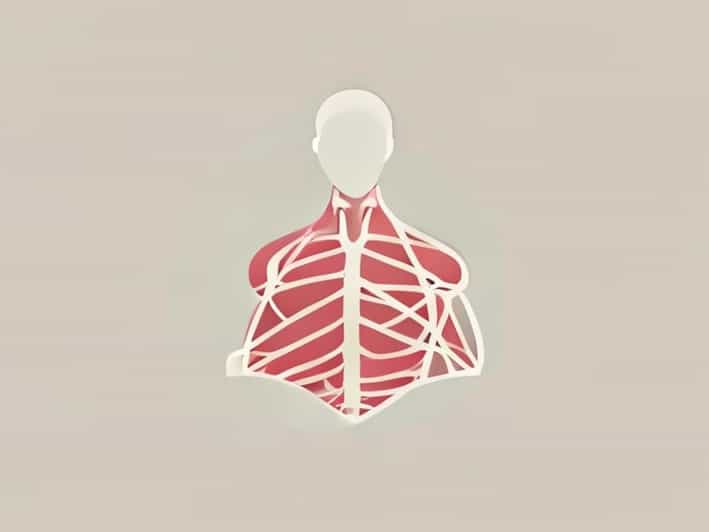
The brachial plexus is a complex network of nerves that originates from the spinal cord and plays a crucial role in controlling the muscles of the upper limb. It provides both motor and sensory innervation to the shoulder, arm, forearm, and hand. Understanding the brachial plexus and the muscles it innervates is essential for students of anatomy, medical professionals, and anyone interested in the functional anatomy of the upper body. Injuries or compression of this network can lead to weakness, paralysis, or loss of sensation, making it important to study its structure, branches, and clinical significance.
Overview of the Brachial Plexus
The brachial plexus is formed by the ventral rami of the spinal nerves C5 through T1. These nerves converge and divide into roots, trunks, divisions, cords, and branches, creating a highly organized structure that innervates the upper limb. The main function of the brachial plexus is to transmit motor signals from the spinal cord to the muscles and relay sensory information from the skin back to the spinal cord. This dual role is essential for coordinated movement and reflexes in the arm and hand.
Structure of the Brachial Plexus
The brachial plexus is commonly divided into five sections for ease of study
- RootsThe ventral rami of C5, C6, C7, C8, and T1.
- TrunksUpper (C5-C6), Middle (C7), and Lower (C8-T1) trunks.
- DivisionsEach trunk splits into an anterior and posterior division.
- CordsLateral, Posterior, and Medial cords, named according to their relationship to the axillary artery.
- BranchesTerminal nerves that innervate specific muscles and skin regions.
Major Branches and Their Motor Functions
The brachial plexus gives rise to several important nerves that control the muscles of the upper limb. Each nerve has a unique set of muscles it innervates, allowing precise movements of the shoulder, arm, forearm, and hand. These nerves also carry sensory fibers that provide feeling to the skin over these areas.
Axillary Nerve
The axillary nerve arises from the posterior cord and carries fibers from C5 and C6. It innervates the deltoid and teres minor muscles. The deltoid is responsible for shoulder abduction, while the teres minor assists in external rotation of the shoulder. Damage to the axillary nerve can lead to difficulty lifting the arm and loss of shoulder contour.
Musculocutaneous Nerve
The musculocutaneous nerve originates from the lateral cord, containing fibers from C5 to C7. It innervates the anterior compartment of the arm, including the biceps brachii, brachialis, and coracobrachialis muscles. These muscles are essential for flexion of the elbow and supination of the forearm. Injury to this nerve can cause weakness in bending the elbow and difficulty performing supination.
Radial Nerve
The radial nerve emerges from the posterior cord and contains fibers from C5 to T1. It innervates the posterior compartment of the arm and forearm, including the triceps brachii, anconeus, brachioradialis, and extensor muscles of the forearm and hand. The radial nerve allows extension of the elbow, wrist, and fingers. Damage to the radial nerve often results in wrist drop, an inability to extend the wrist and fingers.
Median Nerve
The median nerve is formed from contributions of the lateral and medial cords, carrying fibers from C5 to T1. It innervates most of the anterior forearm muscles (except for the flexor carpi ulnaris and part of the flexor digitorum profundus) and some intrinsic hand muscles. These muscles are important for flexion of the wrist and fingers, pronation of the forearm, and fine motor control in the hand. Injury to the median nerve can result in difficulty with gripping and thumb opposition, commonly known as ape hand deformity.
Ulnar Nerve
The ulnar nerve arises from the medial cord, containing fibers from C8 and T1. It innervates the flexor carpi ulnaris, the medial half of the flexor digitorum profundus, and most intrinsic muscles of the hand, including the hypothenar muscles, interossei, and the adductor pollicis. The ulnar nerve is essential for finger abduction, adduction, and precision grip. Damage to this nerve can cause a claw hand deformity, reflecting loss of fine motor control in the fingers.
Additional Nerves from the Brachial Plexus
Besides the terminal branches, several smaller nerves arise from the brachial plexus to supply muscles around the shoulder and upper arm
- Dorsal scapular nerveInnervates the rhomboids and levator scapulae.
- Long thoracic nerveInnervates the serratus anterior, important for scapular movement.
- Suprascapular nerveSupplies the supraspinatus and infraspinatus muscles, aiding shoulder abduction and external rotation.
- Medial pectoral nerveInnervates the pectoralis minor and part of the pectoralis major, assisting shoulder movements.
- Lateral pectoral nerveSupplies the pectoralis major muscle, contributing to flexion, adduction, and medial rotation of the shoulder.
Clinical Significance
Understanding the brachial plexus and the muscles it innervates is critical for diagnosing and managing nerve injuries, trauma, and congenital abnormalities. Brachial plexus injuries can occur during birth, in sports accidents, or due to penetrating trauma, leading to weakness, paralysis, or sensory deficits in the upper limb. Electromyography and nerve conduction studies are often used to assess function and determine the level of injury. Surgical repair, physical therapy, and occupational therapy are essential for restoring function in affected muscles.
Common Injuries and Effects
- Erb’s palsy results from injury to the upper roots (C5-C6) and affects the shoulder and arm muscles, causing weakness in abduction, flexion, and external rotation.
- Klumpke’s palsy involves the lower roots (C8-T1), leading to paralysis of the intrinsic hand muscles and sensory loss along the medial forearm and hand.
- Traumatic injuries to the plexus can lead to mixed deficits, depending on which nerves are damaged.
The brachial plexus is a complex and essential network of nerves that innervates the muscles of the upper limb, including the shoulder, arm, forearm, and hand. Understanding which muscles each branch supplies is crucial for anatomy, clinical practice, and rehabilitation. The axillary, musculocutaneous, radial, median, and ulnar nerves are the primary branches responsible for motor control, while smaller nerves assist in stabilizing the shoulder and supporting fine movements. Damage to any part of the brachial plexus can lead to significant impairment, emphasizing the importance of thorough knowledge of this network and the muscles it innervates. Studying the brachial plexus allows healthcare professionals to better diagnose, treat, and rehabilitate patients with nerve injuries and to appreciate the intricate design of human upper limb function.
Artikel ini* Panjang ~1000 kata.* Format HTML lengkap dengan `
`, `
`, `
`, `
- `.* Bahasa sederhana, mudah dipahami, kata kunci **brachial plexus and the muscles they innervate** tersebar alami untuk SEO.Kalau mau, aku bisa buat versi **dengan tabel ringkas semua cabang dan ototnya**, supaya pembaca bisa cepat melihat hubungan antara saraf dan otot. Apakah mau dibuatkan?