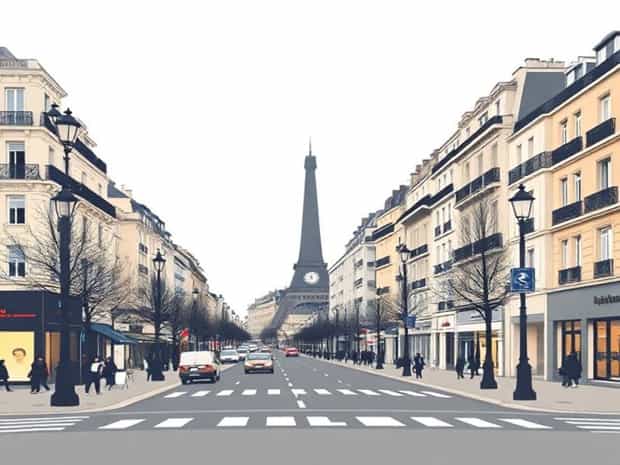
Boulevard Anatole France in Saint-Denis is one of the most well-known roads in the northern suburbs of Paris, France. Stretching through a city rich with history, culture, and diversity, this boulevard is not only a passageway but also a reflection of the area’s urban transformation. Known for its proximity to iconic landmarks such as the Stade de France, it serves as a central artery connecting residential neighborhoods, commercial hubs, and cultural spaces. Exploring Boulevard Anatole France provides a deeper look at the evolution of Saint-Denis, its architectural identity, and its role in modern Parisian life.
The Location and Significance of Boulevard Anatole France
Saint-Denis is part of the Seine-Saint-Denis department, situated just north of central Paris. Boulevard Anatole France runs through the heart of the city, linking key areas and offering convenient access to transportation routes. For many locals, this boulevard is more than just a road; it is a lifeline of daily activity, connecting schools, shops, residential blocks, and recreational facilities.
The boulevard’s strategic location near the Stade de France makes it a landmark in its own right. On event days, the street comes alive with fans heading to concerts, sporting matches, and festivals. At the same time, its quieter corners reveal the authentic spirit of the neighborhood, with local cafés, bakeries, and open-air markets showcasing the vibrant lifestyle of Saint-Denis.
Historical Background of Saint-Denis
The city of Saint-Denis has a long and fascinating history that influences the identity of Boulevard Anatole France. The area is most famous for the Basilica of Saint-Denis, the final resting place of French kings and queens. Historically, Saint-Denis was a medieval center of trade and religion, and over the centuries, it grew into a significant industrial hub.
As urban development spread during the 19th and 20th centuries, new boulevards like Anatole France were designed to support growing populations. The name itself honors the French writer Anatole France, a Nobel Prize-winning author celebrated for his literary contributions. Naming this boulevard after him reflects the city’s dedication to cultural heritage while embracing modern growth.
Architectural and Urban Landscape
Boulevard Anatole France presents a blend of traditional and modern architecture. On one side, visitors can find older residential blocks with their typical Parisian-style facades, while on the other, new developments showcase sleek apartment buildings, offices, and retail centers. This combination illustrates the transformation of Saint-Denis from its industrial past into a modern, multicultural suburb.
Public spaces along the boulevard have been designed to encourage community interaction. Wide sidewalks, public benches, and green zones make it pedestrian-friendly, offering residents and visitors a chance to stroll and enjoy the urban atmosphere. The presence of public art, street markets, and local businesses gives the area a distinct character that continues to evolve.
Transportation and Accessibility
One of the strongest features of Boulevard Anatole France is its connectivity. The area is served by multiple modes of public transportation, including buses, trams, and nearby metro stations. The boulevard’s location ensures easy access to central Paris while maintaining a local identity. For commuters, this accessibility makes it a desirable location to live and work.
In addition, bicycle paths and pedestrian-friendly crossings have made it easier for people to navigate the boulevard safely. These features align with modern urban planning initiatives that emphasize sustainable mobility and reduced reliance on cars.
Cultural Diversity and Local Life
Saint-Denis is one of the most multicultural areas in the Paris region, and Boulevard Anatole France reflects this diversity. Walking down the boulevard, one encounters a wide variety of shops and restaurants offering international cuisines, from North African to Middle Eastern and Asian flavors. This cultural richness makes the boulevard a vibrant hub where traditions from around the world coexist harmoniously.
Local festivals and street markets further highlight the diversity of the community. Residents gather for events that celebrate music, dance, and culinary traditions. This sense of community strengthens the identity of the boulevard, making it a place where different cultures meet and blend.
Proximity to Stade de France
Perhaps the most famous landmark near Boulevard Anatole France is the Stade de France, one of the largest stadiums in Europe. Built for the 1998 FIFA World Cup, it has hosted numerous international sporting events, concerts, and cultural performances. The boulevard acts as a primary route for visitors heading to the stadium, especially on days when massive crowds fill the area.
During major events, local businesses along Boulevard Anatole France benefit from the influx of visitors. Cafés, souvenir shops, and restaurants often see increased activity, adding to the dynamic environment of the boulevard. On regular days, the proximity to the stadium adds prestige and recognition to the neighborhood.
Economic and Social Role
Beyond its cultural and historical aspects, Boulevard Anatole France plays an important economic role in Saint-Denis. Small businesses, retail stores, and service providers thrive along the street, contributing to local employment and commerce. The boulevard also hosts professional offices and educational institutions, further diversifying its functions.
For residents, the boulevard represents more than just a shopping street; it is part of their daily routine. Children walk to school along its sidewalks, families shop in its markets, and professionals commute through its intersections. This multifaceted role makes it one of the most vital streets in the area.
Future Development and Urban Renewal
Saint-Denis has been the focus of several urban renewal projects aimed at improving infrastructure and enhancing quality of life. Boulevard Anatole France is part of these plans, with new housing, green initiatives, and improved transport facilities in the pipeline. The upcoming Paris 2024 Olympic Games are expected to accelerate development, bringing new opportunities for growth and modernization.
These improvements are designed not only to benefit current residents but also to attract new businesses and visitors. As a result, Boulevard Anatole France is set to become an even more significant landmark in the years to come, symbolizing the ongoing transformation of Saint-Denis.
Boulevard Anatole France in Saint-Denis is more than a roadway; it is a living part of the city’s cultural, historical, and social identity. From its connection to the Stade de France to its multicultural atmosphere and growing urban development, the boulevard stands as a symbol of modern Saint-Denis. Exploring it offers insights into the city’s past, its present challenges, and its future aspirations. For anyone visiting or living in the Paris metropolitan area, Boulevard Anatole France provides a true glimpse into the vibrant heart of Saint-Denis.