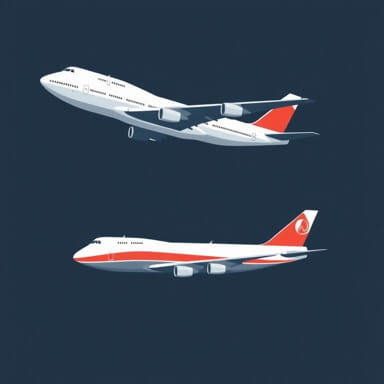
The Boeing 747 Supertanker is one of the most powerful aerial firefighting aircraft ever developed. Originally based on the iconic Boeing 747 jumbo jet, this modified aircraft has been transformed to combat massive wildfires with unmatched precision and capacity. Its size, speed, and payload make it a valuable asset in emergency response efforts, especially in regions where wildfires have become more frequent and devastating. Understanding the Boeing 747 Supertanker’s capacity reveals why it stands out among firefighting tools and how it has set a new standard in aerial suppression operations.
Introduction to the Boeing 747 Supertanker
The Boeing 747 Supertanker was developed as a high-capacity aerial firefighting aircraft, designed to deliver enormous volumes of fire retardant or water across vast areas. It has operated under different owners and configurations, but its core mission has remained the same: provide rapid, effective support in the fight against large-scale wildfires.
While it is no longer in active service as of recent years, the aircraft made a significant impact on the firefighting community during its years of operation. Its capacity to carry and disperse thousands of gallons of fire retardant in a single flight earned it international attention and admiration from firefighters, pilots, and environmental agencies alike.
Aircraft Specifications
To appreciate the Supertanker’s role, it’s helpful to understand the technical background of the aircraft. The model typically used for the Supertanker was a Boeing 747-400 or 747-100 variant, which are both known for their long-range capabilities and structural strength.
Key Technical Features:
- Aircraft type: Boeing 747 (usually 747-400)
- Length: Approximately 232 feet (70.8 meters)
- Wingspan: 211 feet (64.4 meters)
- Maximum takeoff weight: About 875,000 pounds (396,890 kilograms)
- Top speed: Around 600 mph (965 km/h)
- Cruising altitude: Up to 45,000 feet (13,716 meters), though firefighting operations typically occur at much lower altitudes
Fire Retardant Capacity
The standout feature of the Boeing 747 Supertanker is undoubtedly its payload capacity. The aircraft can carry up to 19,200 gallons (approximately 72,700 liters) of fire retardant, water, or other suppression agents. This massive volume is nearly double the capacity of many other large air tankers used in firefighting.
Comparison with Other Aerial Firefighting Aircraft:
- DC-10 Air Tanker: ~12,000 gallons
- C-130 Hercules (MAFFS): ~3,000 gallons
- Canadair CL-415 (Water Bomber): ~1,600 gallons
The Supertanker’s enormous tank system spans most of the lower fuselage and is pressurized to allow precise dispersal of its load. The aircraft uses a series of computer-controlled nozzles to release retardant in patterns suited for different terrain and fire conditions.
Operational Capabilities
The Boeing 747 Supertanker can reach anywhere in the world within a matter of hours, thanks to its long range and speed. It is capable of performing multiple drops during a single mission and can reload and refuel in as little as 30 to 40 minutes when support logistics are well-coordinated.
Notable Features for Firefighting Missions:
- Pressurized tank system for controlled dispersal
- High-altitude and low-altitude operational flexibility
- Ability to deliver full or segmented drops
- Global reach with limited refueling requirements
The aircraft can lay down a line of retardant over three miles long in a single pass, which is especially effective in creating firebreaks or reinforcing containment lines. Its altitude flexibility also allows it to operate above smaller firefighting aircraft without interference, making it a strong component in coordinated multi-aircraft missions.
Deployment History
Throughout its service life, the Boeing 747 Supertanker was used in several major wildfire events, including those in the United States, Chile, and Israel. It was particularly valuable during the massive fire seasons in California and the Pacific Northwest, where vast terrain and fast-spreading flames required urgent aerial support.
Key Deployments:
- California Wildfires (multiple years)
- Chile Forest Fires (2017)
- Colorado and Arizona fires
- Israeli Wildfires (2010)
In these situations, the Supertanker played a supporting role to ground crews, helping to slow the spread of fires and protect populated areas. Its large capacity made it ideal for reinforcing containment lines in inaccessible or high-risk zones.
Challenges and Limitations
Despite its many advantages, the Boeing 747 Supertanker faced operational and financial challenges. Its size, while beneficial for capacity, also made it less suitable for some terrains, particularly mountainous or forested areas with limited visibility. It required longer runways for takeoff and landing, limiting its base of operations.
Another challenge was cost. Operating and maintaining a 747 for firefighting missions is significantly more expensive than using smaller aircraft. These financial pressures eventually led to the grounding of the Supertanker, despite public and governmental support for its continued use.
Legacy and Future of High-Capacity Air Tankers
The Boeing 747 Supertanker demonstrated that ultra-large aircraft could be viable tools for fighting wildfires, especially in large-scale emergencies. Its development helped set a precedent for future aircraft conversions and inspired discussions about investing in similar high-capacity solutions.
Although the Supertanker is no longer flying, its legacy lives on. Fire agencies, aviation developers, and governments continue to explore new methods of enhancing aerial firefighting capabilities. These may include drones, autonomous aircraft, and next-generation tankers based on newer platforms with improved fuel efficiency and terrain adaptability.
The Boeing 747 Supertanker represented a milestone in aerial firefighting. With its impressive capacity of 19,200 gallons and the ability to deliver this payload rapidly and precisely, it proved to be an effective weapon against the growing threat of wildfires. While its operational challenges ultimately brought its career to an end, the lessons learned from its deployment continue to inform firefighting strategies worldwide. As climate change increases the frequency and severity of wildfires, the need for high-capacity aerial solutions like the Supertanker remains as urgent as ever. Its legacy serves as both inspiration and blueprint for the future of firefighting from the skies.