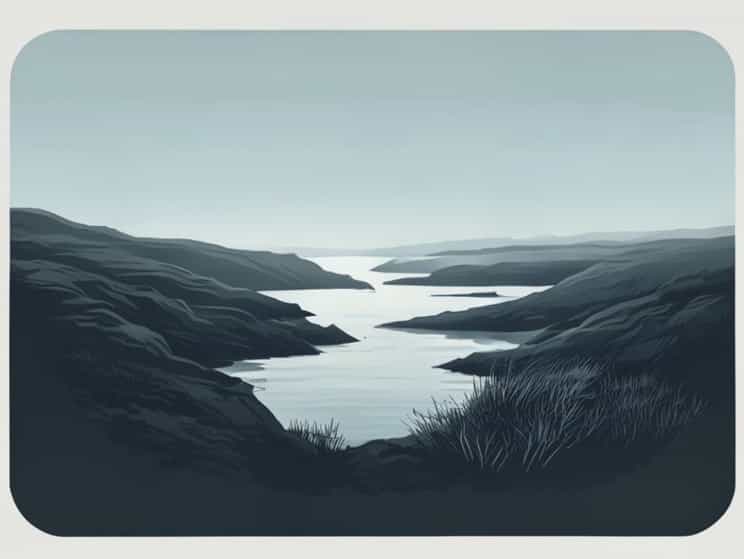
Exploring the natural world often leads us to landscapes that are both hauntingly beautiful and profoundly desolate. Among such terrains, the phrase bleak inlet to forlorn muskeg evokes imagery of a remote, watery passage opening into an expansive, marshy wilderness. These words capture not only a physical environment but also the mood, atmosphere, and subtle narrative that such places can inspire. From the muted colors of a misty inlet to the treacherous, soggy expanse of muskeg, these landscapes offer rich material for writers, travelers, and nature enthusiasts alike, highlighting the stark beauty and challenges of untamed wilderness.
Understanding the Bleak Inlet
A bleak inlet typically refers to a narrow body of water, such as a bay or estuary, that appears desolate and uninviting. Unlike lively harbors or bustling rivers, a bleak inlet conveys emptiness, isolation, and exposure to the elements. The term bleak emphasizes the absence of warmth, human presence, or lush surroundings, often portraying a landscape dominated by rocky shores, cold waters, and sparse vegetation. In literature and travel writing, bleak inlets often symbolize emotional states such as solitude, melancholy, or contemplation, while also representing the untamed forces of nature.
Characteristics of a Bleak Inlet
- Physical FeaturesNarrow water channels, rocky or sandy shores, occasional cliffs, and a general sense of barrenness.
- Climate InfluenceHarsh weather conditions, cold winds, fog, or overcast skies contribute to the inlet’s desolate appearance.
- Ecological AspectsSparse vegetation and limited wildlife compared to more fertile coastal areas, though certain hardy species may thrive.
For explorers and nature enthusiasts, a bleak inlet can be both challenging and mesmerizing. Its raw, untouched nature offers a glimpse into ecosystems that remain largely unaffected by human intervention, creating opportunities for study and reflection.
The Forlorn Muskeg
Muskeg is a type of wetland found primarily in boreal regions, characterized by waterlogged soils, peat accumulation, and thick vegetation, often including mosses, sedges, and stunted shrubs. When described as forlorn, the muskeg evokes feelings of loneliness, abandonment, and difficulty in navigation. Unlike typical marshes, muskeg can be treacherous, with hidden water channels and unstable ground that make travel hazardous. The term forlorn intensifies the sense of isolation, suggesting a landscape where human presence is rare and survival is demanding.
Key Features of Forlorn Muskeg
- Challenging TerrainWaterlogged and spongy ground that makes walking or driving difficult.
- VegetationDominated by sphagnum moss, shrubs, and sparse trees, often forming dense mats over the wetland.
- WildlifeSpecialized animals such as moose, beavers, and various bird species adapt to the muskeg environment.
- AtmosphereThe landscape often feels silent, eerie, and remote, contributing to its forlorn quality.
For photographers, writers, and naturalists, a forlorn muskeg offers a canvas of isolation and mystery. Its challenging terrain demands respect and careful preparation, as the environment can be unforgiving yet breathtakingly unique.
Connecting Bleak Inlets to Forlorn Muskeg
The imagery of a bleak inlet flowing into a forlorn muskeg conveys a journey from one desolate environment into an even more isolated and challenging landscape. The inlet serves as a transitional space, moving from water to wetland, from open skies to dense moss mats, and from relative accessibility to remote wilderness. This transition highlights the interplay between different ecological zones and emphasizes the raw, untamed character of northern or boreal landscapes.
Symbolism and Metaphor
Beyond its literal meaning, the phrase can serve as a metaphor in literature, environmental writing, and reflective essays
- Emotional StatesMoving from a bleak inlet to a forlorn muskeg can symbolize a journey from uncertainty to deeper solitude or introspection.
- Challenges and ResilienceThe transition represents navigating increasingly difficult circumstances, whether in nature or life.
- Exploration and DiscoveryThis progression emphasizes the discovery of untouched, raw environments and the rewards of venturing into less-traveled paths.
Ecological Significance
From an ecological perspective, bleak inlets and forlorn muskegs play crucial roles in their respective ecosystems. Inlets serve as habitats for fish, migratory birds, and marine invertebrates, while muskeg wetlands act as carbon sinks, water filters, and breeding grounds for unique species. The juxtaposition of these environments highlights the diversity and complexity of natural landscapes, emphasizing the importance of conservation and careful study.
Conservation Considerations
- Protection of WildlifeBoth inlets and muskeg support specialized flora and fauna that may be sensitive to human disturbance.
- Climate ImpactMuskeg wetlands store significant amounts of carbon, and their preservation is vital for mitigating climate change.
- Sustainable ExplorationVisitors and researchers must take care to minimize ecological footprints when exploring these fragile environments.
Experiencing Bleak Inlets and Forlorn Muskeg
For adventurers, photographers, and writers, these landscapes offer unparalleled opportunities for inspiration. A bleak inlet invites quiet contemplation, while the forlorn muskeg challenges endurance and navigation skills. Together, they create a dynamic, immersive experience that can deepen appreciation for the power and beauty of remote wilderness areas.
Practical Tips for Visitors
- Carry appropriate gear for wet and uneven terrain.
- Use navigation tools, as landmarks may be scarce and the landscape disorienting.
- Respect wildlife and vegetation, avoiding unnecessary disturbance.
- Prepare for variable weather conditions, which can change rapidly in remote areas.
- Consider guided tours or local expertise to safely explore challenging regions.
The journey from a bleak inlet to a forlorn muskeg captures the essence of remote wilderness, combining visual desolation with ecological richness and metaphorical depth. These landscapes challenge the senses, inspire reflection, and demand respect for their raw, untamed nature. Whether approached as a literal exploration, a literary motif, or a study in environmental science, the imagery of bleak inlets flowing into forlorn muskeg offers a profound appreciation of the beauty, danger, and solitude that untouched natural environments provide. By understanding and preserving these unique terrains, we can continue to experience their mystery and maintain the ecological balance that makes them vital to our planet.