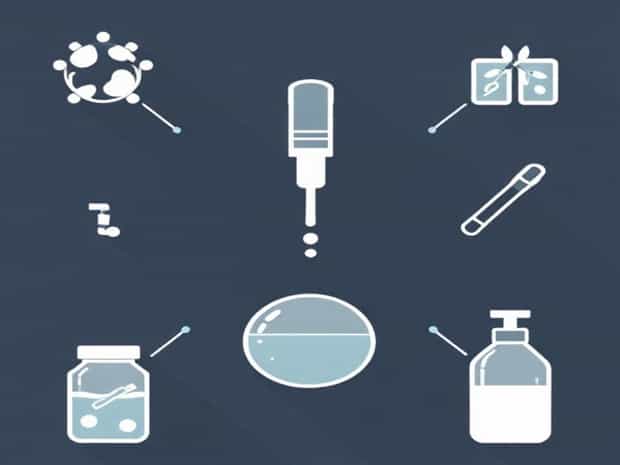
Biotechnology has become one of the most influential fields in science, shaping how we approach medicine, agriculture, environmental protection, and industrial production. It involves the use of living systems and organisms to develop products and technologies that improve our daily lives. From life-saving drugs to genetically modified crops, biotechnology has a vast impact on society. However, biotechnology cannot function without specialized biotechnological equipment that enables scientists to manipulate cells, analyze genetic material, and conduct experiments with high precision. Understanding both biotechnology and biotechnological equipment helps us see how innovation in laboratories translates into real-world solutions.
The Scope of Biotechnology
Biotechnology is a broad discipline that integrates biology with technology. It covers areas such as genetic engineering, molecular biology, bioprocessing, and bioinformatics. By applying scientific methods to biological systems, biotechnology enables breakthroughs that were once unimaginable. It supports the development of new therapies, increases agricultural productivity, and provides sustainable solutions for industries facing environmental challenges.
Applications of Biotechnology
-
Medical biotechnologyUsed to create vaccines, antibiotics, gene therapies, and advanced diagnostic tools.
-
Agricultural biotechnologyHelps develop pest-resistant crops, improve nutritional content, and increase yields.
-
Environmental biotechnologyApplies biological methods to clean pollutants, recycle waste, and promote sustainable practices.
-
Industrial biotechnologyUses enzymes and microorganisms to manufacture biofuels, chemicals, and biodegradable plastics.
These applications demonstrate how biotechnology is not limited to the laboratory but has a direct impact on global health, food supply, and environmental sustainability.
The Role of Biotechnological Equipment
Behind every breakthrough in biotechnology lies advanced equipment that allows scientists to conduct research with accuracy and reliability. Biotechnological equipment includes instruments designed for analyzing DNA, studying proteins, culturing cells, and scaling up production processes. Without such tools, biotechnology would not have reached the level of sophistication it enjoys today.
Essential Biotechnological Equipment
-
Polymerase Chain Reaction (PCR) machinesCrucial for amplifying DNA sequences, enabling genetic studies and diagnostics.
-
CentrifugesUsed to separate components of biological samples, such as cells, proteins, and nucleic acids.
-
Fermenters and bioreactorsSupport large-scale production of biological products such as vaccines, enzymes, and biofuels.
-
MicroscopesAllow detailed visualization of cells and microorganisms.
-
Chromatography systemsEnable purification and analysis of proteins, nucleic acids, and metabolites.
Each piece of equipment serves a distinct purpose in the chain of biotechnological processes, from research and development to production and quality control.
Integration of Biotechnology and Equipment
The relationship between biotechnology and biotechnological equipment is symbiotic. Innovations in equipment allow for more complex experiments, while advancements in biotechnology create demand for new tools. For example, the rise of gene editing technologies such as CRISPR required the development of more precise imaging systems and sequencing machines. Similarly, large-scale production of vaccines would not be possible without high-capacity bioreactors and advanced purification equipment.
Case Study Vaccine Development
The development of modern vaccines illustrates how biotechnology and equipment work hand in hand. Scientists use biotechnological methods to identify viral proteins and create genetic constructs, while equipment such as fermenters, chromatography systems, and quality control analyzers ensure safe and effective mass production. This integration demonstrates the essential role equipment plays in translating laboratory research into public health solutions.
Biotechnology in Healthcare
Healthcare is perhaps the most visible area where biotechnology has transformed outcomes. From personalized medicine to regenerative therapies, biotechnology is redefining how we treat diseases. Equipment such as automated DNA sequencers and next-generation imaging devices make it possible to identify genetic predispositions, tailor treatments, and monitor progress with unparalleled precision.
Examples in Healthcare
-
Gene therapy approaches that rely on viral vectors produced in specialized bioreactors.
-
Monoclonal antibody production using hybridoma technology supported by purification equipment.
-
Point-of-care diagnostic devices that use biosensors to quickly identify infections.
These innovations illustrate how biotechnology and equipment jointly contribute to better diagnosis, treatment, and prevention of diseases.
Agricultural Biotechnology and Equipment
In agriculture, biotechnology addresses challenges such as food security, climate change, and resource limitations. Advanced equipment allows for genetic modification of crops, soil analysis, and monitoring of plant growth under controlled conditions. Tools like gene editing systems, high-throughput sequencers, and automated greenhouse technologies ensure the success of agricultural biotechnology initiatives.
Benefits in Agriculture
-
Developing crops resistant to pests, reducing the need for chemical pesticides.
-
Enhancing tolerance to drought and salinity through genetic modification.
-
Improving crop yields to support growing populations.
Without biotechnological equipment, these advancements would not be possible at the scale required to meet global food demands.
Industrial and Environmental Biotechnology
Industrial biotechnology uses living systems to produce goods more sustainably. Biotechnological equipment enables large-scale fermentation, enzyme production, and purification processes. Environmental biotechnology, on the other hand, applies similar methods to protect ecosystems. Equipment such as bioreactors, biosensors, and wastewater treatment systems plays a central role in reducing industrial impact on the environment.
Examples of Impact
-
Biofuel production using engineered microorganisms cultivated in fermenters.
-
Bioremediation projects where biosensors and monitoring systems track pollutant breakdown.
-
Biodegradable plastic production using microbial processes.
These contributions demonstrate how biotechnology and equipment create pathways to a greener and more sustainable future.
Challenges and Future Directions
Despite the progress, challenges remain in the development and use of biotechnology and biotechnological equipment. High costs, ethical debates, and the need for standardized regulations often slow down implementation. Additionally, advanced equipment requires skilled personnel and proper infrastructure, limiting access in certain regions. However, as technology continues to advance, we can expect more cost-effective tools and broader applications.
Future Trends
-
Integration of artificial intelligence with biotechnological equipment for faster data analysis.
-
Miniaturization of devices for portable and point-of-care applications.
-
Expansion of synthetic biology, creating new demands for innovative laboratory tools.
The future will likely see an even closer link between biotechnology and equipment, resulting in discoveries that benefit healthcare, agriculture, and the environment.
Biotechnology and biotechnological equipment together form the backbone of modern scientific progress. While biotechnology provides the knowledge and methods to manipulate biological systems, equipment ensures these ideas are put into practice with accuracy and scalability. From healthcare breakthroughs to agricultural innovations and sustainable industrial processes, the synergy between biotechnology and equipment continues to shape a better future. As new technologies emerge, this partnership will only deepen, driving scientific discovery and offering practical solutions to some of the world’s most pressing challenges.