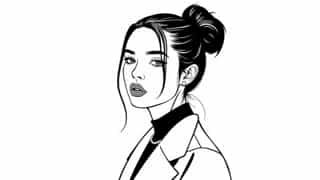
Billie Eilish’s Vogue cover appearance marked a pivotal moment in her public image and artistic evolution. Known for her signature oversized outfits and defiant stance against body shaming, the young artist surprised the world with a dramatically different look when she posed for British Vogue. The cover quickly became a viral sensation, drawing praise, criticism, and widespread discussion about femininity, personal expression, and transformation. As Billie stepped into a new era of fashion and self-empowerment, the Vogue shoot became more than just a photo spread it was a cultural event that redefined how pop stars, particularly young women, are allowed to express themselves.
The Shift in Aesthetic
Before the Vogue cover, Billie Eilish was widely recognized for her unconventional style baggy clothes, neon hair, and a clear rejection of traditional beauty standards. Her fashion choices were intentional, designed to shield her from the invasive objectification often placed on female celebrities. This image became an essential part of her identity, aligning with her music’s themes of vulnerability, rebellion, and authenticity.
So when Billie appeared on Vogue wearing corsets, fitted latex gloves, and old-Hollywood glamour makeup, the shift was shocking. But it was also entirely her decision. She embraced a hyper-feminine aesthetic not to fit in, but to reclaim ownership of her body and choices. Her transformation was not about seeking approval but asserting control.
Old Hollywood Inspiration
The Vogue shoot drew heavily from vintage fashion and the visual language of classic starlets. The lingerie-inspired corsets and sleek, structured silhouettes were reminiscent of Marilyn Monroe and Rita Hayworth, but reimagined with Billie’s own rebellious spirit. The dramatic blonde hair and sultry poses added to the retro glamor, symbolizing both a nod to the past and a bold step into her artistic future.
The Message Behind the Imagery
For Billie Eilish, the Vogue cover was not about selling sex it was about confronting perceptions. She addressed this directly in the accompanying interview, saying that empowerment should come from choice, not conformity. Whether she wears baggy hoodies or fitted corsets, the key is that the decision is hers.
Through this Vogue moment, Billie challenged the binary assumptions society often makes: that one cannot be both powerful and feminine, or modest and bold. By stepping into a new visual identity while staying true to her values, she showed that change can coexist with authenticity.
Empowerment Through Expression
- Billie emphasized body autonomy and the right to change personal style.
- She highlighted how perception and control play into self-worth and media portrayal.
- The shoot sparked global conversations about evolving identity in public spaces.
The Impact on Fans and Culture
The response to the Billie Eilish Vogue cover was swift and wide-reaching. Social media exploded with support, admiration, and thoughtful dialogue. For many fans, especially young women, it felt liberating to see someone so prominent reject the pressure to remain consistent for others’ comfort. Billie’s transformation gave permission to evolve, to contradict previous versions of oneself, and to do so unapologetically.
On the flip side, some critics accused her of abandoning the image that made her relatable. But Billie anticipated this. She acknowledged the double standards women face criticized for showing too much, and also for showing too little. The Vogue cover wasn’t about pleasing anyone it was about freedom.
Changing the Narrative
In the context of celebrity culture, where branding often demands consistency, Billie Eilish’s Vogue moment disrupted expectations. She demonstrated that identity is fluid and personal, and that fame doesn’t strip away the right to change.
She also challenged the media’s obsession with youth, purity, and presentation. Her shoot wasn’t just about fashion it was a visual essay on power, transformation, and choice. That message resonated with people who are navigating their own journeys of self-definition and autonomy.
Fashion as a Tool of Reinvention
Fashion has long been used by artists to signify evolution. From David Bowie to Madonna to Lady Gaga, wardrobe has served as a canvas for self-invention. Billie Eilish followed in that tradition, using her Vogue cover to signal a new chapter not just musically, but personally and visually.
The fitted corsets, latex, and vintage-inspired pieces were not merely costume. They were a deliberate choice to express newfound confidence, maturity, and complexity. Billie didn’t abandon her past; she built on it. She redefined what it means to grow publicly while still maintaining ownership of one’s story.
Styling Details from the Cover
- Color Palette: Soft pastels mixed with bold blacks for contrast
- Hair: Platinum blonde waves, evoking retro glam
- Accessories: Long gloves, layered pearls, and statement heels
- Silhouettes: Cinched waists, bustiers, and exaggerated shapes
Continuing Influence and Legacy
Since the Vogue cover was released, Billie Eilish has continued to evolve as both an artist and a fashion icon. Her red carpet appearances have shown a wider range of styles, mixing soft femininity with sharp tailoring. She’s demonstrated that no look defines her, and that unpredictability can be a form of power.
More importantly, her Vogue cover remains a benchmark for discussions about women in media, particularly around how they are seen and how they choose to present themselves. It’s a lasting reminder that beauty, empowerment, and control are not one-size-fits-all concepts.
Lessons from Billie’s Vogue Transformation
- Style is a tool for storytelling, not a fixed identity.
- Public perception should never outweigh personal agency.
- Empowerment looks different for everyone, and that’s okay.
Billie Eilish’s Vogue cover was not just a fashion statement it was a declaration of independence. In a world that demands certainty and consistency from its celebrities, she chose vulnerability, transformation, and autonomy. Through her bold aesthetic shift and unflinching honesty, Billie reminded us that true power lies in choice. Whether in music or fashion, her influence is rooted in authenticity, and the Vogue moment will remain a powerful example of what it means to take control of one’s narrative, even in the brightest spotlight.