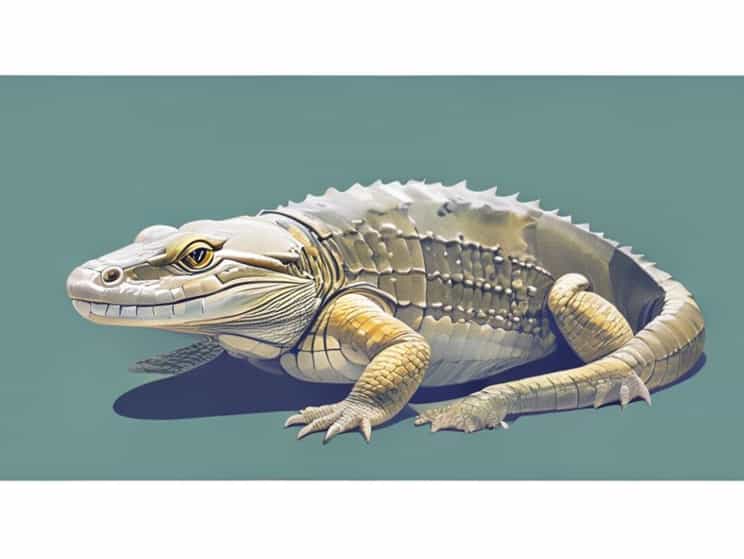
The animal kingdom is full of fascinating creatures, but few capture the imagination quite like the world’s largest reptiles. These incredible animals have existed for millions of years, surviving dramatic changes in climate and environment. Reptiles have evolved to become some of the most formidable predators and survivors on Earth, with sizes that astonish scientists and nature enthusiasts alike. Understanding the biggest reptile in the world involves exploring not only their physical dimensions but also their habitats, behaviors, and the challenges they face in the modern world. These creatures inspire awe and respect for the power and resilience of nature.
Crocodiles The Largest Living Reptiles
The largest reptiles alive today are the crocodiles, with the saltwater crocodile (Crocodylus porosus) holding the record for the greatest size. Saltwater crocodiles are found in Southeast Asia, Northern Australia, and some Pacific islands. Adult males can grow to astonishing lengths of up to 23 feet (7 meters) and weigh over 2,000 pounds (900 kilograms). Females are typically smaller, rarely exceeding 10 feet (3 meters). These apex predators are capable of taking down large prey, including water buffalo and even sharks in certain environments. Their combination of size, strength, and stealth makes them the ultimate reptiles of the modern world.
Physical Characteristics
Saltwater crocodiles have muscular bodies covered in thick, armored scales. Their powerful tails are essential for swimming and propelling their massive bodies through water, while their jaws are equipped with thousands of sharp teeth capable of exerting enormous bite force. The eyes and nostrils are positioned on the top of their heads, allowing them to see and breathe while mostly submerged. These adaptations have allowed them to dominate their aquatic habitats for millions of years.
Other Large Reptiles
While the saltwater crocodile is the largest living reptile, other species also boast impressive sizes. The Nile crocodile (Crocodylus niloticus) is native to Africa and can grow up to 20 feet (6 meters) long. The American alligator (Alligator mississippiensis) is another massive reptile, with males reaching lengths of around 13 feet (4 meters) and weights over 1,000 pounds (450 kilograms). Outside the crocodilian family, the Komodo dragon (Varanus komodoensis) is the largest living lizard, capable of reaching 10 feet (3 meters) in length and weighing up to 200 pounds (90 kilograms).
Marine Reptiles
Marine environments have historically been home to enormous reptiles, some of which are now extinct. For example, the mosasaurs were giant marine reptiles that could grow over 50 feet (15 meters) long, ruling the oceans during the late Cretaceous period. Similarly, extinct marine turtles like Archelon were massive, with shells measuring over 13 feet (4 meters) across. While modern reptiles have not reached such extreme sizes in the ocean, saltwater crocodiles and large sea turtles still demonstrate the remarkable adaptability of reptiles in aquatic ecosystems.
Habitats and Distribution
The biggest reptiles are distributed across tropical and subtropical regions. Saltwater crocodiles thrive in estuaries, rivers, and coastal areas, often venturing into the open sea. Nile crocodiles inhabit lakes, rivers, and wetlands across sub-Saharan Africa. American alligators are commonly found in freshwater wetlands, marshes, and rivers in the southeastern United States. Komodo dragons are native to Indonesian islands, including Komodo, Rinca, and Flores, where they dominate dry, rugged terrain. These habitats provide the food resources and environmental conditions necessary to support their enormous sizes.
Feeding Habits
The diet of these giant reptiles reflects their status as apex predators. Saltwater crocodiles and Nile crocodiles are opportunistic hunters, feeding on fish, birds, mammals, and occasionally humans. They are ambush predators, waiting silently for prey to approach before launching a sudden, explosive attack. American alligators mainly consume fish, amphibians, birds, and smaller mammals, but they can take down larger animals when the opportunity arises. Komodo dragons are scavengers and hunters, feeding on deer, pigs, and even smaller dragons, using venomous bites to immobilize prey.
Reproduction and Lifespan
Reproductive strategies among the world’s largest reptiles vary, but most share a pattern of laying eggs and guarding nests. Saltwater crocodiles and Nile crocodiles construct nests of vegetation or sand, with females fiercely protecting their young. Hatchlings are vulnerable to predation, which makes parental protection critical for survival. These reptiles can live for several decades, with saltwater crocodiles reaching 70 years or more under ideal conditions. Longevity allows them to grow to their massive sizes over time, maintaining their position as top predators.
Conservation Status
Despite their fearsome reputation, many of the largest reptiles face threats from human activity. Habitat destruction, poaching for skins, and conflicts with humans have endangered several species. Saltwater crocodiles, while still relatively abundant, are protected in many regions to prevent overhunting. Nile crocodiles and American alligators have seen populations recover due to conservation efforts, but they remain vulnerable to habitat loss. Komodo dragons are classified as vulnerable, with limited distribution making them highly susceptible to environmental changes and human encroachment.
Record-Breaking Reptiles
- Largest Saltwater CrocodileLolong, measured at 20.24 feet (6.17 meters) and weighed 2,370 pounds (1,075 kg).
- Largest Nile CrocodileGustave, estimated at over 20 feet (6 meters).
- Largest Komodo DragonAround 10 feet (3 meters) and 366 pounds (166 kg).
These records highlight the exceptional sizes reptiles can achieve, demonstrating the diversity and adaptability of the reptilian lineage.
The biggest reptile in the world is unquestionably the saltwater crocodile, a living testament to the power and resilience of nature. These reptiles, along with other large species like Nile crocodiles, American alligators, and Komodo dragons, showcase the diversity and adaptability of reptiles across various habitats. Their physical characteristics, hunting strategies, and evolutionary history provide insight into why reptiles have survived and thrived for millions of years. Conserving these magnificent creatures is crucial to maintaining ecological balance and ensuring that future generations can continue to marvel at the largest reptiles on Earth.