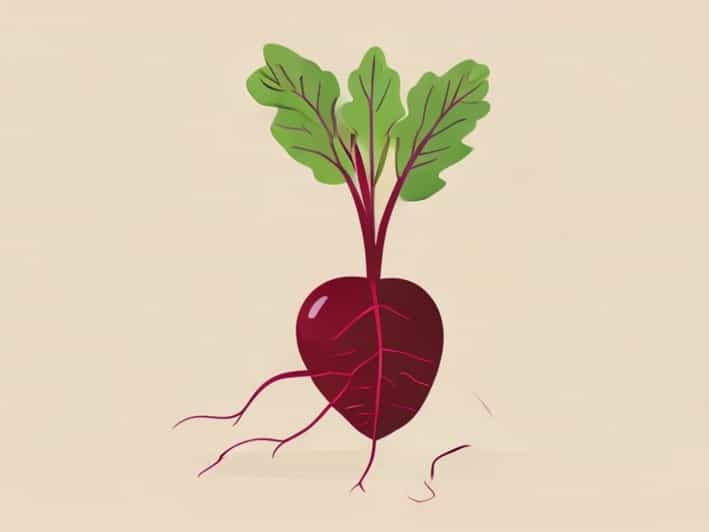
Beets with large roots cultivated as stockfeed, commonly known as fodder beets, play an important role in livestock farming around the world. Unlike the sugar beet or table beet, fodder beets are specifically grown to provide nutritious feed for cattle, sheep, and other farm animals. Their large, energy-rich roots and high digestibility make them a valuable supplement, especially during winter months or periods when fresh pasture is limited. Understanding the cultivation, nutritional benefits, and practical uses of these beets is essential for farmers looking to optimize livestock productivity and maintain healthy animals throughout the year.
Introduction to Fodder Beets
Fodder beets are a type of root crop developed for animal consumption rather than human use. These beets are bred for size, yield, and nutritional content rather than sweetness or flavor. The roots can grow exceptionally large, sometimes exceeding several kilograms each, providing a dense source of energy and nutrients. Farmers typically cultivate them in fields alongside other forage crops or rotate them with cereals and legumes to maintain soil fertility and maximize farm output. Their versatility and high caloric content make them a preferred choice in intensive livestock systems.
Nutritional Value of Fodder Beets
One of the main reasons farmers grow beets with large roots as stockfeed is their impressive nutritional profile. Fodder beets are rich in carbohydrates, mainly in the form of sugars and starches, which provide animals with the energy necessary for growth, milk production, and general maintenance. They also contain vitamins and minerals essential for livestock health, including potassium, calcium, and magnesium. The leafy tops, which can be grazed or cut for feed, add additional protein and fiber to the diet, further enhancing their value as a feed crop.
Key Nutritional Benefits
- High energy content for fattening and milk production
- Good source of essential minerals like potassium and calcium
- Leaves provide fiber and protein for balanced nutrition
- Low in anti-nutritional compounds compared to some other root crops
- Helps reduce reliance on stored feeds such as hay or silage
The combination of root and leaf nutrients allows fodder beets to be a complete supplement, especially in mixed feeding systems. This balance ensures animals receive both energy and protein without the need for multiple feed types.
Cultivation Practices
Growing beets with large roots for stockfeed requires careful attention to soil preparation, sowing, and crop management. These crops thrive in deep, fertile, and well-drained soils with adequate moisture. They are typically planted in spring after the last frost, allowing a long growing season for roots to develop fully. Proper spacing is important to ensure that each plant has enough room to produce large, healthy roots. Additionally, nutrient management, including the application of nitrogen, phosphorus, and potassium, is crucial for maximizing yield and maintaining root quality.
Steps in Cultivation
- Choose deep, fertile, well-drained soil
- Prepare the field by plowing and leveling
- Sow seeds with sufficient spacing to allow large root growth
- Apply fertilizers based on soil tests for balanced nutrition
- Control weeds and monitor for pests during the growing season
- Harvest when roots reach optimum size, usually in late summer or early autumn
Farmers also pay attention to rotational cropping, planting fodder beets after cereals or legumes to improve soil structure and reduce disease pressure. Crop rotation ensures sustainable production and minimizes the risk of soil nutrient depletion.
Harvesting and Storage
Fodder beets can be harvested either manually or mechanically, depending on the scale of the farm. The roots are carefully lifted to avoid damage, as bruised roots can spoil quickly. After harvesting, the beets may be fed directly to livestock in the field or stored for later use. Proper storage involves keeping the roots in cool, well-ventilated conditions to prevent rot. In some cases, beets are chopped or ensiled with other feed components to create a balanced, long-lasting feedstock for winter feeding.
Harvesting Tips
- Harvest when roots are mature and have reached maximum size
- Handle roots gently to avoid bruising or breaking
- Store in cool, ventilated conditions to prolong shelf life
- Consider ensiling with silage crops for mixed feed
- Provide roots in moderation to prevent digestive issues in livestock
Harvest timing is critical, as delayed harvest can lead to reduced sugar content and root quality. Early harvesting may result in smaller roots and lower energy value, so balancing maturity with seasonal timing is important for maximizing feed value.
Feeding Practices
When using fodder beets as stockfeed, farmers typically slice or chop the roots to facilitate consumption and prevent choking. The roots can be fed raw, boiled, or mixed with silage, depending on livestock preference and farm management practices. Gradual introduction into the diet is recommended, as sudden large quantities can cause digestive disturbances. Leaves can be grazed or harvested alongside roots for a complete feed solution.
Best Practices for Feeding
- Introduce roots gradually to prevent digestive upset
- Chop or slice roots for easier consumption
- Feed with supplementary forage to balance fiber intake
- Monitor animal health and adjust quantities as needed
- Use both roots and leaves to maximize nutritional benefits
By following careful feeding strategies, livestock can gain energy efficiently, improve growth rates, and maintain overall health, demonstrating why beets with large roots remain a popular stockfeed choice in many farming systems.
Advantages of Fodder Beets
Cultivating beets with large roots as stockfeed offers multiple benefits to farmers and livestock. They provide a high-energy, nutrient-rich feed that reduces dependence on purchased concentrates, improve animal growth and milk production, and allow flexibility in feeding regimes. Additionally, they can enhance soil fertility through rotational cropping and help manage feed costs by producing large volumes per hectare. Their dual use-roots and leaves-adds further value as a versatile and reliable feed source.
- High yield per hectare for cost-effective feed
- Energy-dense roots support growth and production
- Leaves provide protein and fiber for balanced nutrition
- Flexible feeding options for different livestock systems
- Supports sustainable farm management through crop rotation
Beets with large roots cultivated as stockfeed are a vital component of modern livestock farming, offering both high energy and nutritional benefits. Proper cultivation, harvest, and feeding practices ensure maximum productivity and animal health. From their large, nutrient-rich roots to their leafy tops, these beets provide a complete, versatile, and efficient feed solution for farmers seeking sustainable and cost-effective livestock management. Understanding the role and benefits of fodder beets allows farmers to optimize their feeding strategies, support animal growth and production, and maintain a reliable source of nutrition throughout the year.