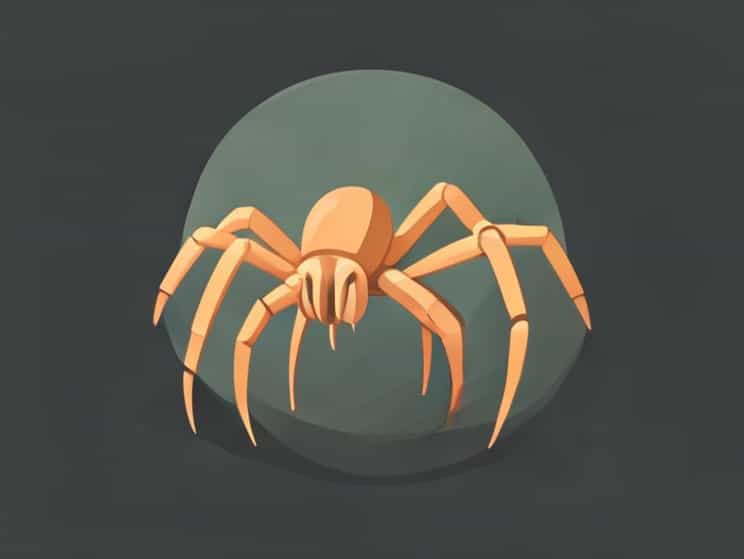
The term Baby Granddaddy Long Legs” may sound playful, but it refers to a fascinating group of arachnids that are often misunderstood in both household and natural contexts. Known for their extremely long, slender legs and small body size, these creatures belong to the order Opiliones, which is distinct from true spiders. Despite common misconceptions, baby granddaddy long legs are harmless to humans and play a vital role in maintaining ecological balance. Observing them can provide insight into arachnid behavior, pest control benefits, and the unique adaptations that allow them to thrive in various environments.
Taxonomy and Classification
Granddaddy long legs, including the “baby” variants, are classified within the order Opiliones. Unlike true spiders (order Araneae), they have a fused body segment that gives them a rounded appearance, and they lack venom glands and silk-producing organs. Their classification helps distinguish them from cellar spiders and other long-legged arachnids, clarifying misconceptions about their danger or toxicity. Studying their taxonomy highlights the diversity of arachnid species and the evolutionary adaptations that contribute to their unique morphology.
Suborders and Families
- Suborder Eupnoi Typically includes long-legged species common in gardens and homes.
- Family Phalangiidae Known for their elongated legs and predatory feeding habits.
- Suborder Dyspnoi Includes species that tend to inhabit leaf litter and forest floors.
- Family Sclerosomatidae One of the largest families of Opiliones, often found in temperate regions.
Physical Characteristics
Baby granddaddy long legs are characterized by a small, rounded body measuring only a few millimeters in length. Their most notable feature is their disproportionately long legs, which can extend several times the length of their body. These legs are highly sensitive and allow the arachnid to detect vibrations, navigate complex surfaces, and escape predators. Despite their delicate appearance, these creatures are remarkably resilient and have adapted to a variety of habitats, from damp basements to garden beds.
Leg Structure and Function
- Extremely long and slender, providing enhanced mobility and balance.
- Each leg contains sensory hairs that detect environmental changes and prey movement.
- Used for climbing, grasping, and defensive strategies, including detachment to escape threats.
Body Features
- Small, fused body segments that protect internal organs.
- Lack of venom glands, distinguishing them from harmful spiders.
- Adaptations for scavenging, allowing them to feed on small insects, fungi, and detritus.
Habitat and Distribution
Baby granddaddy long legs are highly adaptable and can be found in diverse environments worldwide. They prefer dark, humid locations where they can hide from predators and find food easily. Common habitats include leaf litter, under rocks, garden mulch, basements, and sheds. Their ability to thrive in both urban and rural settings demonstrates their ecological versatility and importance in controlling pest populations.
Common Habitats
- Gardens and yards with abundant leaf litter and plant debris.
- Basements, crawl spaces, and storage areas with minimal light.
- Under stones, logs, and fallen branches in forested regions.
- Near compost piles or damp areas that attract insects and organic matter.
Geographical Distribution
- Found on every continent except Antarctica.
- Common in temperate and subtropical regions.
- Adapted to microhabitats within urban and rural landscapes.
Behavior and Feeding
Baby granddaddy long legs are primarily nocturnal, emerging at night to search for food while avoiding predators. They are opportunistic feeders, consuming small insects, plant material, and decaying organic matter. Unlike spiders, they do not spin webs or use venom to immobilize prey, relying instead on stealth and speed. Observing their feeding habits can reveal interesting aspects of arachnid behavior and the ecological roles they play in decomposing organic matter and controlling insect populations.
Nocturnal Activity
- Active mostly during nighttime hours.
- Use long legs to explore surfaces and detect vibrations.
- Retreat to sheltered areas during the day to avoid predators and dehydration.
Feeding Habits
- Consume small insects, mites, and other arthropods.
- Scavenge for decaying plant and animal matter.
- Play a role in nutrient cycling within their habitats.
Reproduction and Lifespan
Baby granddaddy long legs reproduce sexually, with females laying eggs in protected environments such as soil, leaf litter, or under stones. The eggs hatch into juveniles that resemble adults but are smaller and often have shorter legs. Growth occurs through successive molts, and they reach maturity within several months to a year, depending on environmental conditions. Lifespan varies by species but typically ranges from one to two years, allowing them to reproduce and sustain their populations effectively.
Reproductive Behavior
- Engage in courtship behaviors involving leg tapping and chemical signaling.
- Females lay clusters of eggs in secure, moist locations.
- Eggs develop over a few weeks before hatching into juvenile arachnids.
Juvenile Development
- Undergo multiple molts to reach adult size.
- Legs elongate as the body grows, resulting in the characteristic long-legged appearance.
- Young granddaddy long legs learn to forage and avoid predators through instinct and environmental cues.
Ecological Importance
Baby granddaddy long legs are important components of the ecosystem, contributing to insect population control and organic matter decomposition. By feeding on small insects and detritus, they reduce the prevalence of garden pests and facilitate nutrient recycling in soils. Their presence is also an indicator of environmental health, as they thrive in areas with balanced moisture levels and minimal chemical contamination. Understanding their ecological role highlights the importance of preserving habitats that support these and other arachnid species.
Pest Control
- Feed on small insects and mites that could harm plants.
- Help maintain natural balance in gardens and agricultural areas.
- Reduce the need for chemical pesticides when present in sufficient numbers.
Decomposition and Soil Health
- Consume decaying organic matter, aiding nutrient cycling.
- Contribute to soil fertility by breaking down leaf litter and plant debris.
- Support other organisms in the food web, including predators and scavengers.
Misconceptions and Safety
Despite popular myths, baby granddaddy long legs are not venomous and pose no threat to humans. They are harmless and should not be feared or exterminated unnecessarily. Misidentification often leads to confusion with cellar spiders, which have different habits and abilities. Educating the public about their harmless nature and ecological benefits promotes coexistence and responsible management of household and garden arachnids.
Common Myths
- They are venomous – in reality, they lack venom glands.
- They can bite humans – their small mouthparts prevent any harmful bite.
- They are pests – they primarily feed on other insects and decaying matter.
Promoting Coexistence
- Leave them undisturbed in gardens and outdoor areas.
- Provide shelter in natural microhabitats to encourage their beneficial presence.
- Avoid using broad-spectrum pesticides that could harm them and disrupt local ecosystems.
Baby granddaddy long legs are intriguing and beneficial arachnids that deserve recognition for their ecological contributions. Their distinctive long legs, nocturnal behaviors, and harmless nature make them unique among arachnids. By understanding their taxonomy, habits, and environmental importance, gardeners and nature enthusiasts can appreciate their role in controlling pests and decomposing organic matter. Promoting coexistence with these harmless creatures supports biodiversity and a healthier, more balanced ecosystem in gardens, homes, and natural habitats.