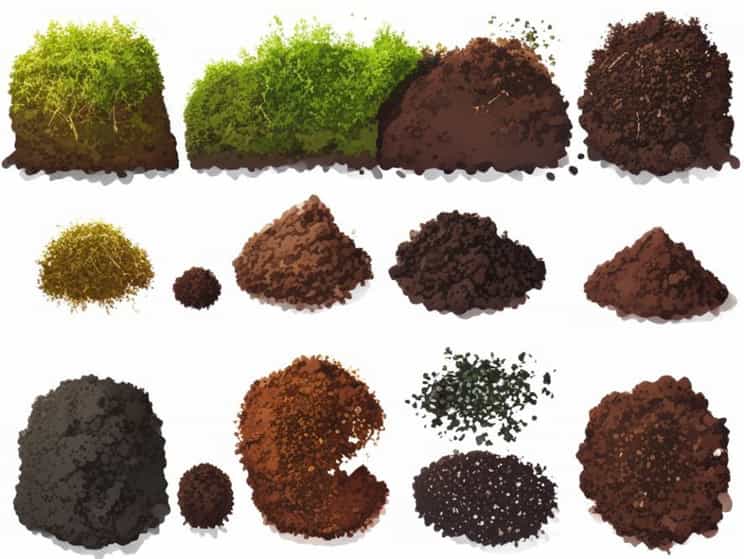
Atlas peat and soil represent critical components in understanding global ecosystems, land management, and agricultural productivity. Peat soils, often found in wetlands, bogs, and marshes, are unique due to their high organic matter content and water retention properties. Mapping these soils through an atlas provides valuable insights for researchers, environmentalists, farmers, and policymakers. An atlas of peat and soil serves as a comprehensive reference tool, helping to analyze soil distribution, composition, fertility, and potential land use. Understanding atlas peat and soil is essential for sustainable land management, carbon sequestration strategies, and ecological conservation initiatives worldwide.
What is Peat and Peat Soil?
Peat is an accumulation of partially decomposed organic matter, primarily from plant material, in water-saturated environments. Peat soils are typically acidic, rich in carbon, and highly porous, making them distinct from mineral soils. They develop over thousands of years in conditions where slow decomposition occurs due to low oxygen levels and high moisture content. Peat soils are found in various regions, including northern Europe, North America, Southeast Asia, and parts of South America. These soils are vital for ecosystems as they support unique flora and fauna and act as carbon sinks, playing a significant role in regulating the Earth’s climate.
Characteristics of Peat Soil
- High organic matter content that contributes to soil fertility in certain applications.
- Excellent water retention capacity, making them ideal for wetland ecosystems.
- Acidic nature with low nutrient availability for some crops.
- Slow decomposition rate due to anaerobic conditions.
- Dark brown to black color indicating accumulated organic material.
Importance of an Atlas for Peat and Soil
An atlas of peat and soil is a detailed collection of maps and data that illustrates the spatial distribution, composition, and properties of soils across different regions. Such an atlas is crucial for understanding soil resources, planning agricultural practices, and managing natural habitats. It helps identify areas suitable for peat extraction, conservation, or agriculture, while also providing data for climate change studies. By referencing an atlas, researchers can evaluate soil health, predict changes due to human activity, and develop strategies to preserve sensitive ecosystems.
Applications in Agriculture and Land Management
Peat and soil atlases provide farmers and land managers with essential information about soil types, fertility levels, and suitability for various crops. For example, areas with peat soils may require specific irrigation and fertilization strategies due to their water retention and nutrient characteristics. Understanding soil distribution enables better crop selection, efficient land use, and prevention of soil degradation. Furthermore, the atlas can guide reforestation, afforestation, and wetland restoration projects by identifying suitable locations for planting and ecosystem rehabilitation.
Environmental Significance of Peat Soils
Peat soils play a critical role in maintaining ecological balance and mitigating climate change. These soils store large amounts of carbon, which helps reduce greenhouse gas concentrations in the atmosphere. Draining or disturbing peatlands can release significant amounts of carbon dioxide, contributing to global warming. Therefore, mapping peatlands through an atlas helps environmentalists identify areas that require protection and implement strategies to maintain their carbon storage capabilities. Additionally, peat soils support diverse ecosystems, providing habitats for specialized plant and animal species that are often rare or endangered.
Role in Carbon Sequestration
Peatlands are among the most effective natural carbon sinks on the planet. By accumulating organic material over millennia, they capture carbon from the atmosphere and store it in the soil. Protecting peatlands is essential for long-term climate stabilization. An atlas highlighting peat distribution allows scientists and policymakers to prioritize conservation efforts, monitor carbon stocks, and plan restoration projects in degraded peatlands. Understanding atlas peat and soil data is thus central to global climate change mitigation strategies.
Atlas Peat and Soil in Research and Policy
Researchers utilize peat and soil atlases for scientific studies, environmental assessments, and land-use planning. These atlases provide detailed information on soil composition, hydrology, vegetation, and ecological functions. Policymakers rely on this data to implement sustainable land management practices, zoning regulations, and environmental protection laws. The atlas serves as a bridge between scientific knowledge and practical application, enabling informed decisions regarding agriculture, forestry, urban planning, and conservation.
Technological Advances in Soil Mapping
Modern atlases of peat and soil increasingly integrate technology such as geographic information systems (GIS), remote sensing, and satellite imagery. These tools allow for accurate mapping, real-time monitoring, and predictive modeling of soil conditions. By combining field data with technological analysis, the atlas becomes a dynamic resource for scientists, farmers, and environmental managers. This integration enhances the understanding of soil distribution, peatland health, and potential risks from land-use changes or climate variations.
Challenges in Peatland and Soil Management
Despite their importance, peatlands face numerous threats, including deforestation, drainage, agricultural conversion, and climate change. Overexploitation of peat for fuel or horticulture can lead to soil degradation, biodiversity loss, and carbon emissions. Land managers and policymakers must balance development needs with environmental protection. An atlas of peat and soil helps in identifying vulnerable areas, assessing environmental risks, and implementing sustainable management strategies. Proper monitoring and informed decisions are essential to preserve the ecological and economic value of peat soils.
Conservation Strategies
- Protection of intact peatlands through legal frameworks and designated reserves.
- Restoration of degraded peatlands by rewetting, reforestation, and controlled land use.
- Promotion of sustainable peat use in horticulture and energy production.
- Public awareness campaigns highlighting the ecological significance of peat and soil.
Global Significance of Atlas Peat and Soil
Globally, peatlands cover large regions in countries such as Canada, Russia, Indonesia, and Finland. They provide essential ecosystem services, including water regulation, habitat provision, and carbon storage. An atlas documenting peat and soil distribution at national and international levels is indispensable for global environmental research, climate policy formulation, and sustainable land management initiatives. Sharing this data among countries and institutions promotes collaboration, informed decision-making, and effective conservation measures worldwide.
Educational and Academic Applications
Atlases of peat and soil are valuable educational tools for students, researchers, and environmental professionals. They facilitate the study of soil science, ecology, and environmental management, providing real-world data for analysis and interpretation. By studying these atlases, learners can understand soil characteristics, land-use potential, and ecosystem dynamics. This knowledge helps train the next generation of environmental scientists, policymakers, and conservationists, emphasizing the importance of protecting and managing soil resources responsibly.
Atlas peat and soil provide a comprehensive understanding of soil distribution, characteristics, and ecological importance. Peat soils, with their high organic content and water retention capacity, are critical for maintaining biodiversity, regulating climate, and supporting sustainable land use. Mapping these soils through an atlas aids in research, environmental conservation, agricultural planning, and policy development. Challenges such as degradation, deforestation, and climate impacts highlight the need for careful management and conservation strategies. By leveraging atlas data, scientists, policymakers, and communities can make informed decisions to protect peatlands, promote sustainable land use, and maintain ecological balance, ensuring a healthier planet for future generations.