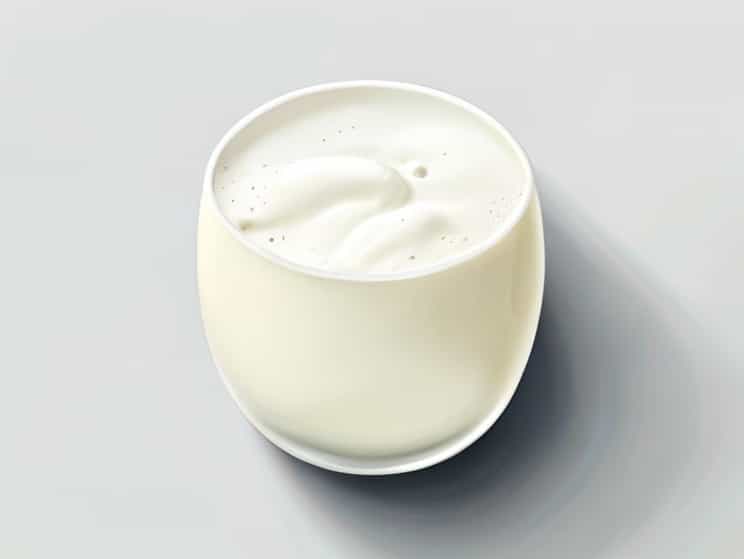
For coffee lovers, the quality of milk and froth often makes the difference between an average cup and a café-style experience. In recent years, many people have been curious about Aspley Milk and Froth, especially when it comes to achieving creamy textures and smooth foam for lattes, cappuccinos, or flat whites. This combination of milk choice and frothing technique plays a huge role in enhancing flavor, consistency, and presentation. Whether you are a home barista or simply someone who enjoys a perfectly balanced coffee, learning about Aspley Milk and Froth can help you elevate your coffee ritual.
Understanding the Role of Milk in Coffee
Milk is more than just an add-on to coffee. It changes the texture, sweetness, and overall drinking experience. The proteins and fats in milk are what allow it to create froth when steamed. Choosing the right type of milk whether whole milk, skim, or plant-based affects how the froth forms and how long it lasts. In the context of Aspley Milk and Froth, both the quality of milk and the steaming technique are crucial.
Why Milk Quality Matters
Fresh, high-quality milk gives a natural sweetness that pairs beautifully with the bitterness of coffee. Whole milk tends to create a richer, creamier froth, while skim milk produces a lighter foam with larger bubbles. Alternative milks such as oat, soy, and almond are also popular, but each reacts differently under steam, making the frothing process slightly more challenging.
What Makes Froth Special?
Froth is created when milk is aerated with steam, forming microbubbles that give coffee a velvety texture. The froth should not feel too airy or too flat; instead, it should be smooth and silky, blending seamlessly into the coffee. The perfect froth enhances aroma, adds visual appeal, and creates the creamy mouthfeel that coffee lovers crave.
Characteristics of Good Froth
- Smooth, velvety texture without large bubbles
- Stable foam that holds shape for several minutes
- Sweetness that complements espresso without overpowering it
- Ability to pour latte art designs with precision
The Science Behind Aspley Milk and Froth
When milk is heated and frothed, proteins like casein and whey stabilize the air bubbles, while fats add richness. The ideal frothing temperature is between 60°C and 70°C (140°F to 158°F). Too cold, and the milk will not froth properly; too hot, and it risks scalding, which destroys sweetness and smoothness. Aspley Milk and Froth discussions often focus on mastering this balance for the perfect coffee experience.
Temperature Control
Maintaining the right temperature is essential. Overheated milk not only loses sweetness but also develops an unpleasant burnt taste. A milk thermometer can be useful, but many baristas also learn to judge by touch, stopping steaming when the jug feels too hot to hold comfortably.
Techniques for Frothing Milk
While the type of milk matters, the technique of frothing is equally important. Even the freshest milk can turn into disappointing froth if steamed incorrectly. Aspley Milk and Froth enthusiasts often recommend practicing regularly to achieve consistency.
Steps for Perfect Froth
- Start with cold, fresh milk to allow more time for aeration.
- Fill the milk jug to about one-third full to give room for expansion.
- Position the steam wand just below the surface of the milk to introduce air.
- Gradually lower the jug to maintain aeration while heating evenly.
- Stop steaming once the milk reaches the right temperature and has doubled in volume.
- Swirl the jug to break down any large bubbles and create a silky microfoam.
Different Types of Froth for Coffee Drinks
Not all froth is created equal. Depending on the type of coffee you want to make, the amount and texture of froth vary. Understanding these differences helps in crafting drinks like cappuccinos, lattes, and flat whites with precision.
Cappuccino
Cappuccinos require thick, airy froth that sits on top of espresso in a well-defined layer. The foam should be stable and able to hold a sprinkle of cocoa powder if desired.
Latte
Lattes use more milk and less froth, focusing on smooth, creamy texture. The froth should be silky, allowing for latte art designs like hearts or rosettas.
Flat White
Flat whites feature microfoam with a thin layer of froth, blending seamlessly with espresso to create a rich, full-bodied taste without excessive foam.
Plant-Based Alternatives in Aspley Milk and Froth
Plant-based milks are increasingly popular, but they behave differently when steamed. Oat milk is known for creating froth closest to dairy milk, making it a favorite for latte art. Soy milk froths well but may curdle if the coffee is too acidic. Almond milk creates lighter froth, while coconut milk adds a unique flavor but is more difficult to stabilize. Many brands now offer barista blends specifically designed for frothing.
Common Problems and Solutions
Even experienced baristas encounter challenges when working with milk and froth. Identifying common issues and how to fix them can make the learning process smoother.
Large Bubbles
This usually happens when too much air is introduced at the beginning. Solution Keep the steam wand just below the surface and adjust angle for better aeration.
Milk Not Frothing
Older milk or overheated milk may not froth properly. Always use fresh milk and stop steaming before it gets too hot.
Foam Separating
When froth and liquid milk do not integrate, it results in a weak texture. Swirling the jug and tapping it on the counter helps reintegrate the foam.
Aspley Milk and Froth in Everyday Coffee Culture
In many coffee communities, including those in suburban areas like Aspley, milk and froth are central to the coffee culture. Local cafés pride themselves on serving lattes and cappuccinos with perfectly textured milk, while home brewers experiment with frothing at home using steam wands, handheld frothers, or even electric milk frothers.
Why Froth Enhances Coffee Experience
Milk froth does more than just look good on top of a cup. It enhances the aroma, balances bitterness, and creates a luxurious mouthfeel. The creamy layer acts as a cushion for the espresso, making each sip smoother and more enjoyable. For many, mastering froth turns a simple cup of coffee into a daily indulgence.
Aspley Milk and Froth represent the harmony between quality ingredients and proper technique. From choosing the right milk to mastering steaming methods, every detail affects the final coffee experience. Whether you prefer a cappuccino with thick foam, a latte with silky froth, or a flat white with smooth microfoam, understanding milk and froth is essential. By practicing consistently and experimenting with different types of milk, anyone can enjoy café-quality coffee at home, turning an everyday beverage into a moment of pure enjoyment.
Ultimately, milk and froth are not just additions to coffee; they are central elements that shape its flavor, texture, and appeal. With the right approach, Aspley Milk and Froth can transform a basic espresso into something extraordinary, making your coffee moments truly memorable.